


Cannes 2026 curtains to close today: Who will take top prize?
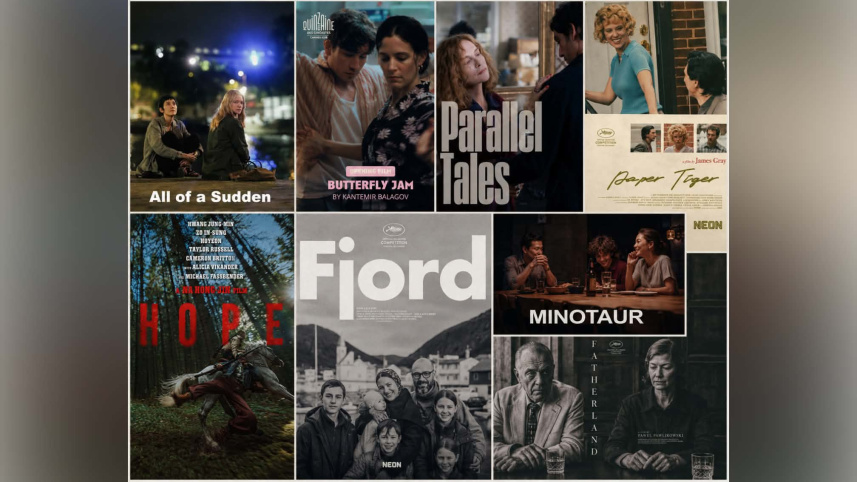
Every year, the Cannes Film Festival produces a familiar ritual: applause counts, standing ovations, critics’ scorecards, market predictions, and endless debate over who will leave the Croisette with cinema’s most coveted prize — the Palme d’Or.
And every year, Cannes reminds audiences that predicting the winner is nearly impossible.

This year’s 79th edition has unfolded with a noticeably auteur-driven line-up, bringing together some of contemporary cinema’s most celebrated directors while placing less emphasis on Hollywood premieres and more attention on bold international storytelling. Out of more than 2,500 submissions, only 22 films entered the main competition, making this one of the year’s most competitive races.
With the awards ceremony approaching, several titles have emerged as serious contenders. At the same time, a number of heavily anticipated films that arrived carrying major expectations now appear to have slipped out of serious Palme d’Or contention.
If there is one title that has steadily built momentum across reviews and industry conversations, it is “Fatherland”, directed by Paweł Pawlikowski.
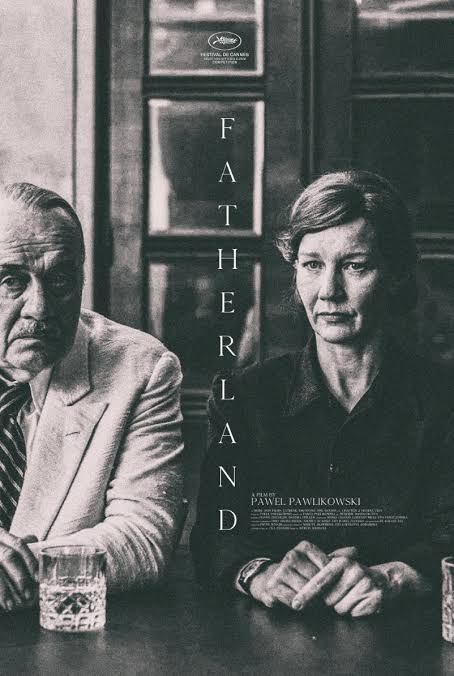
Set in 1949, the German-language drama follows exiled writer Thomas Mann returning to post-war Germany after years away, accompanied by his daughter Erika. What begins as a physical journey becomes a confrontation with memory, identity and the pressure of competing political ideologies attempting to claim cultural figures for their own narratives.
Critics have praised the film for achieving emotional weight within a relatively restrained 80-minute runtime. Reviewers have repeatedly highlighted its precision, visual control and intellectual depth — qualities that historically resonate strongly with Cannes juries.
Awards forecasting has increasingly shifted toward “Fatherland”, with many critics placing it among the most likely Palme d’Or winners heading into the festival’s closing days.
Another title consistently appearing near the top of predictions is “All of a Sudden” from Japanese director Ryûsuke Hamaguchi.
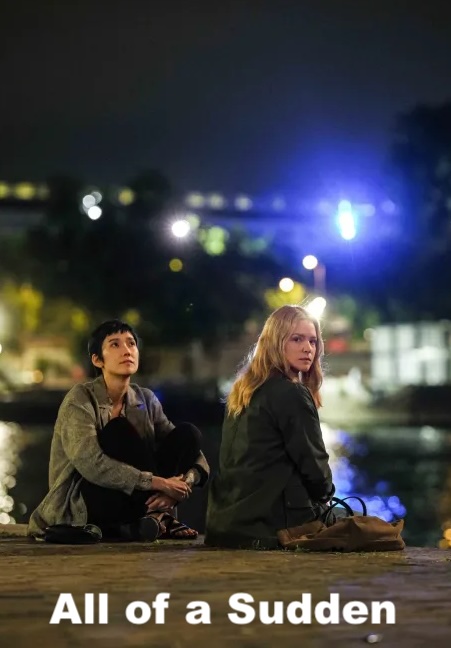
Following the international breakthrough of “Drive My Car”, expectations for Hamaguchi’s next project were unusually high. Rather than expanding in scale, he returned with a patient and deeply human drama centred on caregiving, ageing and emotional connection. The story follows a nursing home director attempting to introduce a more humane philosophy of care while forming an unexpected bond with a terminally ill playwright.
Festival reactions suggest the film’s emotional restraint has become one of its greatest strengths. Critics have described it as expansive without becoming overstated and reflective without feeling distant.
Its reception has been particularly notable because Cannes juries often reward films that combine emotional intimacy with broader social concerns — territory Hamaguchi has become known for exploring.
Few films have generated as much discussion as “Minotaur”, directed by Andrey Zvyagintsev.
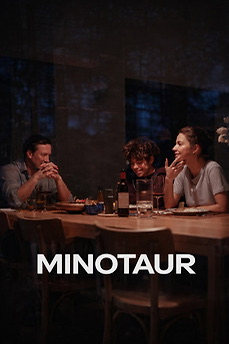
The filmmaker’s return to Cannes marks a major moment after years away from feature filmmaking. Set in contemporary Russia against the backdrop of war and social pressure, the film follows a business executive whose personal life begins collapsing as he faces demands tied to military mobilisation.
Critics have described the film as one of Zvyagintsev’s most politically direct works to date while still operating through intimate family drama rather than overt political commentary.
Historically, Cannes has often rewarded films that combine strong artistic identity with urgent political themes, making “Minotaur” one of the strongest challengers in the race.
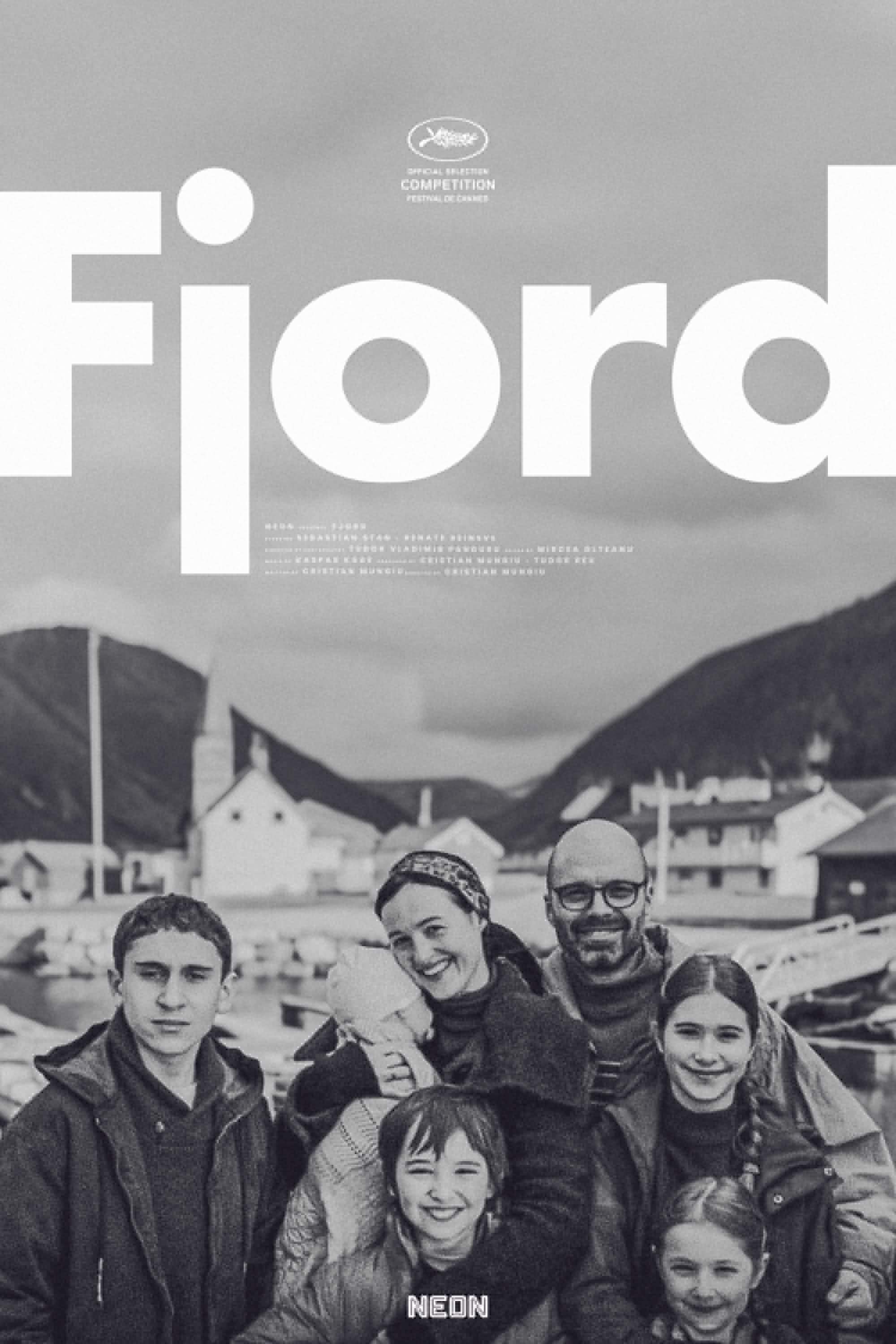
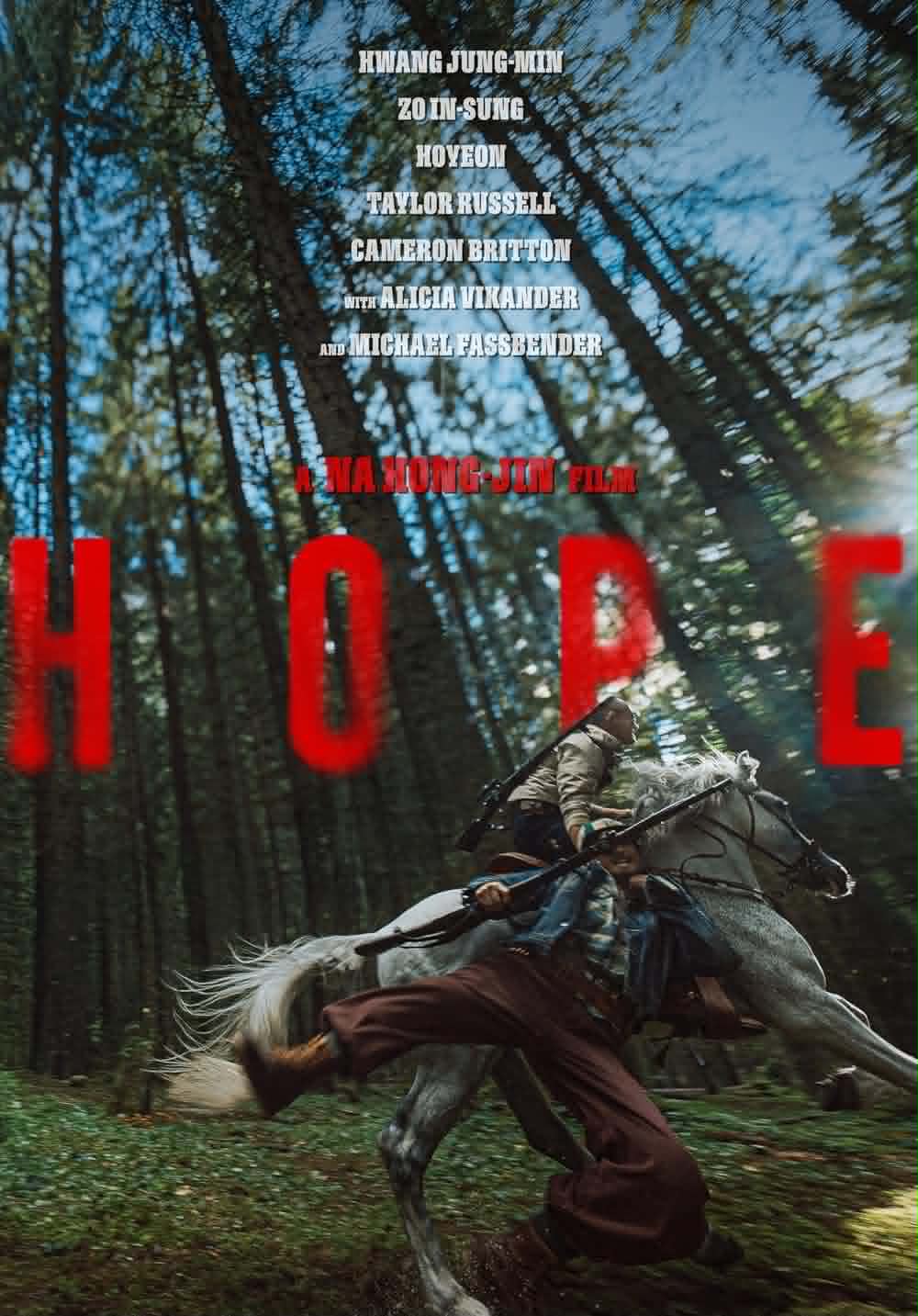
Beyond the frontrunners, several other films remain in the wider conversation. “Fjord” by Cristian Mungiu has attracted attention for its exploration of cultural tensions and social institutions, while “Hope” from Na Hong-jin continues to appear in prediction discussions despite divided reactions.
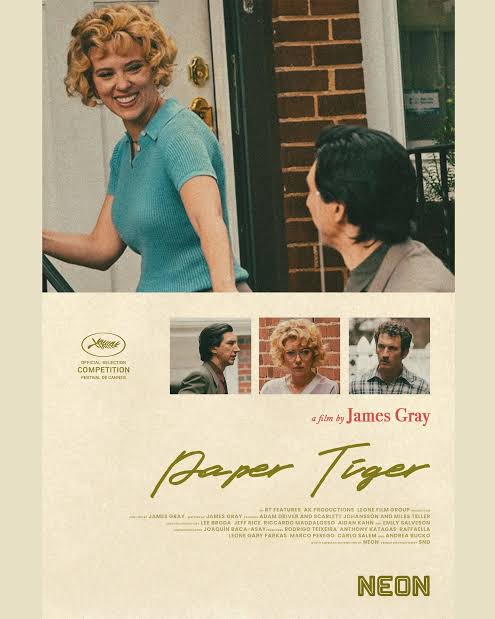
Meanwhile, “Bitter Christmas” by Pedro Almodóvar and “Paper Tiger” from James Gray remain wildcard possibilities due to the stature of their directors and Cannes’ long history of unexpected jury decisions.

Cannes history is filled with examples of heavily anticipated premieres that failed to convert expectation into momentum. This year has been no exception.
Before the festival began, “Parallel Tales” was positioned as one of the more prestigious competition selections and generated considerable anticipation among festival watchers.
 For all latest news, follow The Daily Star's Google News channel.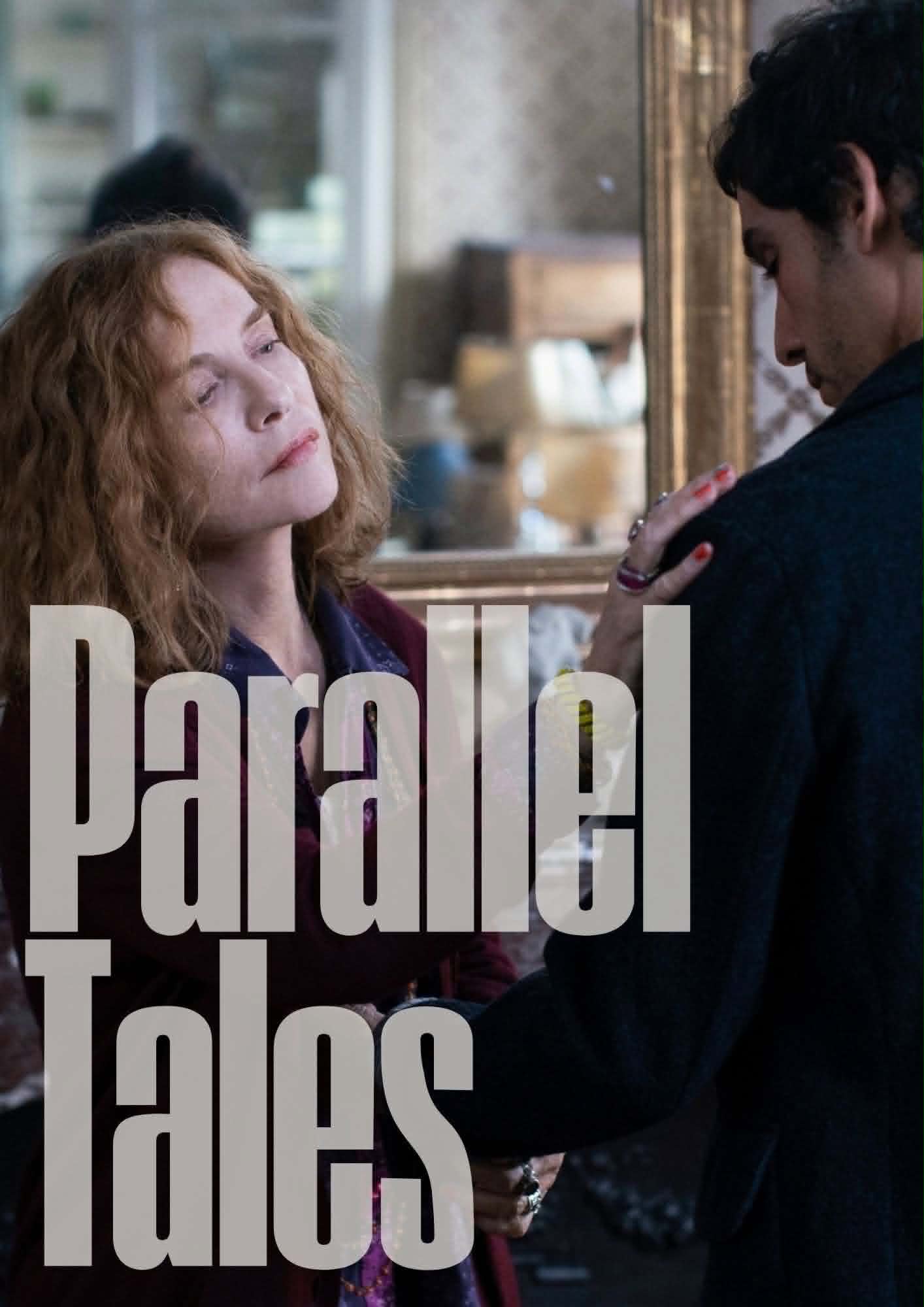
But once reviews began appearing, the response turned sharply mixed. Critics reportedly found the film emotionally distant and structurally uneven, making it one of the most divisive entries in competition. In a festival where enthusiasm often matters more than respectability, “Parallel Tales” quickly lost awards momentum.
Directed by Marie Kreutzer and featuring a cast led by Léa Seydoux and Catherine Deneuve, “Gentle Monster” entered Cannes with significant expectations.
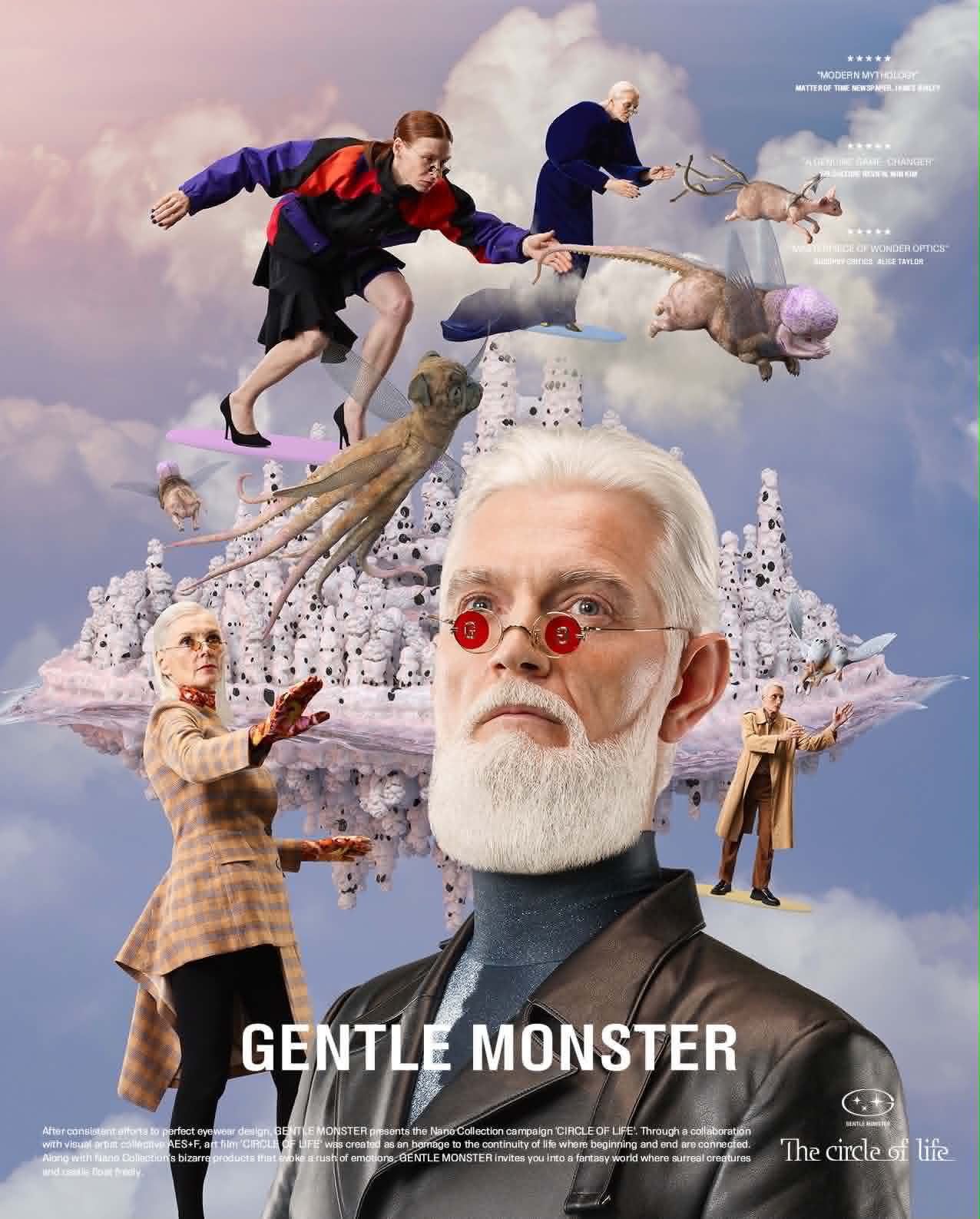
Its themes of emotional labour, burnout and family relationships sounded promising on paper, but discussion surrounding the premiere proved noticeably softer than expected. Early reactions suggested the execution never fully matched the ambition of the premise, and predictions have since moved elsewhere.
Few competition titles arrived with as much curiosity as “Butterfly Jam” from Kantemir Balagov.
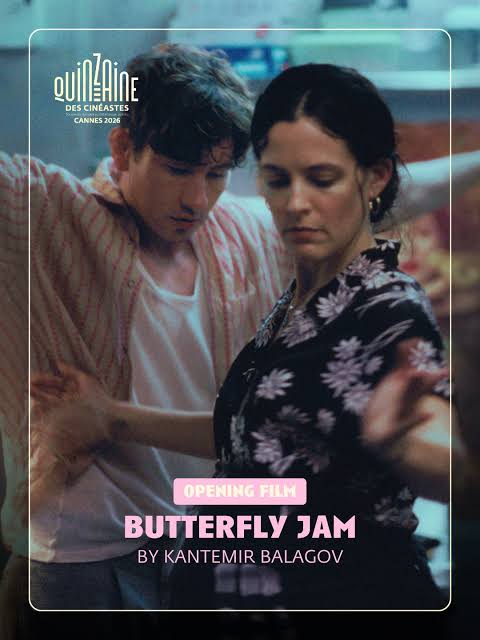
Balagov’s earlier work had established him as one of contemporary cinema’s most exciting voices, making expectations especially high. Instead, the film became one of the festival’s more surprising disappointments, with criticism focused on narrative unevenness and emotional distance. What initially looked like a serious awards possibility now appears largely absent from Palme forecasts.
Nicolas Winding Refn’s “Her Private Hell” was among the festival’s most talked-about premieres before audiences even entered the theatre.
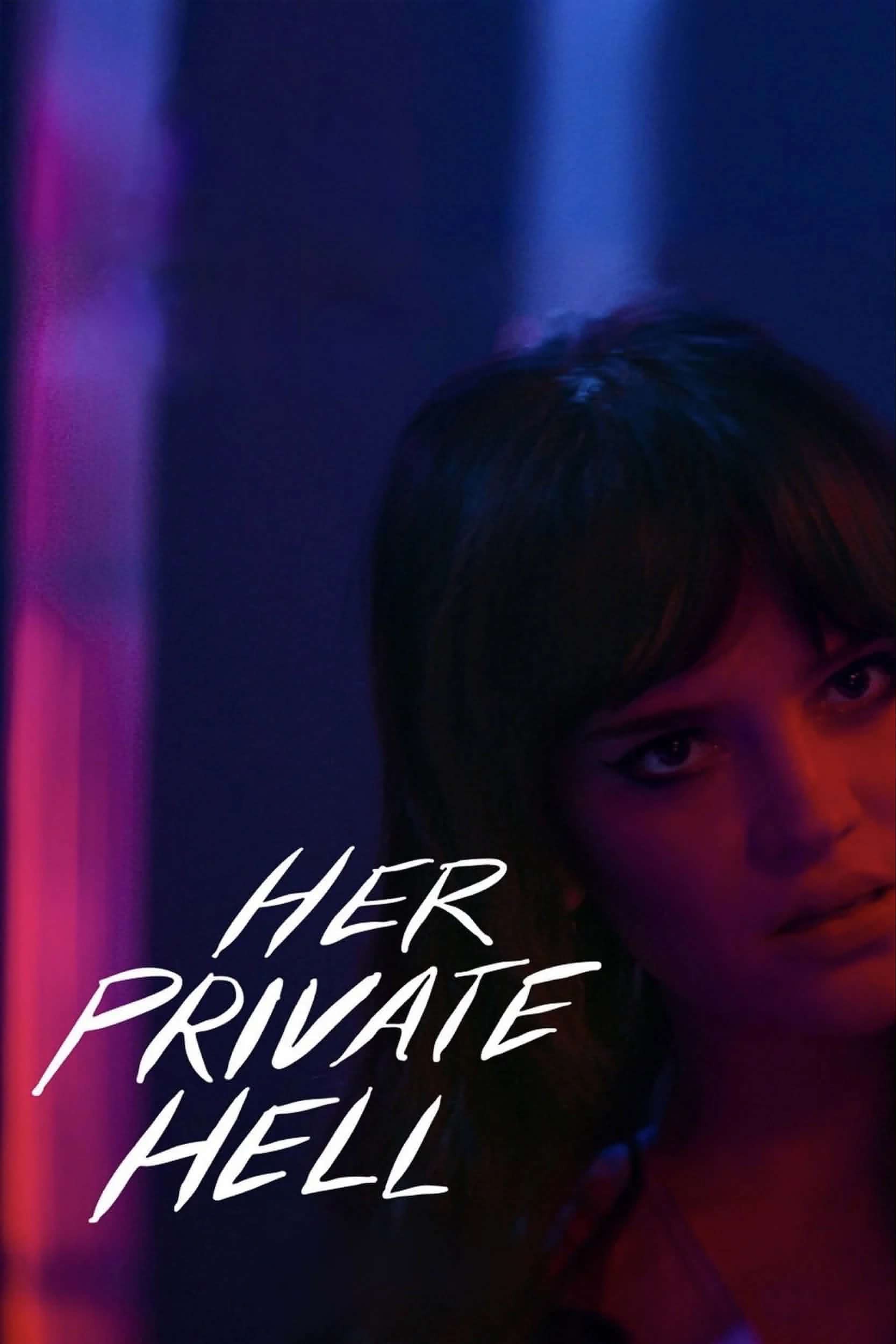
Known for visually bold and polarising filmmaking, Refn delivered another highly stylised work. But unlike some of his earlier Cannes successes, this one struggled to generate broad critical enthusiasm. Reviews frequently acknowledged its visual ambition while questioning its emotional impact — making it increasingly difficult to imagine as a consensus jury winner.
What makes Cannes 2026 especially difficult to predict is the absence of a single runaway favourite. Instead, the competition appears split between intimate human dramas, politically charged stories and formally ambitious auteur cinema.
If critics alone decided the outcome, “Fatherland” and “All of a Sudden” may currently hold the edge.
But Cannes has always rewarded surprise as much as acclaim — and until the final envelope is opened, the race remains wide open.
Comments