


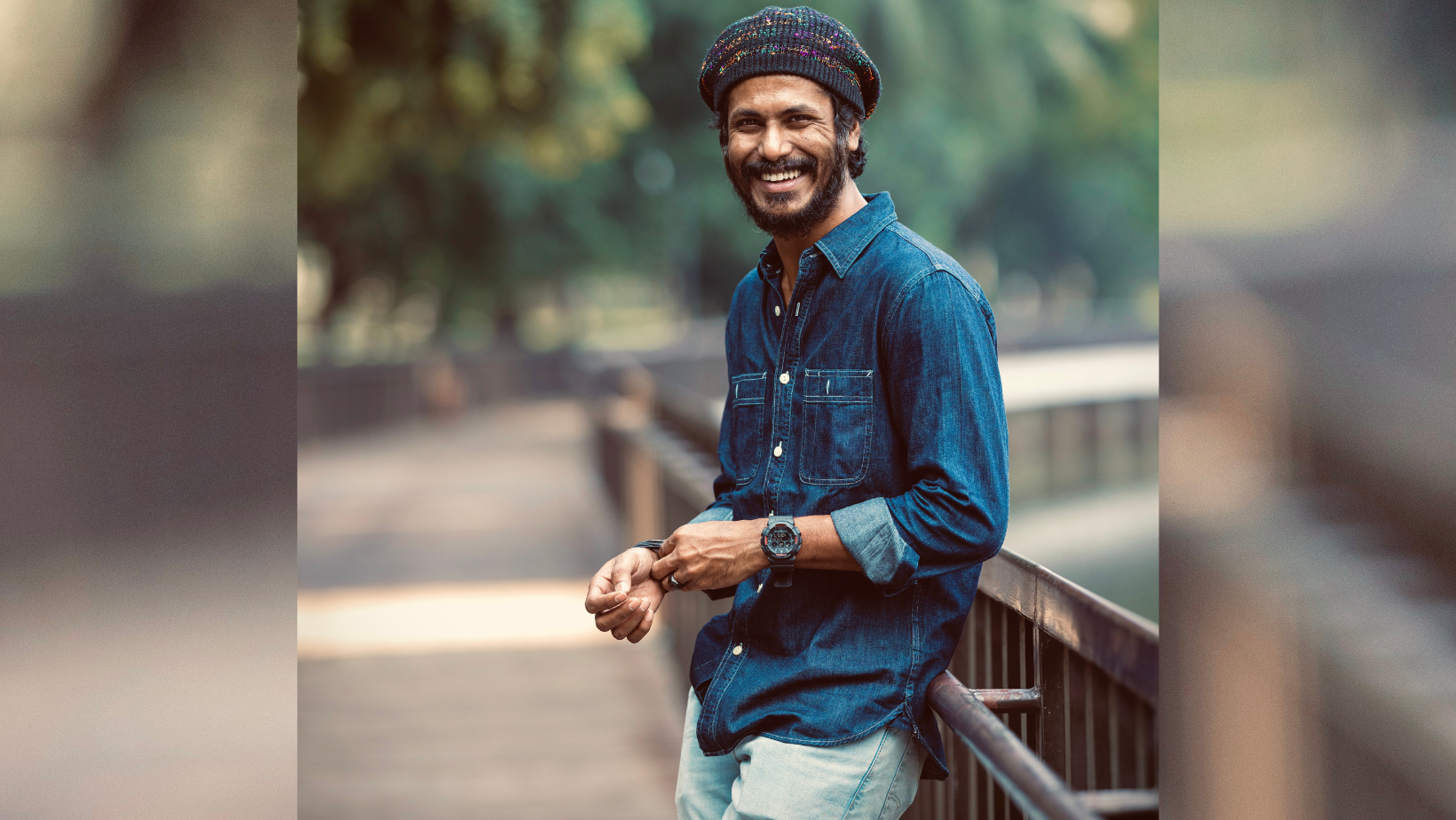
Won’t be typecast, won’t be set aside: Shohel Mondol

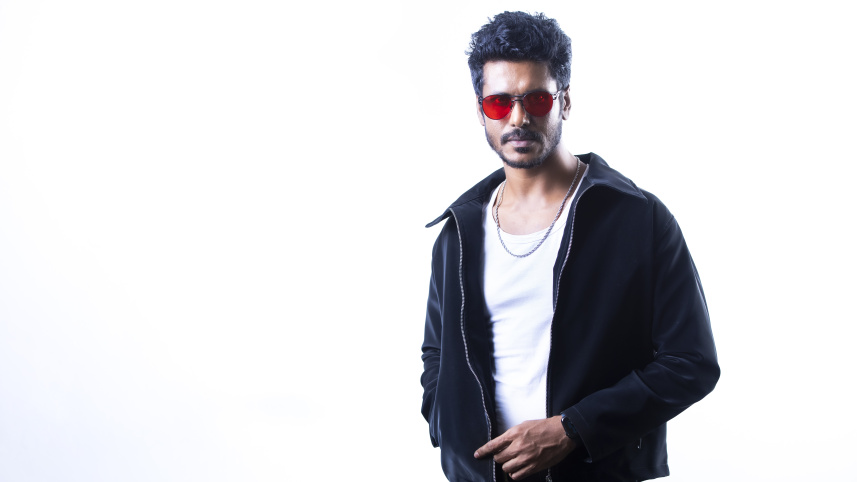
There’s a certain spontaneity to Shohel Mondol’s journey, one that mirrors the very characters he gravitates towards. Unconventional, layered, and often quietly transformative, his rise in the industry has been anything but fixed. From making his presence felt through OTT platforms to commanding attention on the big screen with a complex antagonist role as Shayan in “Rakkhosh”, Shohel is steadily redefining himself with each project.
He recalls that the journey to playing the character was anything but straightforward. Initially approached by director Mehedi Hassan Hridoy through mutual acquaintances, he was sent the script but found himself unconvinced. “At that stage, I couldn’t quite grasp where my character was heading,” he admits. It was only after a detailed sit-down with the director that things began to shift. Hridoy walked him through the entire narrative—scene by scene, emotion by emotion—painting a vivid picture of his vision. “Hearing it from him directly made all the difference,” he says. “That’s when I was convinced.”
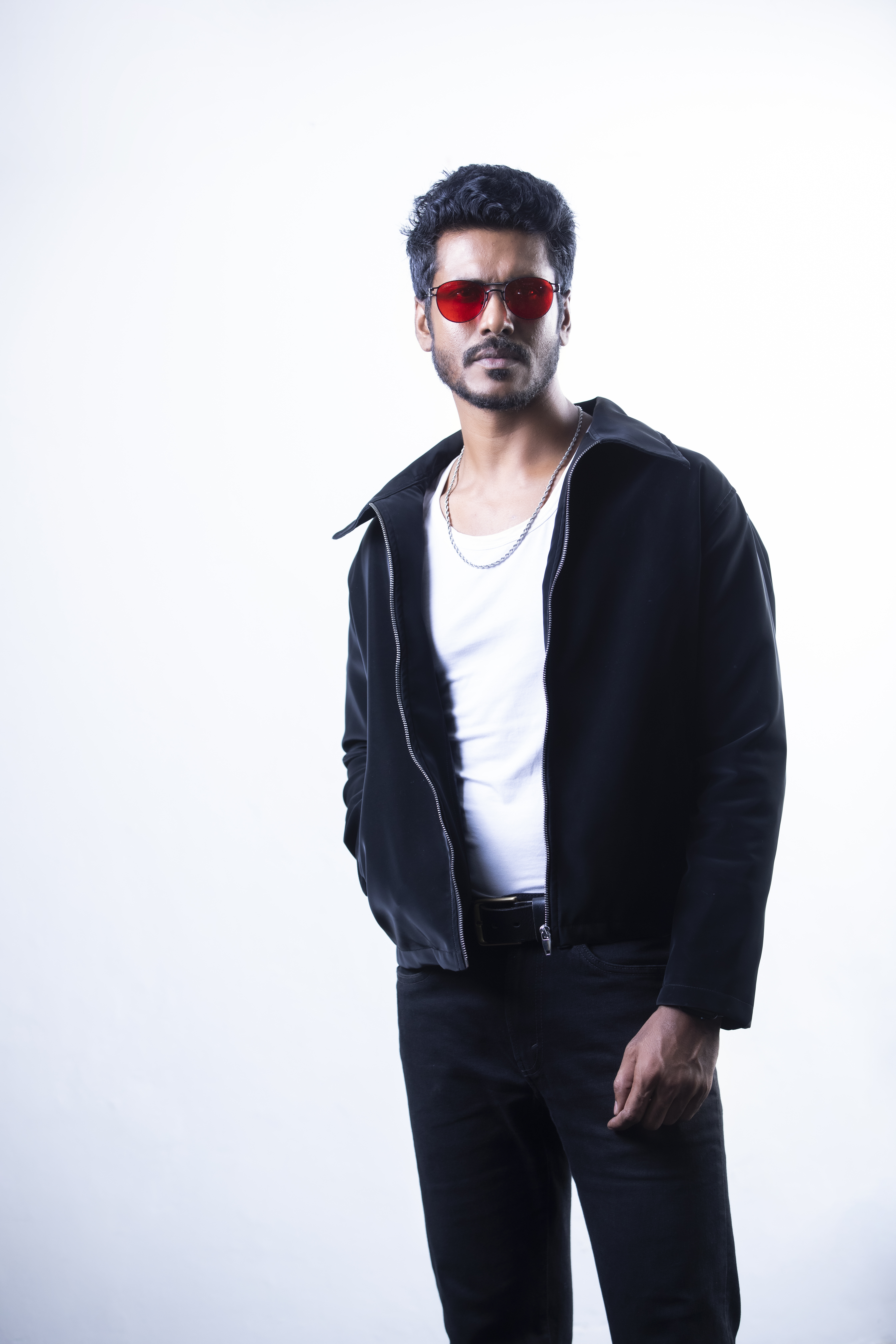
Trust, he emphasises, became the foundation of the process. “I was familiar with Hridoy’s craftsmanship and previous work, so I had faith in him that both his experience and ambition to execute the story on a larger scale would work well.” That confidence only deepened once filming began. “I could see that he would extract exactly what he wanted. From day one, there was a sense of trust, and I just went with the flow,” he explains.
The real surprise came after the release. Audiences responded with overwhelming enthusiasm—cheering at his very first screen appearance. “We carefully planned it,” he reveals. His presence had been deliberately concealed in promotional material, barely hinted at in the trailer, allowing viewers to discover him organically in theatres. “People didn’t know I was in the film. That reveal became an experience in itself,” he says.
Reflecting on why the character resonated so strongly, Shohel believes its power lies in its narrative function. “This character is the catalyst. Without him, the story wouldn’t move forward. He creates the circumstances that ultimately transform the protagonist into a ‘monster’. In a way, if he didn’t exist, neither would that transformation.”
Speaking about his collaborations with Siam, he points out a crucial difference between their projects. In “Taan”, the antagonist reacted to the protagonist’s actions. “This time, the antagonist drives the story. He provokes the protagonist into action—that’s the real difference,” he explains.

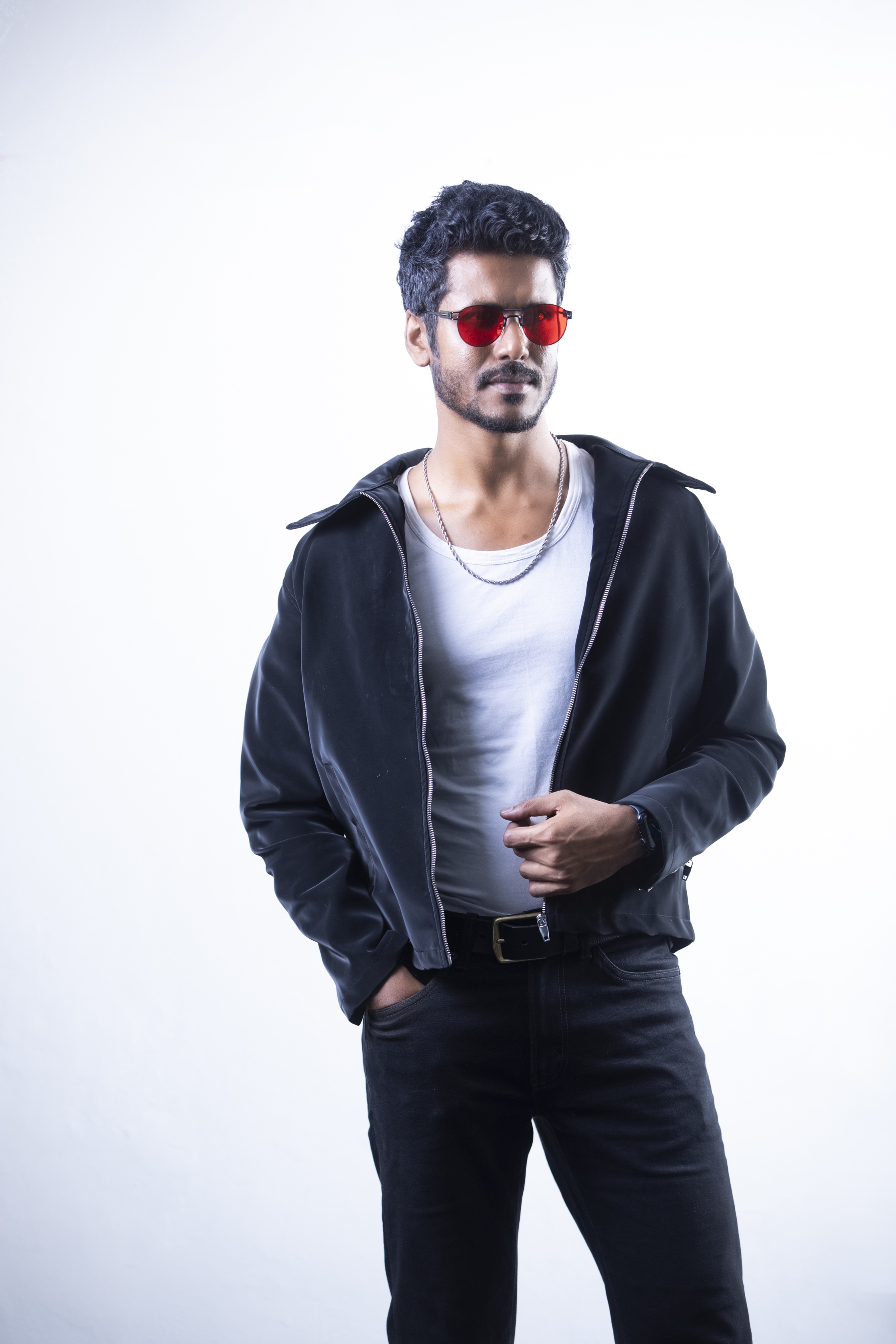
If the big screen has recently amplified his presence, OTT platforms were where his foundation was built. Shohel speaks candidly about this phase of his career. “In many ways, my journey stands on OTT,” he reflects. “It’s through these platforms that I’ve been able to reach audiences as Shohel Mondol.” For many actors in Bangladesh, OTT has been more than just an alternative—it has been a breakthrough space.
Looking back, he traces the momentum to early landmark projects, including works by “14 August”, “Taqdeer”, “Kaiser”, “Mohanagar”, and “Karagar” and “Gulmohor”. “It was an era that allowed creators to explore narratives more freely. The ripple effect became increasingly visible through 2022 and 2023, with high-quality productions by the platforms like Binge, Chorki, Hoichoi, Bongo, along with newer entrants such as iScreen and Deepto Play, fuelled a healthy competition, each striving to outdo the other in quality.
However, the momentum has not been without its challenges. Shohel points to a recent slowdown, shaped by the lingering effects of the Covid pandemic and uncertainties in market strategies. “There’s been a kind of stagnation,” he admits, adding that platforms are still navigating questions of sustainability and planning.
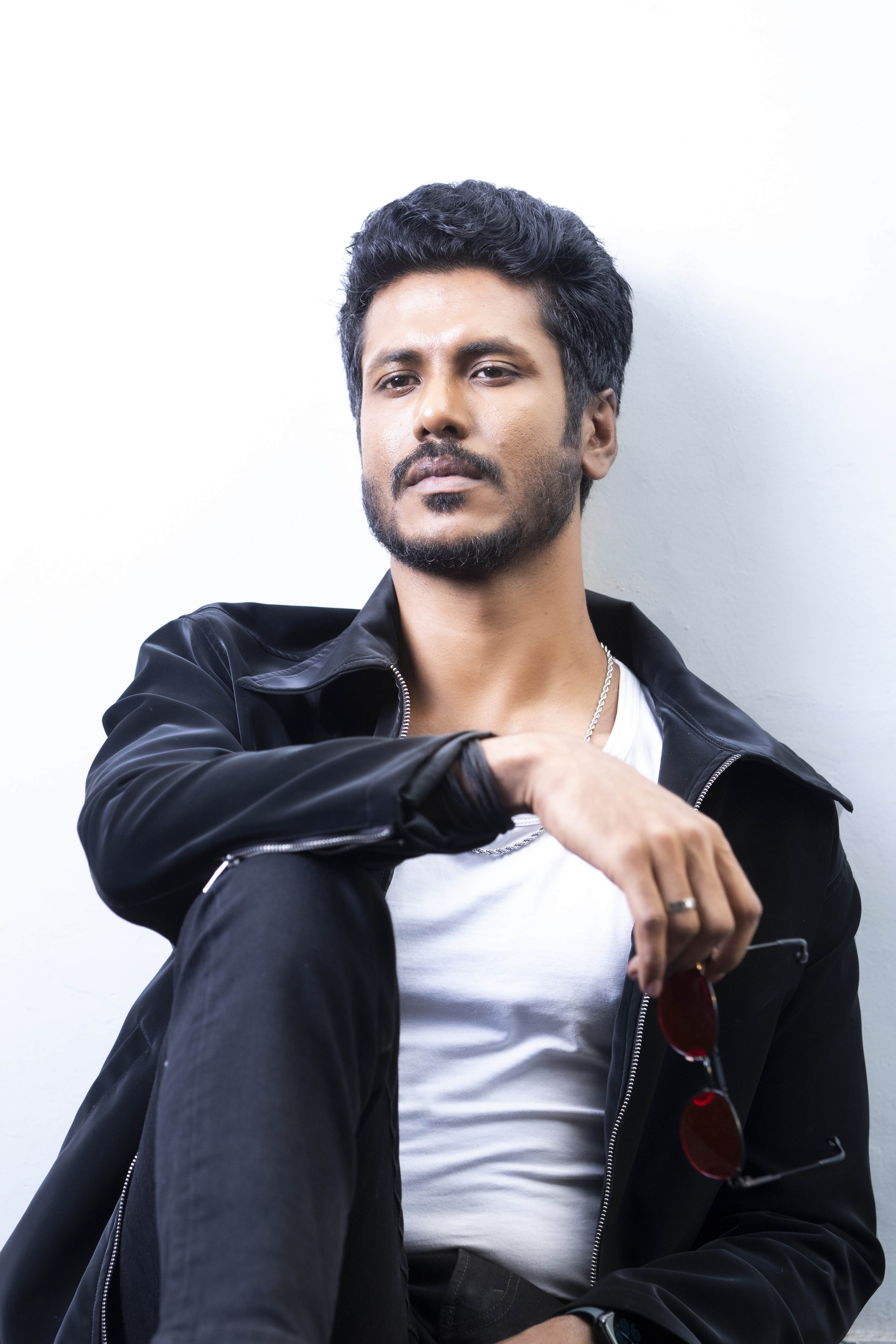
He is equally convinced that OTT has emboldened filmmakers to think bigger. “Because of OTT, creators now have the confidence to attempt larger-scale projects,” he says. This cultural shift—one that television had long struggled to establish despite decades of effort—has clarified what audiences truly respond to.
With growing recognition, however, comes a different kind of challenge—the risk of being typecast. Following his recent success, audiences are eager to see him return as an antagonist, drawing inevitable comparisons to industry stalwart Misha Sawdagor, whose name has long been synonymous with villainy in Bangladeshi cinema.
Shohel acknowledges the expectation but remains measured. “For me, it always comes down to the story,” he says. He has no interest in repeating himself unless the character genuinely serves the narrative in a meaningful way. “I don’t want to do another “Musafir” or “Rakkhosh”-type role just for the sake of it.”
Instead, he is driven by a desire to explore. “My journey will be my own,” he reflects. Open to diverse roles and collaborations, he remains committed to pushing his boundaries as an actor. That commitment is also evident in his on-screen dynamics.
Looking ahead, Shohel is preparing to surprise audiences once again with “Bonolota Sen”, set for release this Eid-ul-Azha. Directed by Masud Hasan Ujjal, the film marks a significant departure from his recent roles. Rather than a conventional narrative, it unfolds as a poetic journey inspired by the life and philosophy of celebrated poet Jibanananda Das.
“It’s not a literal biopic,” Shohel clarifies. “It’s more like walking through his poetry.” The film blends elements of the poet’s work with cinematic storytelling, creating an immersive big-screen experience. Featuring Khairul Basar, Masuma Rahman Nabila, Rupanty Akid, and Priyontee Urbee alongside Shohel, the project aims to offer something distinctly artistic.
“For audiences who truly love cinema, this will be a different kind of experience,” he says. “And for those who want to rediscover Jibanananda through another artiste’s perspective, it will be something special.”
He also opens up about a passion project he is backing as a creative producer—his first in that role. Describing it as a low-budget yet deeply personal film, he shares that it is directed by Al Mukitul Bari and features performances from Shirin Shila, Afsana Mimi, and Shilpi Sarkar Apu, among others.
“We’ve completed the shoot, and post-production is currently underway,” he says. Initially envisioned with a theatrical release in mind, the team is now leaning towards an OTT platform, though a final decision is yet to be made.
“At its core, it’s a film about an artiste’s journey,” he explains, expressing quiet confidence in the project. “Despite the limited budget, we’ve tried to create something meaningful. Now it’s about finding the right space where it can reach its audience.”
 For all latest news, follow The Daily Star's Google News channel.
Comments