


From The Red Jumpsuit Apparatus to The Jonas Brothers: Nadeem collabs internationally

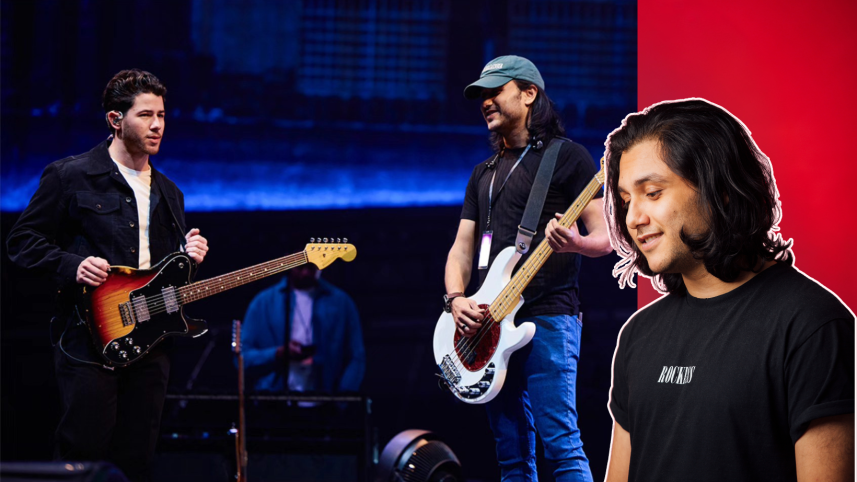
Nadeem A Salam still remembers the first time he stood on stage with The Red Jumpsuit Apparatus—not as a manager, but as a performer. He had already spent years behind the scenes—moving gear, fixing schedules, dealing with travel delays, keeping tours running—but standing there felt different.
“I’ve done everything for the band off-stage for years,” he said. “Being able to perform with them now, it’s a full-circle experience. And when they called my name— ‘Here’s to Nadeem from Bangladesh’—that moment stayed. I always wanted to see Bengalis on stage with international acts. I didn’t think I would be one of them.”

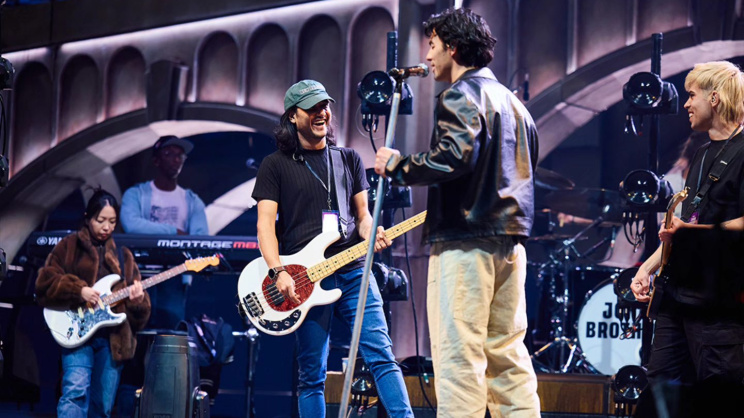
That sense of disbelief has returned in different forms over the years, including moments that still feel unreal to him. Talking about being on the same stage with the Jonas Brothers, he pauses at the memory of how it unfolded.
“That means that me—am I dreaming? Is this real?” he says. “And actually, we didn’t believe it because when do you ever get a DM on Instagram from the Jonas Brothers? It was one of those surreal moments in my life.”
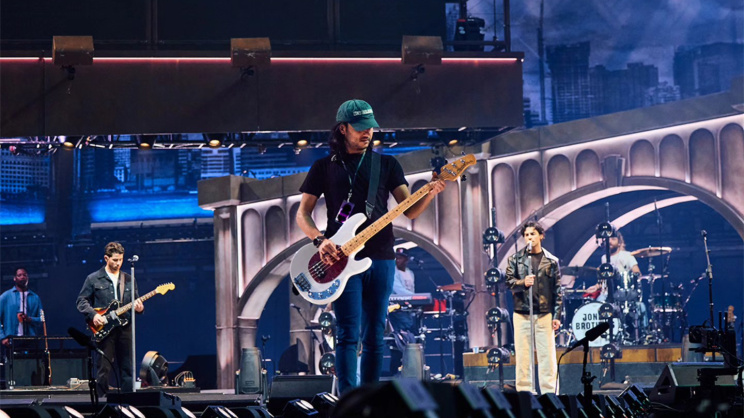
He adds that what struck him most was not just the scale of the act, but what it represented in hindsight. “Sometimes I forget I’m very lucky to be part of this band, and they have a legacy that has gone on for years,” he says. “And sometimes I forget I’m now part of that legacy that has had such a tremendous effect on the music scene, even inspiring artists like the Jonas Brothers themselves.”
He recalls the scale of the collaboration casually, almost as an aside. “They’ve had over 50, 60, maybe 70 musical guests over time. I think I was the only one from Asia on stage, from Bangladesh especially,” he says. “Even just talking with Nick and Priyanka, they were like, ‘Oh, you’re from Bangladesh? We’re from India.’ And it felt like a small moment, but also exciting—we’re bridging that gap. And I’m just grateful I’m part of it.”
Music, he recalls, was always present in a quiet, unstructured way. His father would play Pink Floyd on guitar at home, sometimes just to help him fall asleep. “That was it. No lessons. Just my father playing. That’s one of the most honest memories I carry.”
By his teens, he had picked up the guitar himself, mostly through YouTube. Formal schooling, though, didn’t last. “I dropped out. It wasn’t simple at home. My parents were not happy—they wanted something stable. I didn’t really have a strong argument. I just knew I wasn’t going to do anything else properly if I didn’t try this. It wasn’t a heroic decision—it was probably a desperate one.”
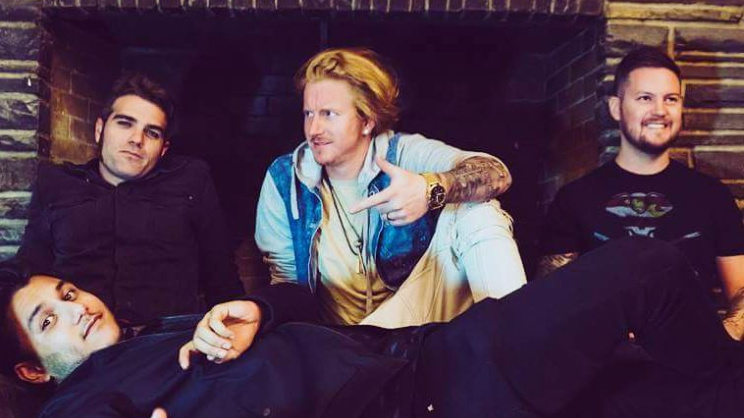
He started playing in small bands in Dhaka, but the pull was always outward. At 17, he began reaching out to international bands directly, sending cold emails that mostly went unanswered.
“I just kept writing with no strategy. I kept emailing them, telling them I’d do my best if they gave me a chance. It was sheer luck that The Red Jumpsuit Apparatus did,” he says, with a brief laugh. “I even lied about my age. No one takes a 17-year-old seriously.”
That persistence got him on the road in Florida. “I was too young to understand what I was getting into. I just knew I had to stay useful. That’s how I learned everything.”
The early touring years were far from stable, and one show in India, in particular, left a lasting impression. “We had a Red Jumpsuit Apparatus show booked in Chennai. It was sponsored by Times of India, scheduled at IIT Madras, and expected to draw a massive crowd since it was a free event,” he recalls. “Everything was in place, and then we got a call that the band had been forced into an emergency landing mid-route and couldn’t make it.”
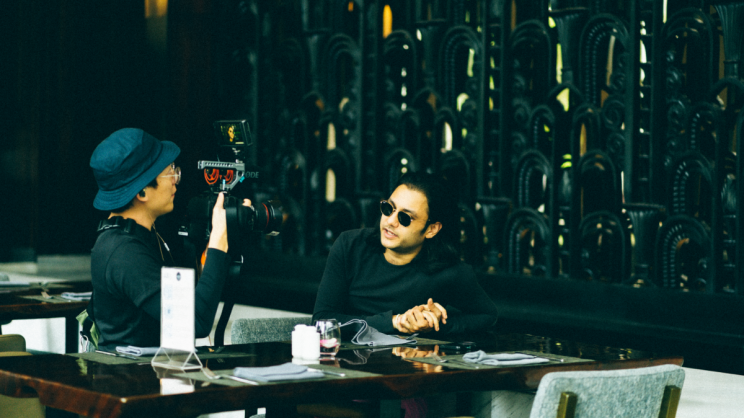
What followed shifted the responsibility onto him. “I was told to handle it,” he said. “I had to arrange a press conference, speak to the media, and manage the situation on the ground while people were already gathering.” The experience, he adds, clarified the nature of the work. “You realise very quickly that this job is not just about when shows go right. It’s about how you respond when things fall apart in real time.”
It shaped his working instinct. “You learn fast or you don’t last. That’s basically it.”
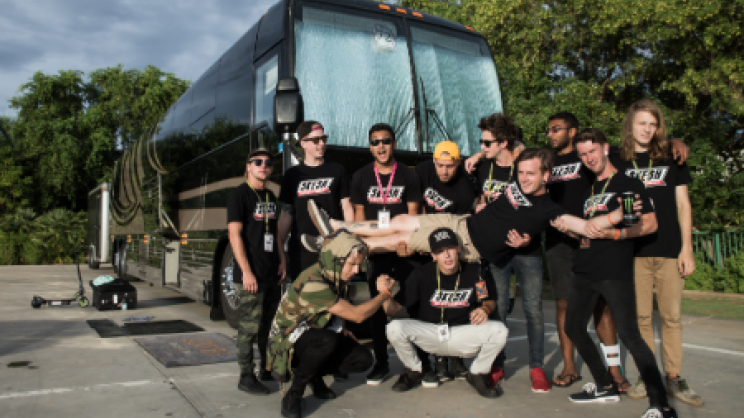
From there, Skesh Entertainment grew into a touring and production company operating across Asia, eventually handling shows for Red Hot Chili Peppers, Megadeth, Simple Plan, and Secondhand Serenade.
It expanded into six offices across Malaysia, Thailand, Taiwan, the Philippines, Indonesia, and China. “It didn’t feel like expansion while it was happening. It just felt like we were always somewhere else, working.”
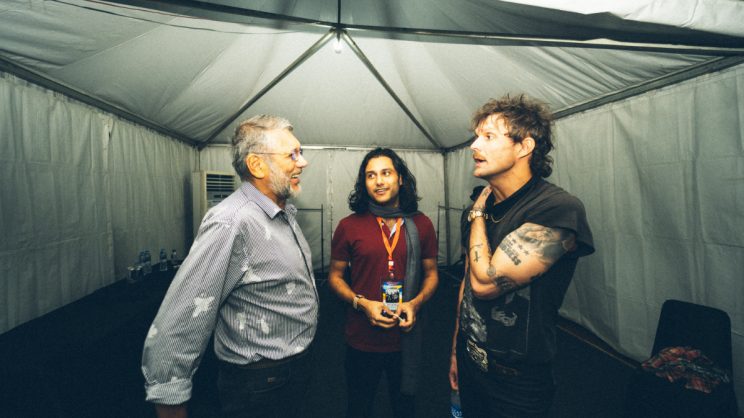
He doesn’t describe it as ambition in the conventional sense. “It wasn’t about building something big. It was about staying in the system long enough to understand how it actually works.”
Music, however, never became secondary. His influences remain layered and personal. “Pink Floyd from my father. Later, Bangladeshi bands like Artcell, Nemesis, and Cryptic Fate. And then everything else that came through touring. Kaaktal is probably my favourite now and I feel they have the capacity to extend their musical journey further.”
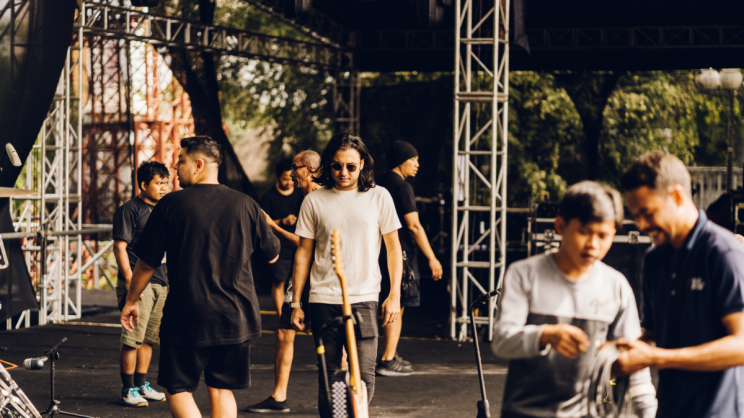
Those influences sit alongside work that has placed him inside large-scale touring circuits, including production environments where global pop acts operate at the highest level.
 For all latest news, follow The Daily Star's Google News channel.
 “When you’re around tours of that level, you start understanding how detailed everything is—from timing to audience engagement to branding,” he said. “It changes how you look at the entire industry.”
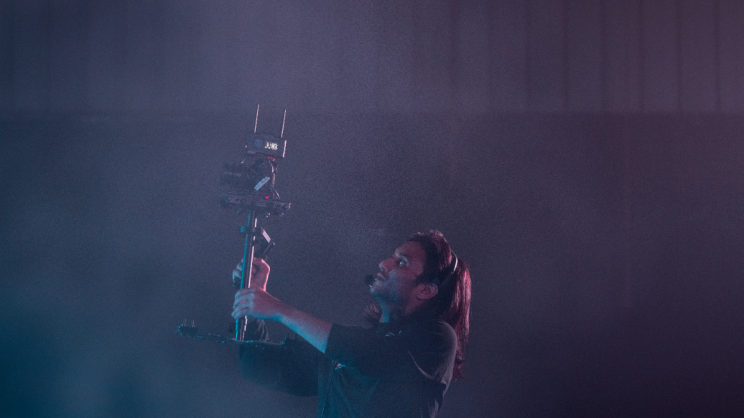
He is direct about how he was perceived early on. “When you’re from Bangladesh and you’re young, people don’t take you seriously. You get tested more. You just keep doing the work until that changes. I wasn’t the best at anything when I started—I just didn’t stop showing up.”
That persistence now informs how he thinks about Bangladesh. “There are three things: mindset, money, exposure. The talent is already there—that’s not the issue. But artists need to work within those three areas.”
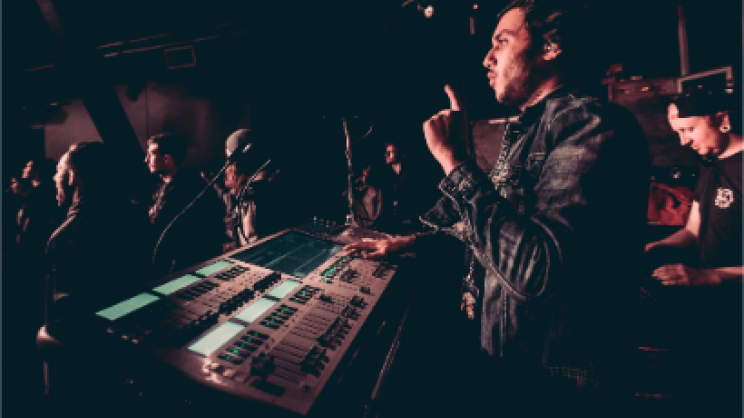
He avoids framing himself as someone trying to “fix” the industry. “I’m not trying to fix anything. I’m trying to connect people to systems that already exist. If that helps artists move into international touring, that’s enough.”
His goal is specific: placing 50 to 100 Bangladeshi artists into international touring circuits—not as one-off appearances, but as repeat presence.
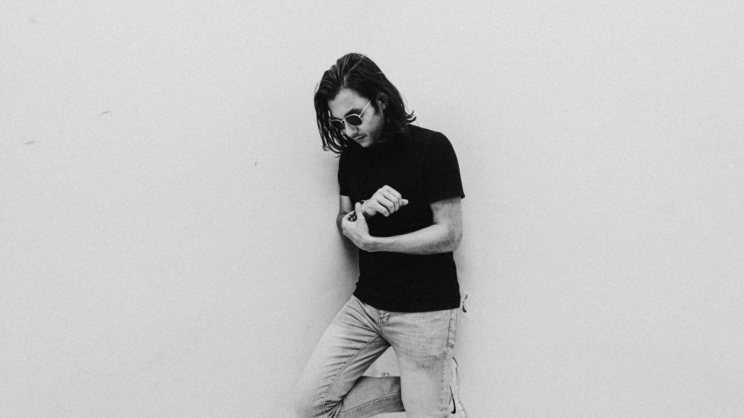
For all the movement between roles—manager, entrepreneur, performer—he doesn’t separate them. “It’s all the same space. Different parts of the same work.”
He doesn’t talk about breakthroughs as much as he talks about repetition. “Getting there once is easy compared to staying there,” he said. “If Bangladeshi artists can keep showing up on those stages, then it stops being a story.”
For him, that shift—from exception to presence—is the real goal.
Comments