


The changing climate of political satire

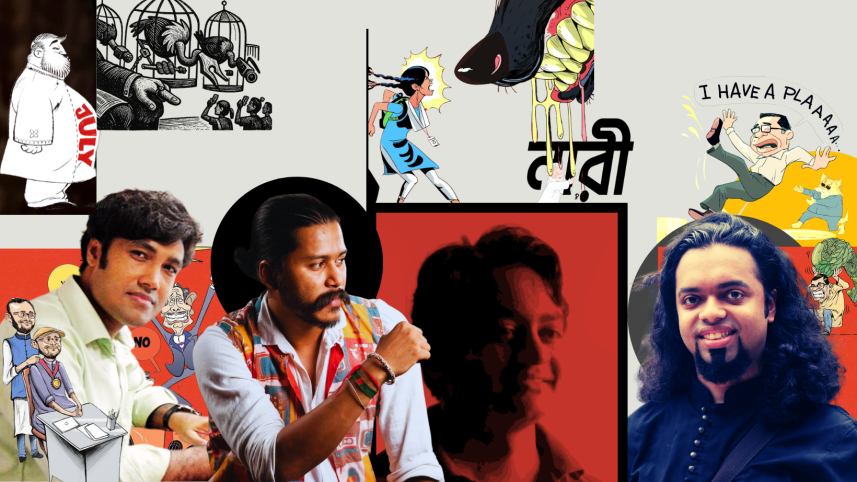
Years ago, during the Obama presidency, Bangladeshi cartoonist Syed Rashad Imam Tanmoy asked Pulitzer Prize-winning political cartoonist Matt Wuerker a question that had long intrigued him. Sitting at Wuerker's desk at POLITICO, he wondered what could possibly frustrate a political cartoonist working in one of the world's oldest democracies, where freedom of expression appeared comparatively secure.
"Nothing happens," Wuerker replied and explained "If I publish a cartoon and nobody gets upset, then I haven't really done my job. A political cartoon is supposed to provoke. It's supposed to make people uncomfortable, challenge those in power and start conversations."

Tanmoy has never forgotten that conversation. To him, it distilled the purpose of political satire– its success is measured not by applause, but by its ability to unsettle power.
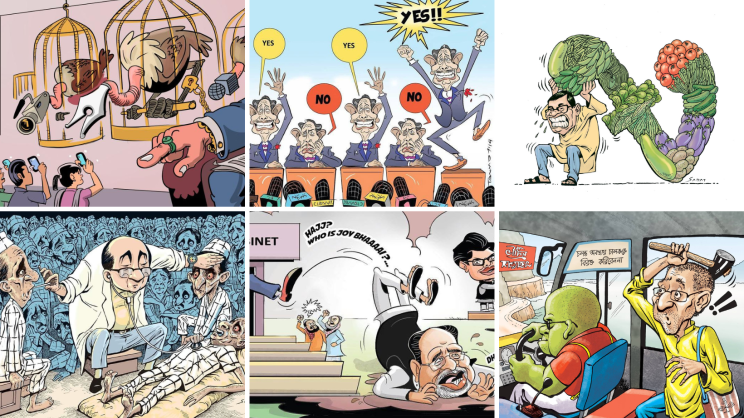
Bangladeshi cartoonists know that discomfort intimately. Censorship, political labelling and organised backlash have shadowed the profession for decades. The latest example came when one of the country's most prominent political satirists, Mehedi Haque, found himself at the centre of coordinated criticism for doing what political cartoonists are expected to do: draw satire in response to the national conscience.
That it happened under a democratic government born out of a mass uprising—one in which cartoons and other forms of cultural expression played a pivotal role—raises uncomfortable questions. For many cartoonists, the issue is no longer only censorship. It is political tagging, organised outrage and the growing fear that every drawing will be read through partisan allegiance rather than artistic intent.
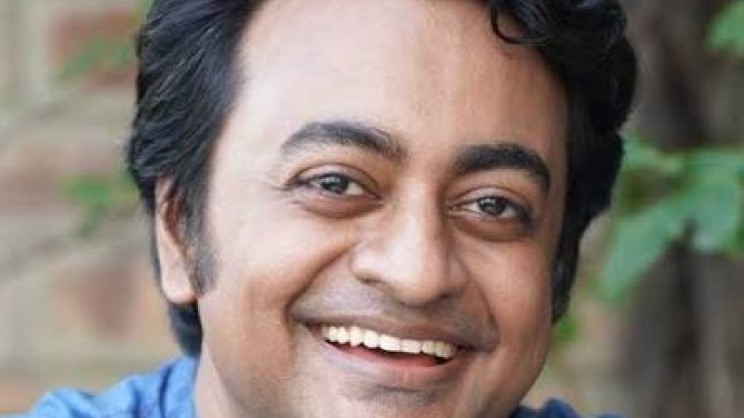
Mehedi Haque, however, sees the backlash differently.
"I take these criticisms and backlashes very positively," he said. "Political cartoonists have to stand in opposition to power. Governments change, political climates change, but our job doesn't. Political cartoons are meant to make susceptible or corrupt people uncomfortable. If we cannot trigger the power structure or make it react, then we have failed. So I welcome the backlash."
After nearly three decades as a political cartoonist, Haque says every government has responded to satire in its own way.
"I kept drawing under every government, and every one of them reacted differently. I was criticised and labelled 'unsuitable' by those in power and by bureaucrats. To me, that meant I had done good work. That discomfort is necessary for change."
Haque distinguishes between criticism and intimidation.
"We welcome constructive criticism and discussion," he said. "But politically motivated online mobs and organised taggers are trying to influence the craft. They are backing their own leaders, while our responsibility is to speak for ordinary citizens. Many of those creating this backlash are trying to use the July Uprising for political gain. They are not necessarily the established political parties; often they are newer political groups trying to claim the narrative."
He welcomed Prime Minister Tarique Rahman's public assurance that creative political expression would not be condemned or curtailed, calling it "a smart move."
"The freedom to practise political cartoons and political satire is an indicator of a healthy democratic system," he said. "The freer artists are—especially political cartoonists—the stronger that democracy becomes. An elected government and the opposition should both welcome political cartoons. I hope they will be wise enough to maintain that."
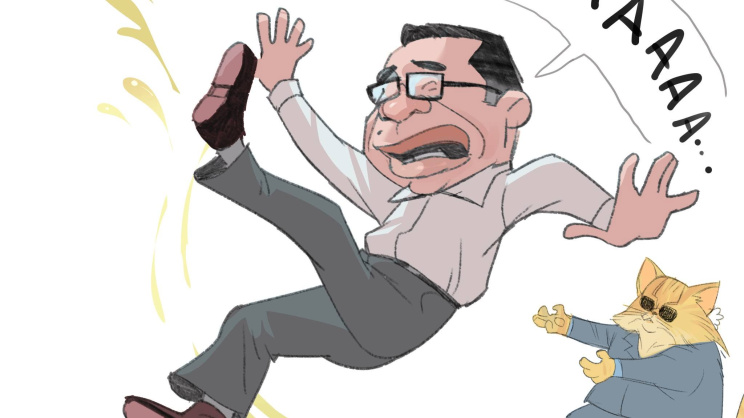
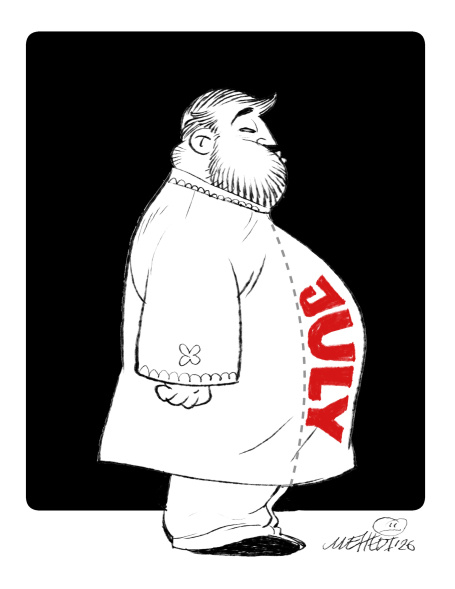
Even the controversy surrounding his own recent work, he argues, should be understood differently.
"I think the backlash against my cartoon is actually a positive milestone in our political history," he said. "Personal attacks, however, must have limits, and the state has a responsibility to ensure that. Nonetheless, we will continue doing our job because we cannot help expressing our perspective. That is our call or responsibility."
Mehedi believes much of the outrage surrounding his and fellow cartoonists' work stems from what he calls "purposeful misinterpretation," amplified by social media's ability to blur "truth and falsehood" into political narratives.
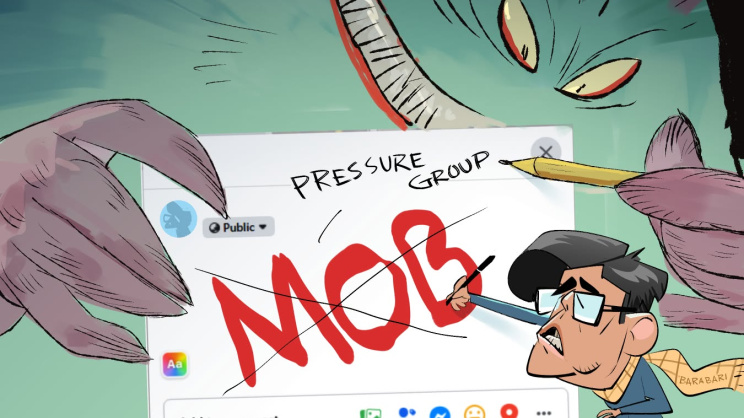
Power, he argues, depends on division. "If you cannot create an imaginary enemy, it becomes difficult to establish yourself as the hero," he says.
Comparing political periods, Haque says the previous regime fostered "an atmosphere of fear" that encouraged self-censorship, while today's pressure is "more public, fragmented and coming from all sides." His cartoons, he insists, are symbolic rather than aimed at individuals. "When you work with symbols, people who were never intended may still see themselves in them."
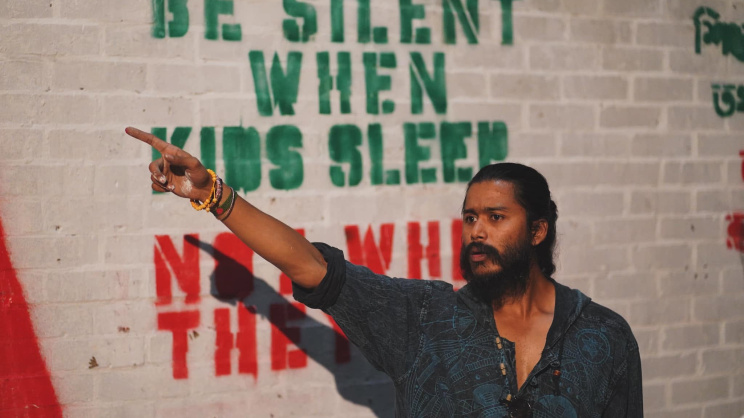
For the prominent cartoonist, the renewed hostility reflects changing centres of power rather than changing attitudes.
"Whoever comes to power reacts. We are doing exactly what we did during July. Only those in power have changed," he says. "Political satire is meant to make those who abuse power uncomfortable. If it doesn't provoke a reaction, we have failed."
 For all latest news, follow The Daily Star's Google News channel.
 Political tagging, he adds, has become a weapon in itself. "People create camps and try to divide others. We cartoonists, have become used to it."
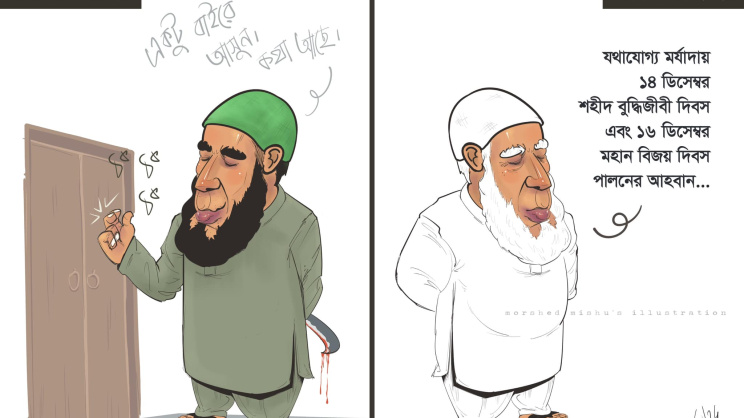
That concern echoed across almost every conversation for this report. The cartoonists spoke less about formal censorship than about political branding, coordinated online mobs, threats and an atmosphere where every drawing is quickly read as loyalty to one political faction or another.
For cartoonist Morshed Mishu, that pressure strikes at the heart of the craft. "If an artist feels threatened for expressing themselves, it kills the soul of the work. We are human beings. We have families. We need safety." He believes today's intimidation is, in some ways, more unsettling than before.
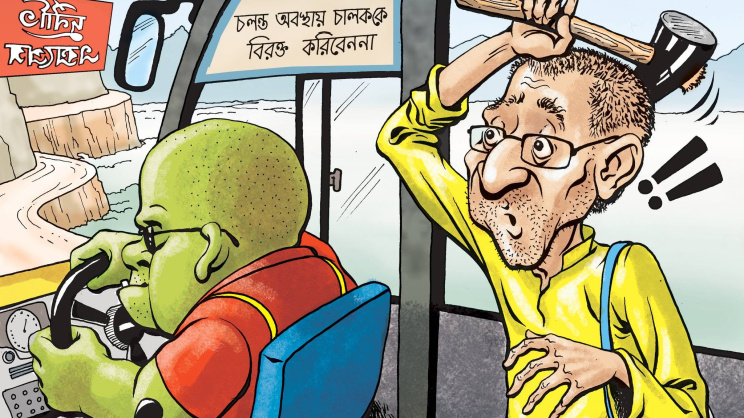
"Earlier we knew who the pressure group was. Now the threats come from everywhere." The result, he says, is psychological exhaustion. "We were part of the movement. If we can't question it now, then fascism is here again." For independent artists, the fear extends beyond professional consequences. "Sometimes it is our families we worry about. The bullying eventually affects creativity."
Syed Rashad Imam Tanmoy knows that fear well. Years of abuse, threats and political labelling forced him to step away from drawing for a period.
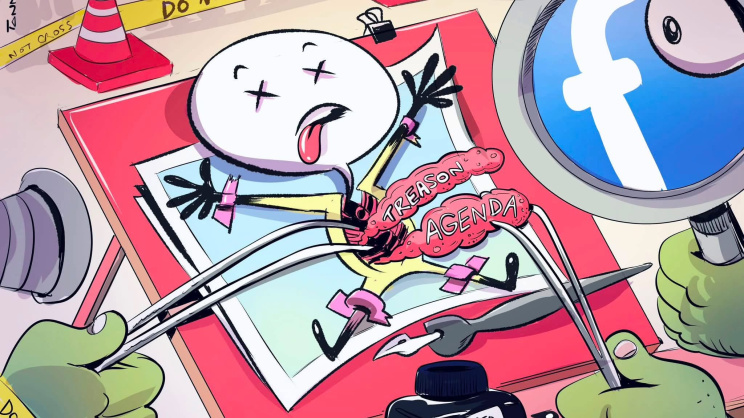
"The situation has never been comfortable or truly free," he says. "Cartoonists need the support of established editorial boards, and the state needs reforms that genuinely protect freedom of expression because we are clearly being targeted."
Political cartooning, he argues, is inherently rebellious. "We do this because we cannot help expressing dissent or portraying reality as we see it."
Tanmoy also points to a quieter form of censorship inside newsrooms. "A good political cartoon is meant to make a sharp observation or take a clear position. If it has to balance every perspective, it loses its bite."
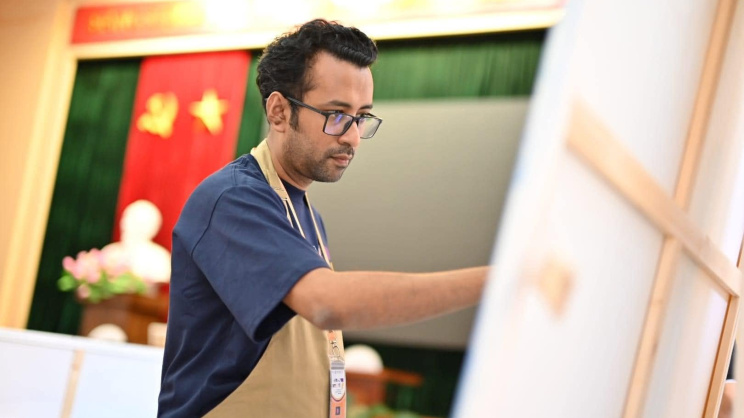
In trying not to antagonise those in power, he says, newspapers often soften the very satire they commission. "You end up criticising those in power while making sure they don't feel criticised too much. That almost defeats the purpose."
Cartoonist Sadat Uddin Ahmed, who left political cartooning seven years ago and now teaches at the University of Chittagong, describes the last decade as "a dark period" shaped by pressure from politics, the state and the law.
Veteran cartoonist Khalil Rahman says the optimism many artists felt after the fall of the Awami League government has largely faded. The lingering culture of self-censorship remains, he argues, while organised intolerance has taken its place.
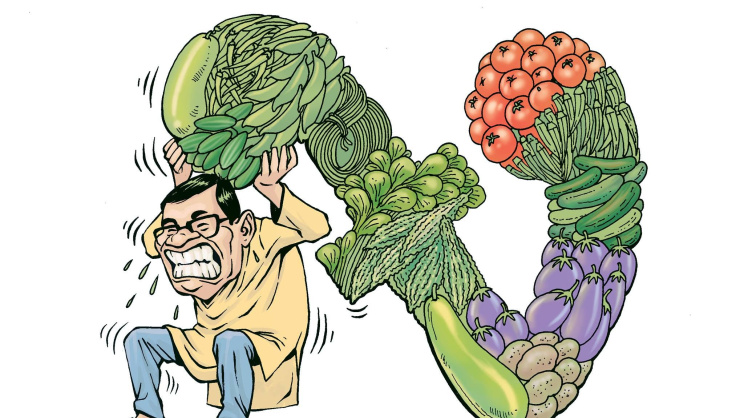
"You may disagree with a cartoon, but the answer is another argument—not an attack."
None of the cartoonists interviewed for this report argued that political cartoons should be beyond criticism. They welcomed disagreement, debate and even outrage. What they rejected was a climate where criticism quickly mutates into political branding, coordinated harassment and threats.
Perhaps the real question is no longer whether Bangladesh tolerates political satire. It is whether satire can still perform its oldest function: making power uncomfortable without making the artist afraid.
Comments