


How 'Mukh O Mukhosh', Bangladesh’s first film, was made
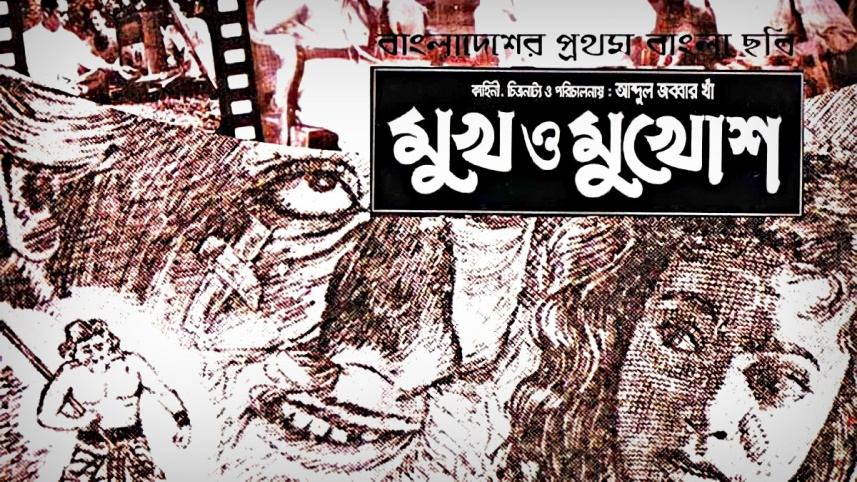
Today marks a proud milestone in the history of Bangladeshi cinema. It was on this day that “Mukh O Mukhosh” was released. Directed by Abdul Jabbar Khan, the film became the country's first full-length Bengali-language sound feature. Its release on August 3, 1956 marked the official beginning of Dhaka's film industry. This year marks the 70th anniversary of the landmark production.
Seventy years ago today, “Mukh O Mukhosh” premiered at Rupmahal Cinema Hall in Dhaka. The inauguration was attended by the then Governor of East Pakistan, Sher-e-Bangla A K Fazlul Huq.

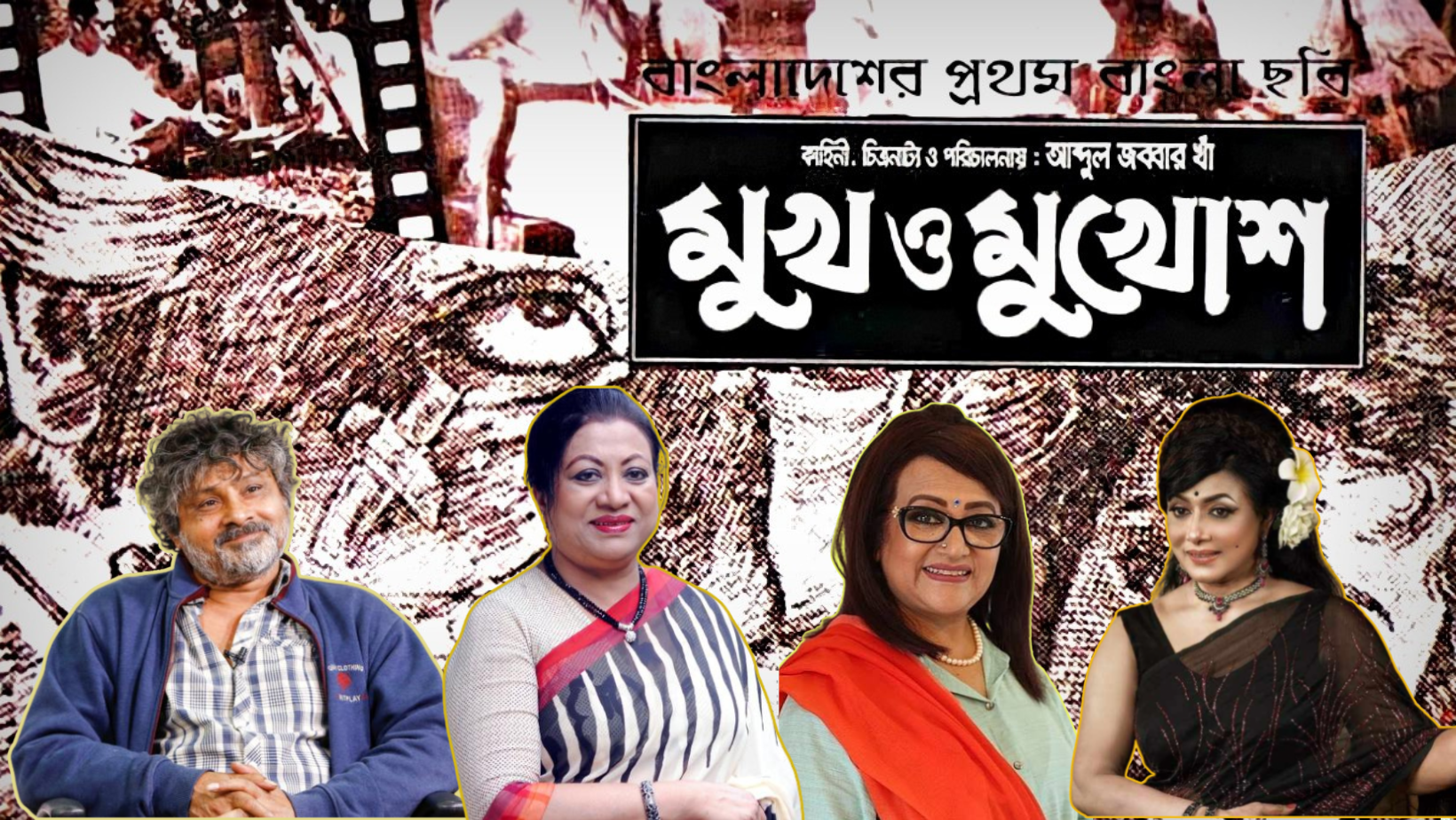
The film itself was born out of a challenge. In 1953, during a meeting held to discuss the prospects of filmmaking in East Pakistan, it was claimed that the region's humid climate made film production impossible. Rejecting that assertion, Abdul Jabbar Khan declared that he would prove otherwise by making a feature film himself.
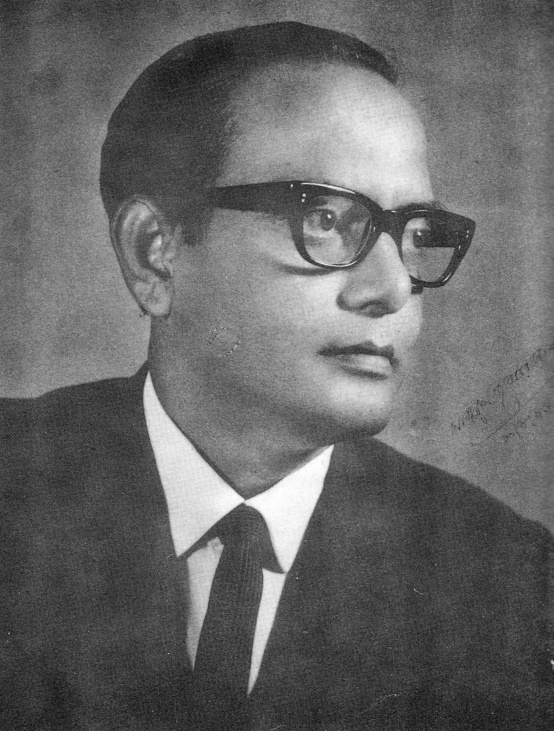
Although he had no prior experience in filmmaking, Khan adapted his own stage play “Dakat” into a screenplay. Using a second-hand Eyemo camera imported from Kolkata along with a basic tape recorder, production began. As there was a shortage of female performers, advertisements were placed in newspapers to recruit actresses. Purnima Sengupta, from Kolkata, was cast as the female lead, Kulsum, while Abdul Jabbar Khan himself portrayed the male lead, Afzal.
Filming took place across several locations, including Kaliganj on the opposite bank of the Buriganga River, Lalmatia, Tejgaon, Jinjira, and the banks of the Turag River in Tongi. Shooting was completed on October 30, 1955, after which editing and printing were carried out at Shahnoor Studio in Lahore.
Initially, distributors in Dhaka were reluctant to release the film. Eventually, Pakistan Film Trust and Pakistan Film Service took on the responsibility of distribution. Alongside its premiere at Rupmahal Cinema Hall, “Mukh O Mukhosh” was also released in Chattogram, Narayanganj and Khulna. The overwhelming response from audiences proved that filmmaking was indeed possible on Bengali soil, paving the way for a new chapter in the country's cinematic history.
The film's music was composed by Samar Das, while the songs were performed by Mahbuba Hasnat and Abdul Alim. Choreography was by Gawhar Jamil.
 For all latest news, follow The Daily Star's Google News channel.
Comments