


Gore, grit, horror: Vicky Zahed unpacks the philosophy behind ‘Chokro 2’

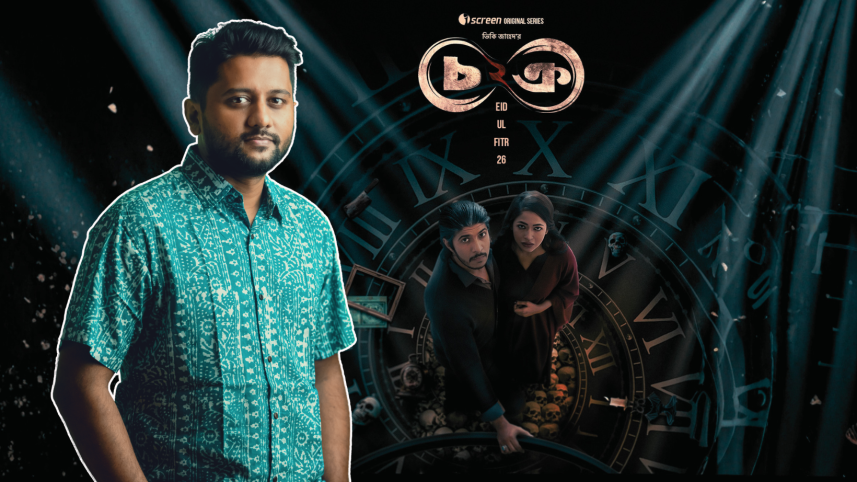
“How was a family of nine convinced to take their own lives together, in unison, without any of them attempting to escape?” — This haunting question consumed Vicky Zahed after he learned about the real-life tragedy of the Adam family that unfolded in 2007 in Mymensingh.
Drawing from these disturbing events and weaving them with his own imagination, Vicky candidly opens up about his latest release, “Chokro 2”, which emerged as one of the standout highlights on OTT platforms this Eid-ul-Fitr.
While the first season was released last year, the latest instalment has stuck in the audience's mind more deeply than ever. With its dark, grisly narrative and psychological intensity, the series quickly gained popularity, sparking curiosity about the idea’s origins, the director’s exploration of the 2007 incident, and how he balanced fact with fiction.
How much of the rituals shown in ‘Chokro’ about the mysterious ‘Adam Family’ are based on real events?
Many of the rituals depicted in the “Adam Family” were based on research from real scriptures and historical references, rather than made up entirely for the series. I prefer to keep the sources anonymous; information on how such practices may have worked was collected and then combined with fictional elements to build the story.

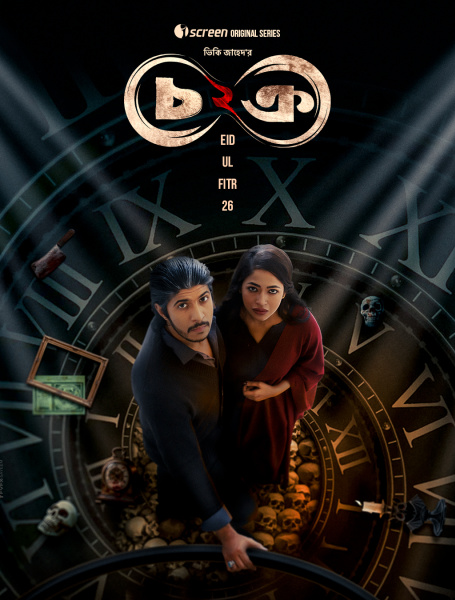
There seems to be a significant shift in tone between Season 1 and Season 2. Was this a conscious creative decision?
It was intentional. Season 1 was designed to be more subtle and scientific, focusing on the ‘Adam’ belief system and exploring ideas like brain manipulation, shared hallucination, and neuroscience. Season 2, on the other hand, moves in a more commercial and dramatic direction. There was pressure from OTT platforms to deliver a strong hit after a gap in successful content, which influenced the shift in tone to more commercial, which actually worked! As a result, Season 2 leans more into fiction and mythology, with a bolder, more ‘loud’ storytelling style. While my personal preference remains the quieter, more restrained approach of Season 1.
‘Chokro’ can be said to be a landmark in the psychological thriller genre in Bangladeshi content. What was your specific vision for achieving this status?
I aimed to create something that this generation would remember as a landmark in psychological thrillers and cult storytelling. I wanted to move away from typical ghost stories and build a more layered, unsettling experience.
Even though it isn’t traditional horror, the fact that audiences still feel genuinely disturbed or afraid shows that the impact has come through as intended.
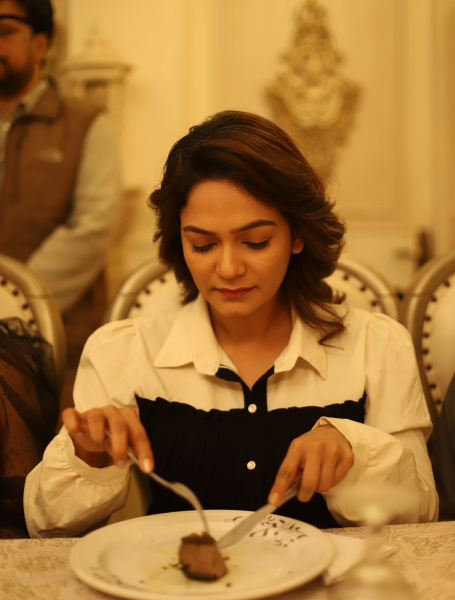
Among all the characters in ‘Chokro’, which ones are your personal favourites, and what makes them stand out to you?
I find myself deeply drawn to the protagonist, Humayun, and Tawsif Mahbub delivers a truly commendable performance in bringing the character to life. The role required a restrained, understated approach—one driven by nuance rather than overt expression—and he executed it with impressive finesse. His portrayal of Mammon similarly reflects his range and control as a performer. Gazi Rakayet also stands out, offering a performance that is both compelling and memorable.
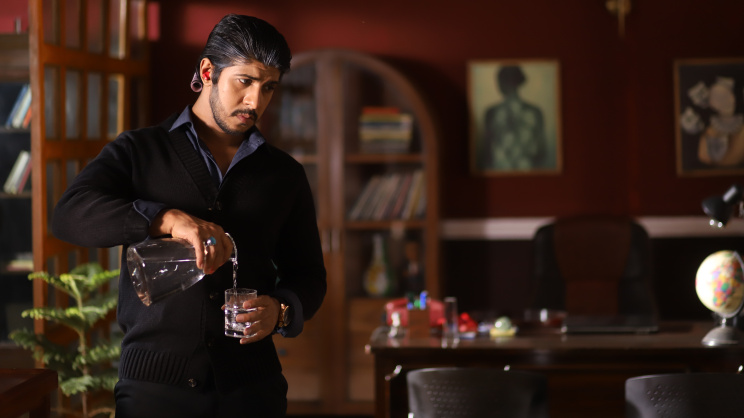
Photo: Courtesy
Jenny, meanwhile, emerges as one of the most thought-provoking characters, functioning as a metaphor for society itself. Her moral transformation is particularly striking: she is protected in her blindness, yet upon regaining sight, she evolves into a formidable antagonist, manipulating those around her. This shift subtly mirrors how the acquisition of power or awareness can, at times, lead to moral corruption.
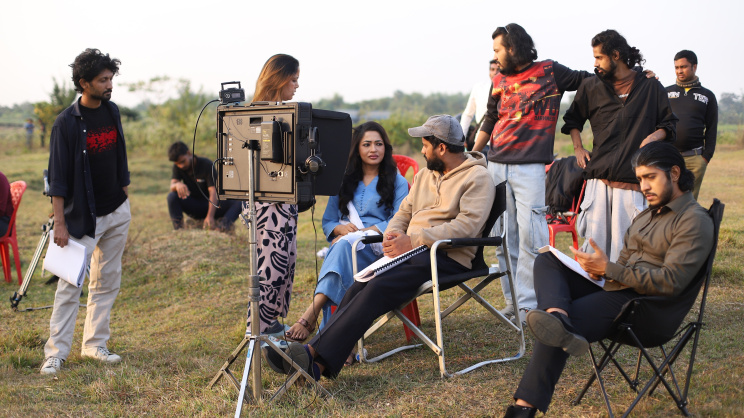
On a more personal note, the character Selim—portrayed as Tasnia Farin’s uncle in the first season—is inspired by a deeply personal family story. My own paternal uncle was known as an exceptionally bright, book-loving individual. However, in his mid-twenties, he abruptly tore up his books, left home one day, and never returned. Despite extensive efforts, including a police search, he was never found. This unresolved absence has lingered as a quiet trauma in my life, and it became the emotional foundation for shaping Selim’s character—where memory, loss, and imagination intertwine.
Some of the cast shared that there was a scene where they had to eat half-cooked liver, and it was very difficult for the actors. What happened behind the scenes?
The struggle was both psychological and physical. The actors were deeply disturbed when they learned the backstory of the scene—that the meat they were consuming was meant to represent their own on-screen niece.
There were also significant physical challenges. For another intestine scene, we took the intestines of goat, where it was screened that it was a dog’s intestine, and the meat had begun to rot, producing such a foul stench that it drove people off the set. While there have been “rumours” among the actors that I intentionally made them eat half-cooked liver, I’d rather leave the truth of that as a mystery for now.
Let’s just say—they can wait for season three to see what I have in store for them next (laughs).
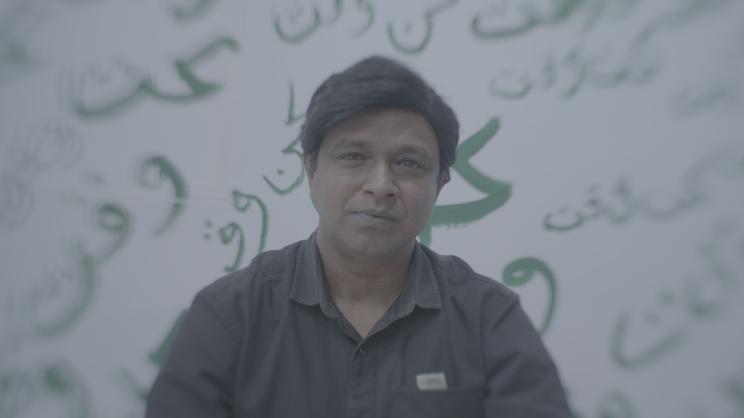
You seem to have a specific pattern with different OTT platforms when it comes to the genres and stories you explore. How do you decide which platform is the right fit for your craziest ideas?
While there is no formal arrangement with any platform, a clear pattern has emerged in terms of their willingness to take risks. I have found that iScreen and Channel i are the platforms most open to my more unconventional and out-of-the-box ideas. Whenever I present a truly unusual or horror-driven concept—like “Punorjonmo” or “Chokro”—they have backed me, and those projects have consistently found success there. On the other hand, platforms such as Chorki and Hoichoi generally tend to prefer more grounded, realistic narratives.
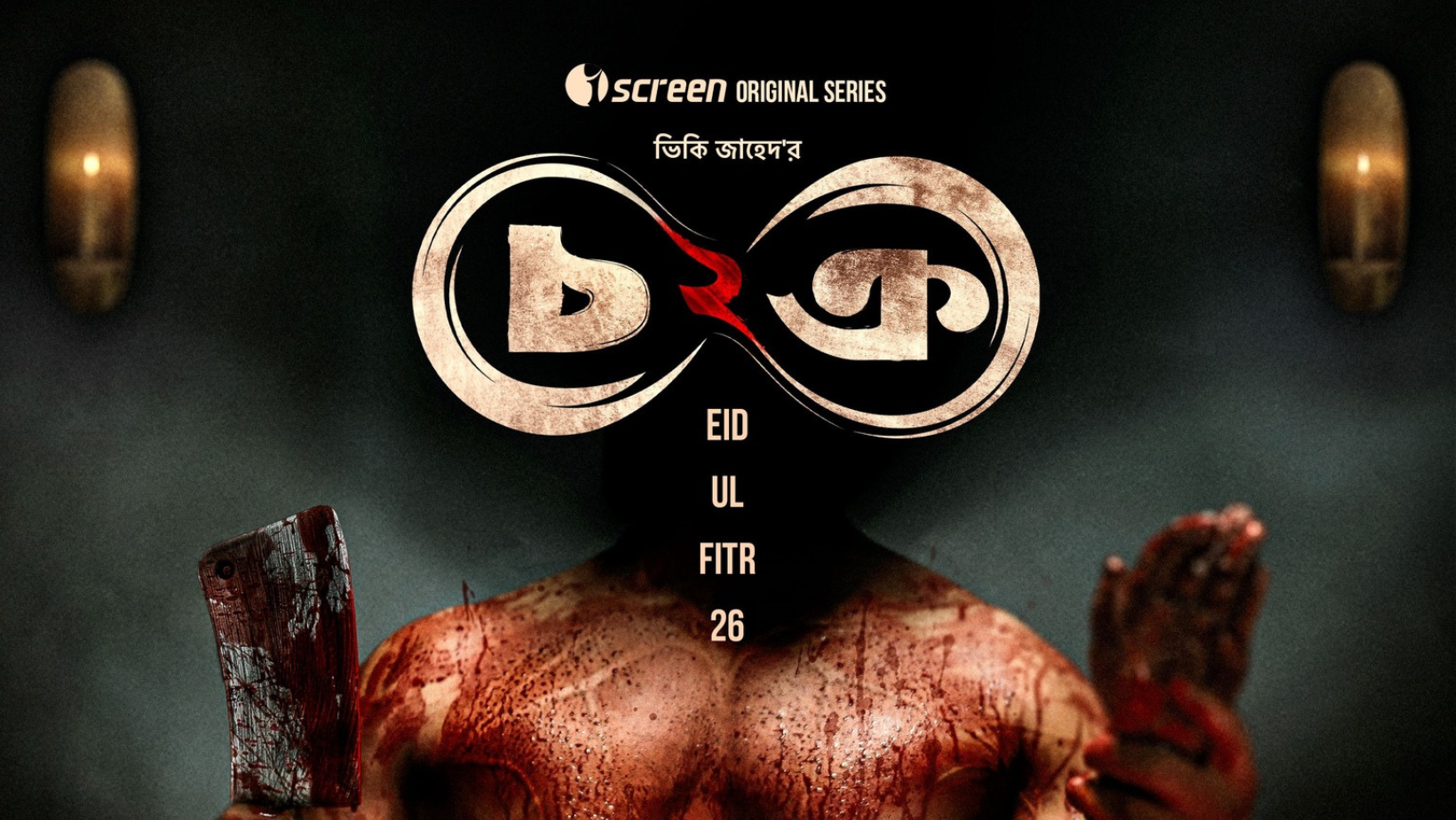
Why have you chosen such a specific release date for the third season?
Scheduled for release on December 31, it is not just for a New Year's gift; it is part of a number game involving numerology and astronomy. I’ve challenged my fans to figure out the mystery behind the date before the release. We plan to start shooting in October to have everything ready by then.
In fact, this is the first time in Bangladeshi history that a release date has been set so far in advance for a series.
There are speculations that you’re going to make a silver screen debut with ‘Pulsirat’ featuring Afran Nisho and Mehazabien Chowdhury?
I have signed a contract with Alpha-i, and I will be making the film soon; however, no cast members have been officially signed as of yet! But yes, I do wish to work on my first feature film with this duo. For now, I want to keep all the attention fully focused on the immense success of “Chokro”.
 For all latest news, follow The Daily Star's Google News channel.
Comments