


Bangladeshi film industry grapples with growing Eid dependence

Bangladeshi film industry once basked in a golden era. Countless commercially successful films drew audiences to cinemas, and theatres thrived across the country. There was a time when films were released throughout the year, sustaining both the industry and its audience. Today, however, that landscape has shifted dramatically. Cinema halls are steadily declining in number, and in recent years, big-budget films have become almost exclusively tied to Eid releases.
Why has this seasonal dependence taken hold? Several filmmakers and artistes shared their thoughts with The Daily Star.

Director Tanim Noor, known for acclaimed films such as “Utshob” and “Bonolota Express”, believes the issue stems largely from financial risk. “Producing films in our industry has become increasingly uncertain,” he says. “Investors are hesitant, and understandably so—they need to recover their money. There was a time when releasing films year-round made that possible. Now, outside of Eid, it is extremely difficult. Eid at least offers some hope of returns. That’s why big-budget films are mostly reserved for that period. But we must find a way to move beyond this pattern.”

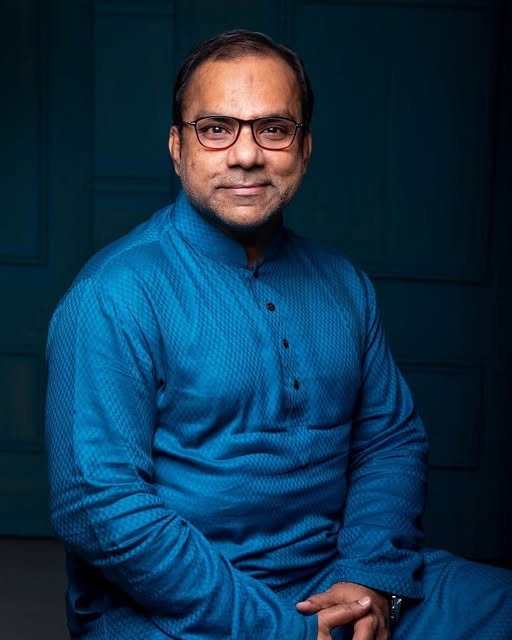
Veteran actor Misha Sawdagor, who has been part of numerous successful films, warns that relying solely on Eid releases is unsustainable. “The industry cannot grow if major films are only released during Eid,” he says. “We need films throughout the year. Think of it this way—if you eat well for one month and go hungry for the remaining eleven, you cannot survive. Similarly, releasing big-budget films only during the two Eid seasons cannot sustain the industry. We need at least a dozen hit films across twelve months.”

Filmmaker Gias Uddin Selim describes the current state of the industry as fragile and believes Eid-centric releases are far from a solution. “This approach is not effective and will not be in the long run,” he says. “If we want the industry to recover, we must release quality, big-budget films throughout the year. Producers need to plan and think beyond Eid. Audiences deserve consistent cinematic offerings.”

Another filmmaker, Tauquir Ahmed, whose films have earned both national and international recognition, places emphasis on storytelling. “Audiences will always respond to good stories—it has been proven time and again,” he notes. “Yes, more people go to cinemas during Eid, but that does not mean they won’t come at other times. If we consistently release strong films, viewers will follow. It is entirely possible to sustain year-round releases.”
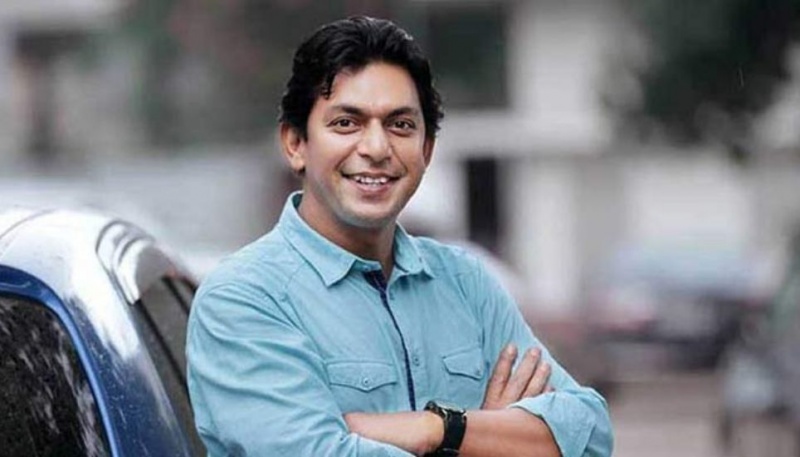
Actor Chanchal Chowdhury, whose films have often resonated deeply with audiences, believes the appetite for quality cinema still exists. “We have a proud cinematic heritage,” he says. “Even now, audiences wait for good films and turn up when they are delivered—as we’ve seen with recent Eid releases. But why limit big-budget films to just two festive windows? Yes, Eid draws larger crowds, but unless we commit to releasing quality films throughout the year, the industry cannot progress.”

Popular actor Siam Ahmed shares a similar outlook. With several successful films to his credit, he emphasises the need for consistency. “As an artiste, I believe we need big-budget and quality films released year-round,” he says. “That way, audiences will have access to better cinema more often. Producers and directors need to think more expansively about this.”
As the industry grapples with shrinking infrastructure and financial uncertainty, one message comes through clearly from its leading voices: the future of Bangladeshi cinema depends not on seasonal peaks, but on sustained, year-round storytelling.
 For all latest news, follow The Daily Star's Google News channel.
Comments