


Middle East conflict to push 12 lakh Bangladeshis below poverty line: World Bank
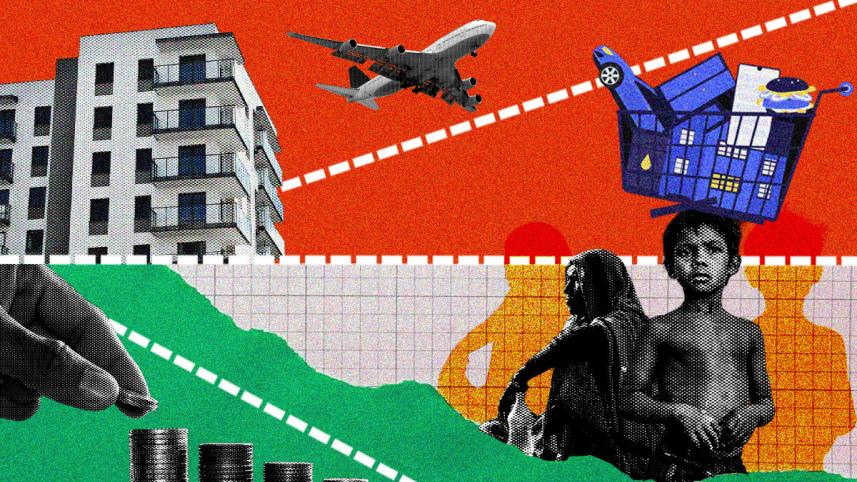
The World Bank projects lower economic growth for Bangladesh in the current fiscal year, stating that 12 lakh poor people will remain below the poverty line mainly due to the impact of the US-Israel war on Iran.
Today, the multilateral lender published its Bangladesh Development Update for April, a bi-annual publication of the World Bank.
 For all latest news, follow The Daily Star's Google News channel.
 Poverty and welfare outcomes deteriorated over 2022–25, driven by limited creation of productive jobs, weak labour income growth, and elevated inflation that reduced the poverty-reducing impact of growth, the lender said in its report.
Bangladesh’s national poverty rate is projected to have risen for a third consecutive year, increasing from 18.7 percent in 2022 to 21.4 percent in 2025.
Prior to the conflict in Middle East, about 1.7 million people were projected to get out of poverty this year, but due to conflict, now only 0.5 million people can exit poverty.
At the $3 international poverty line, an additional 1.4 million people are projected to have fallen into poverty over the same period, it added.
“A recovery projected for 2026 is now at risk — the Middle East conflict is expected to push an additional 1.2 million people below the poverty line, offsetting much of the projected improvement.”
The conflict is likely to materially affect Bangladesh’s economy, compounding existing vulnerabilities such as elevated inflation, financial sector struggles, constrained policy space, and weakened confidence.
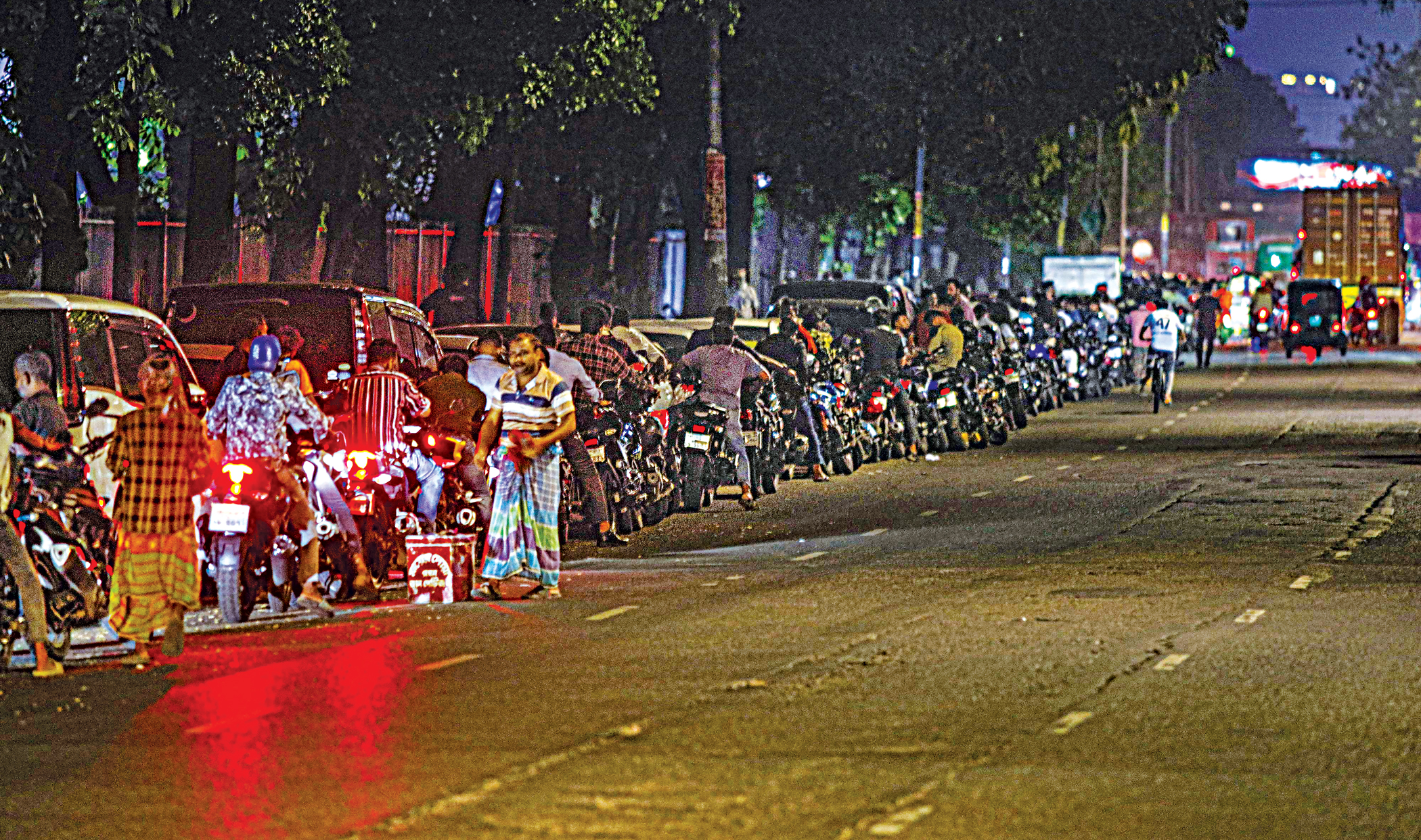
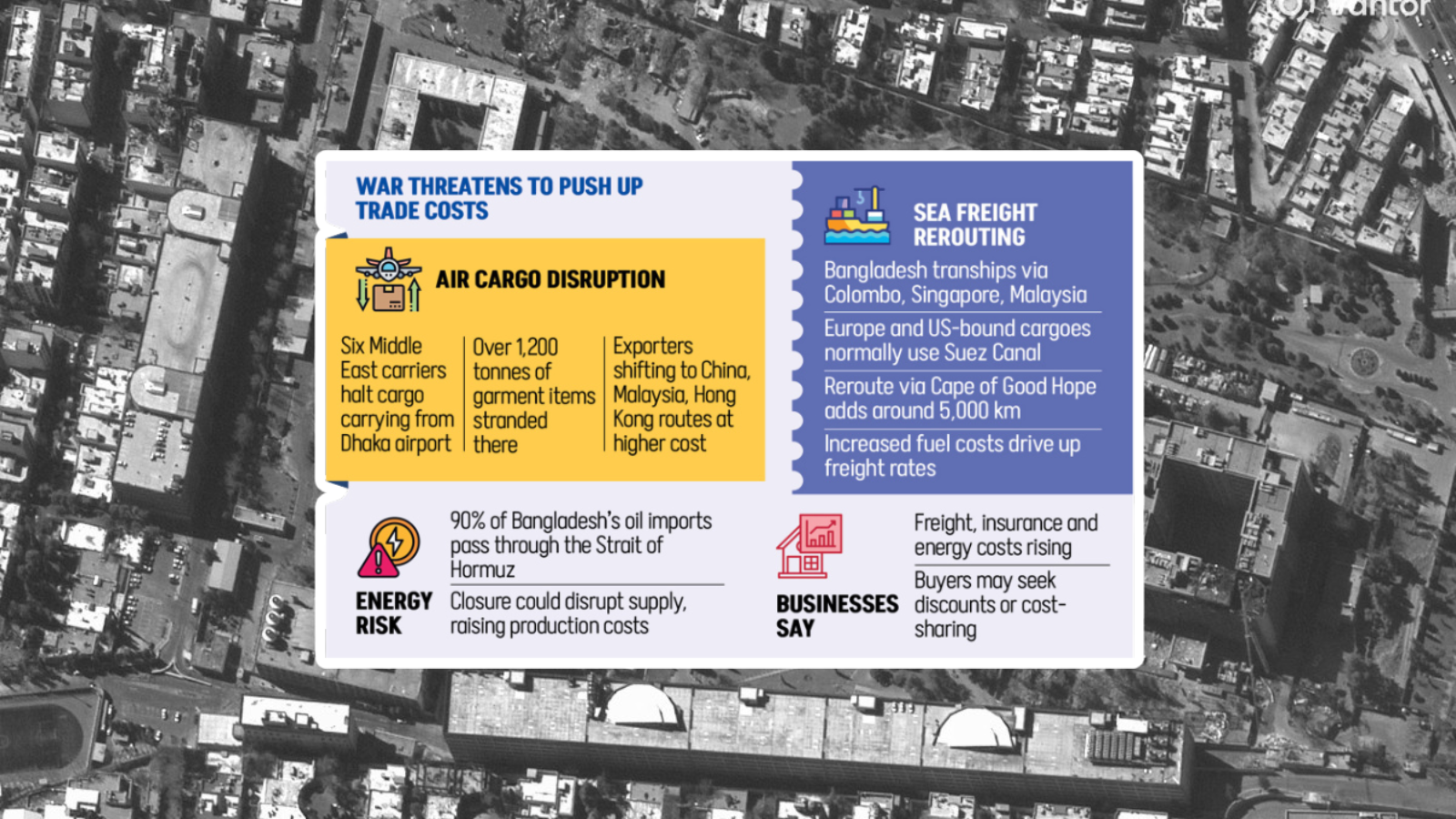
Higher import costs, weaker exports, and falling remittances would add pressure to the current account balance, while rising energy prices and exchange rate pressures would further fuel inflation. Higher energy subsidies would also squeeze fiscal space.
Addressing these risks demands a coherent stabilisation strategy — backed by structural reforms — to build buffers, restore confidence, revive investment, and put growth on a sustainable footing.
The World Bank has downgraded Bangladesh’s near-term outlook, revising real GDP growth for FY26 down to 3.9 percent from the previous projection of 4.6 percent in January 2026.
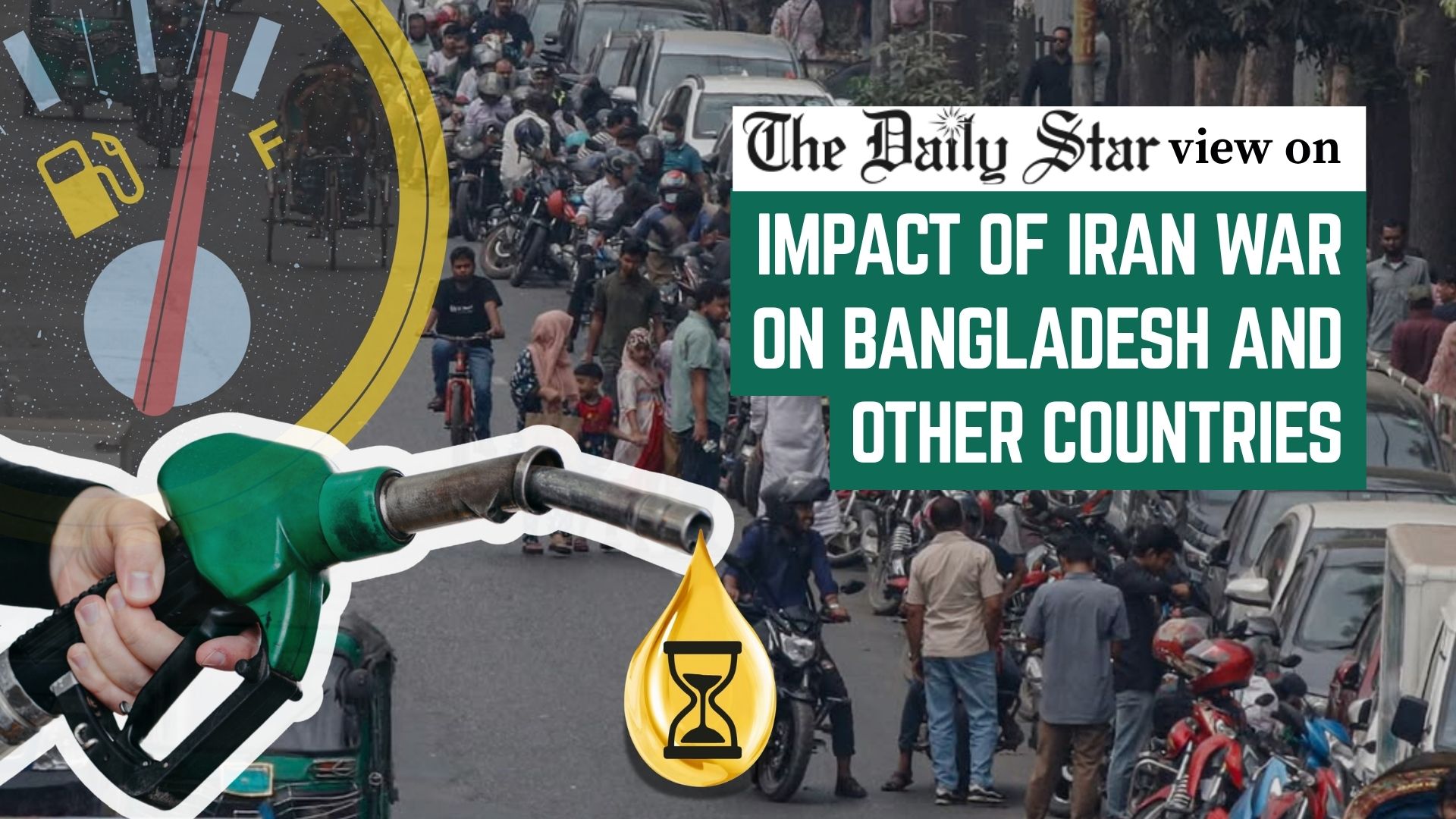
The downward adjustment reflects the combined impact of the ongoing Middle East conflict and persistent domestic macroeconomic challenges, including elevated inflation, weak investment, and financial sector vulnerabilities.
Inflation is expected to moderate compared to FY25 but remain elevated due to higher import and energy costs linked to the conflict.
Comments