


LWG certification can strengthen local leather industry
The global leather industry is changing rapidly. Environmental sustainability, resource efficiency, traceability and responsible production have become essential for competing in international markets. For Bangladesh, which has one of the world’s largest supplies of naturally available hides and skins, this shift presents both challenges and opportunities. At the centre of this changing landscape is the Leather Working Group (LWG), the world’s leading sustainability assessment system for leather manufacturers.
A common misconception is that LWG imposes foreign environmental standards on leather-producing countries. In reality, it does not set environmental laws. Instead, it assesses whether a tannery complies with the environmental regulations of its own country while adopting internationally recognised best practices. LWG certification should therefore be seen as internationally accepted verification of environmental compliance and responsible manufacturing.

For Bangladesh, this distinction matters. The Environment Conservation Act and the Environment Conservation Rules 2023 provide the legal framework for pollution control, environmental clearance, wastewater discharge, waste management and environmental monitoring. Many requirements assessed under the LWG protocol closely match these regulations. As a result, investment in complying with Bangladeshi environmental laws also strengthens readiness for LWG certification.
The LWG Leather Manufacturer Audit covers environmental and operational indicators including environmental management systems, chemical management, traceability, water use, energy efficiency, air emissions, waste management, occupational health and safety, emergency preparedness and governance.
Modern leather production depends on a wide range of chemicals throughout tanning and finishing. International buyers expect manufacturers to maintain strict control over chemical storage, handling, use and disposal. Effective chemical management reduces environmental risks, improves workplace safety, enhances product quality and supports sustainable production.
Water management is another key part of the certification process. Leather manufacturing requires large amounts of water. Tanneries that monitor consumption, adopt cleaner production techniques, recycle water where practical and reduce waste demonstrate environmental responsibility and operational efficiency. Buyers are also placing greater emphasis on energy efficiency as they seek suppliers with lower carbon footprints.
Traceability is one of the fastest-evolving parts of the LWG framework. Global brands increasingly want visibility across their supply chains to ensure responsible sourcing and meet sustainability commitments. Bangladesh has a natural advantage because most raw materials come from domestic livestock. Stronger traceability systems can improve transparency and increase buyers’ confidence.
Waste management and effluent treatment remain the biggest environmental challenges for Bangladesh’s leather industry. The tanning process generates large volumes of wastewater, sludge and other by-products that require proper treatment, disposal or recovery.
The relocation of tanneries from Hazaribagh to the Savar Tannery Industrial Estate was a major environmental reform. The estate was designed to support cleaner leather production through shared infrastructure, including a CETP. Although progress has been made, further improvements are needed in CETP performance, sludge management, hazardous waste handling, chromium recovery and environmental monitoring. These issues increasingly shape how international buyers judge a country’s commitment to sustainable leather production. Better environmental infrastructure strengthens not only regulatory compliance but also industry reputation, market confidence and long-term competitiveness.
The future of Bangladesh’s leather sector will depend on its ability to demonstrate environmental responsibility. Sustainable production is no longer optional. By strengthening compliance with national environmental regulations and expanding LWG certification, Bangladesh can establish itself as a trusted source of responsibly produced leather.
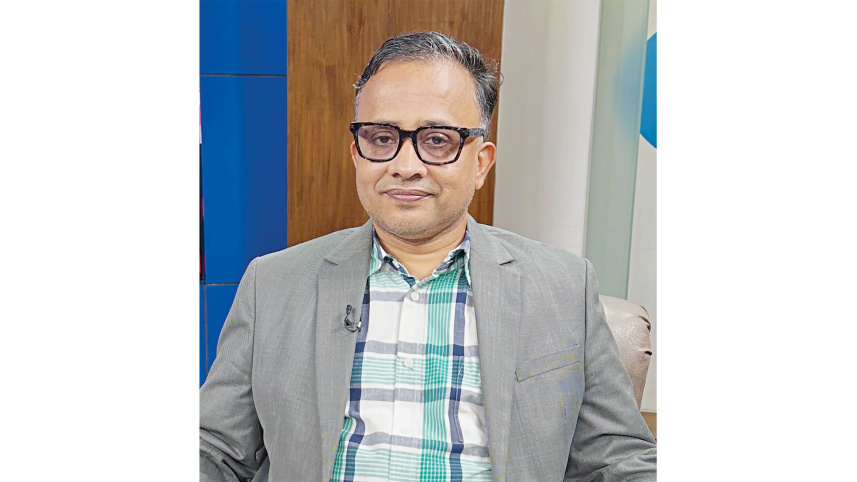
The writer is former director of the Institute of Leather Engineering and Technology
 For all latest news, follow The Daily Star's Google News channel.
Comments