


How to build sustainable digital banks
Last week, I struggled to get change for a Tk 500 note to pay a Tk 30 rickshaw fare.
Seeing me get worked up, the rickshaw puller suddenly asked, “Mama, don’t you have a bKash number?” When I asked why, he replied, “You can bKash me the fare instead of giving me the Tk 500 note.”

I paused for a moment. What he said was simple, but what it represented was extraordinary: just a decade ago, it would have been almost impossible. This is a clear example of how deeply digital financial services have penetrated everyday life in Bangladesh.
Digital banks can bring millions of underserved people, farmers, small merchants and SMEs into the formal financial ecosystem, creating new opportunities for savings, payments and credit.
Now, Bangladesh is entering the next chapter of this transformation with digital banks. The question is whether these institutions can create sustainable, trusted and customer-centric models.
Bangladesh’s success with mobile financial services is part of the global business case, and its massive MFS adoption, lower operational costs, and focus on underserved populations indicate that its digital bank journey could follow a similar path.
Yet digital banks need to be mindful of six parameters: retaining the best talent, patience when it comes to profitability, understanding customer behaviour, public trust, healthy competition and collaboration with the Bangladesh Bank.
Technology can build a digital bank, but human capital will determine whether it succeeds. Institutions that can attract, develop and retain a multidisciplinary talent base will be best positioned to build trusted, scalable and sustainable digital bank models for Bangladesh’s next phase of financial inclusion.
Global experience indicates that digital bank profitability is a six-year journey on average. Shareholders should therefore not be impatient for profits, but focus on investment during the first three to four years.
The winners of Bangladesh’s digital bank era will not necessarily be those offering the most products, but those understanding their customers the best. So, mining transaction data to offer products customers need will be vital.
With MFS fraud reaching Tk 81.3 crore in 2025, and only 8.7 percent recovered, trust and fraud prevention will be critical to digital bank adoption. Resilience should be designed into the bank from day one, rather than treated as an afterthought.
A healthy competitive environment will also be critical to the sustainable success of Bangladesh’s digital banks. A race to the bottom on pricing can destroy value for both customers and shareholders. Digital banks should therefore avoid unsustainable price wars and instead compete through better customer experience, innovation, trust, convenience and, most importantly, market development.
Finally, the success of Bangladesh’s proposed digital banks will depend not only on their strategies and technological capabilities, but also on the strength of their partnership with the regulator. A collaborative regulator-industry approach will help build a trusted, resilient and globally credible digital bank ecosystem in Bangladesh.
Bangladesh’s economic ambition is moving beyond maintaining growth towards building an investment-led, employment-generating and more inclusive economy, with the government targeting an 8 per cent growth trajectory by 2030 and a $1 trillion economy by 2034. Digital banks can play a bigger role than simply becoming another channel for financial transactions.
Their strategic opportunity is to bring millions of underserved individuals, farmers, small merchants and SMEs into the formal financial ecosystem, converting previously invisible economic activity into trusted financial relationships, savings, payments and responsible credit. The success of digital banks should therefore be measured not only by how many existing banking customers they acquire, but by how many new participants they bring into Bangladesh’s formal economy.
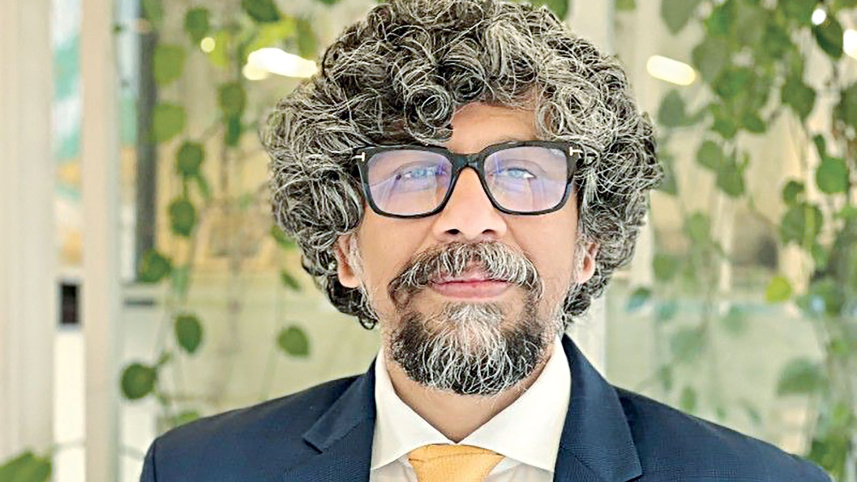
The writer is the executive vice president and head of supply chain management of bKash
 For all latest news, follow The Daily Star's Google News channel.
Comments