


Supergirl: Uncovering a different side of hope through shared grief
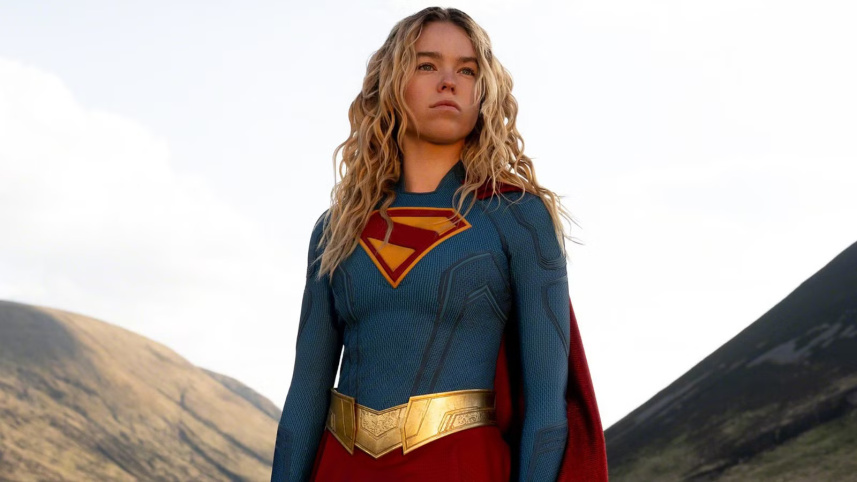
The second film entry in the DC Universe (DCU) franchise and standalone follow-up to 2025’s Superman, Supergirl tells a poignant story of a hero struggling with her grief and loneliness, with Milly Alcock’s portrayal cementing Supergirl as one of the more complex and relatable female superheroes in film.
The story centres on Kara Zor-El, the titular hero, as she attempts to apprehend the mass murderer known as Krem of the Yellow Hills, who poisoned Kara's dog Krypto and brutally murdered the family of Ruthye, a young girl who enlists Kara's help in her quest for revenge.

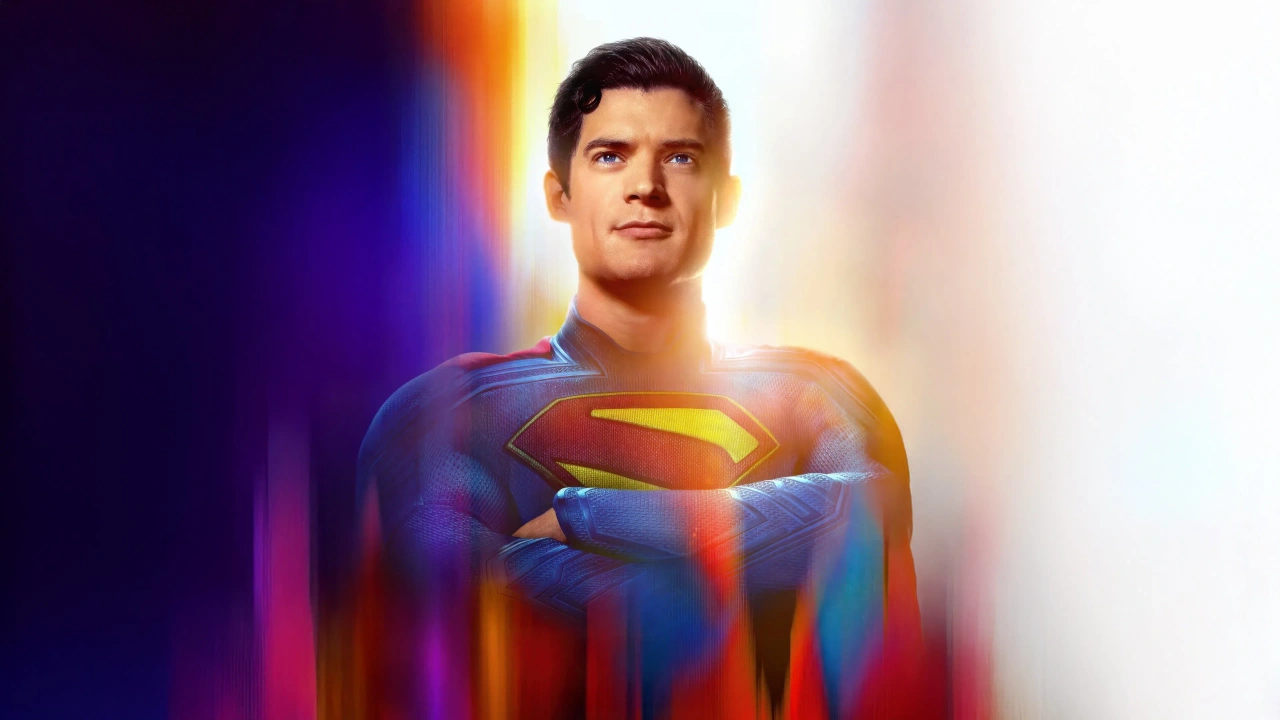
The character work is the movie’s biggest strength. The movie brilliantly showcases the contrasts between Superman and Supergirl, highlighting the nuances of her character that make her much more than a female version of her cousin. Milly Alcock carries the movie by embodying Kara’s trauma, struggles with loneliness and loss. Her difficulty to assimilate with humans like her cousin, the trauma of witnessing her world and parents slowly dying, and her connection to Krypto all serve as the backdrop for the story and her personal journey in the film. This is where Ruthye comes in as a foil to Kara, as they both share the experience of losing their families at a young age. Their shared character growth is the heart of the film, as Kara gains a new perspective on her own grief by helping Ruthye deal with hers.
Another small highlight of the film is the character of Lobo, an immortal mercenary portrayed by Jason Mamoa. While he doesn’t affect the plot in a major way, he appears as an entertaining wild card in the story’s events and is a fun addition.
To critique the film's shortcomings, it’s important to evaluate it as both an adaptation and as its own original narrative. The film is a direct adaptation of the comic series Supergirl: Woman of Tomorrow, written by Tom King and illustrated by Bilquis Evely. While it roughly follows the same story beats, it makes some critical changes that work in some instances but fail in others. The comic had a vibrant and colourful art style with amazing alien and cosmic imagery. In contrast, the film has a much grungier visual style with very uninspired cinematography.
The stakes of the film are also more grounded than in the comic, which makes the middle part of the story less exciting and slower-paced than it was in the book. For example, in one section of the story, Kara battles a colossal space dragon, but this scene is replaced with a much smaller fight against space pirates in the film. While the film uses the grounded action scenes to highlight Kara’s tactical resourcefulness, a few grander battles and embracing the fantastical elements of the original story would have greatly benefited the overall pace of the film.
The main villain, Krem of the Yellow Hills, is also one of the weaker aspects of the film. Krem serves primarily as a plot device to elevate the characterisation of both Kara and Ruthye and receives little development as a character himself. This is particularly a missed opportunity, especially considering the sheer depravity of his actions, which include heinous acts ranging from murder to sex trafficking. To make a final comparison with the source material, in the comic, Kara and Ruthye witness the fallout of Krem’s atrocities during their adventure, with his evil acts becoming more ruthless as the story progresses. This made the comic iteration of Krem a far more despicable villain and the final confrontation more cathartic. A similar portrayal with some extra screen time would’ve made his film version equally compelling.
While Supergirl is not a groundbreaking movie, it is still quite enjoyable and a solid entry in the DCU. The weakness of the overall plot and pacing is sufficiently made up for by the strength of the character development, particularly that of the titular hero herself.
 For all latest news, follow The Daily Star's Google News channel.
Comments