


The chef who put home cooks: At heart of global cuisine

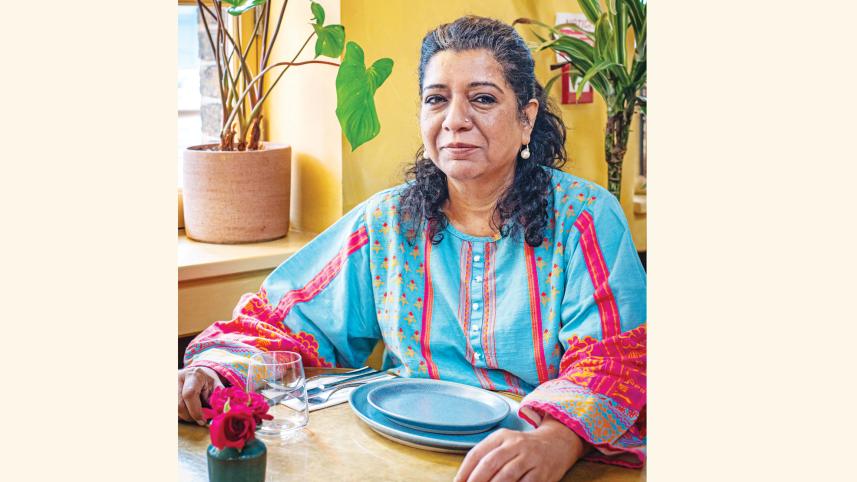
Asma Khan is an advocate for women's empowerment through food -- honest, eloquent, and unapologetically frank. Her confidence and mastery of her craft are deeply inspirational. Yet her mission extends far beyond the plate. She is committed to championing the unsung heroes of the culinary world: the home cooks.
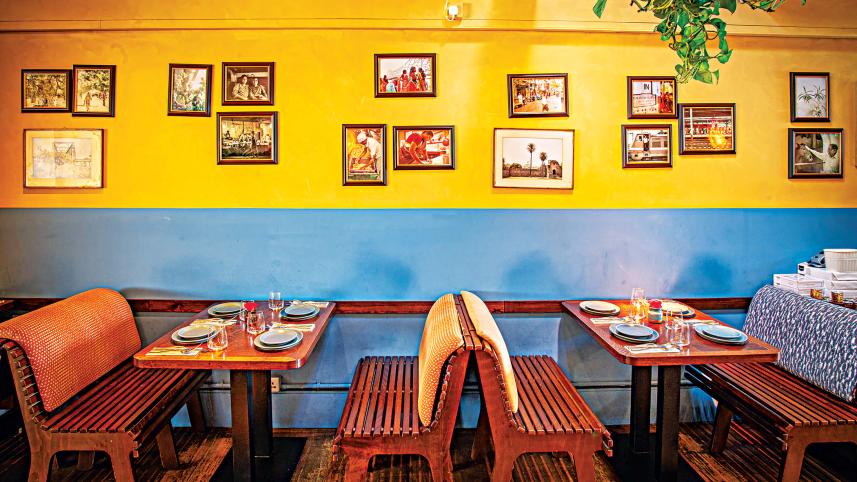
These women, whose labour, creativity, and knowledge have long been dismissed as informal and unskilled, are in fact the true custodians of culinary heritage. In South Asia, they remain among the most discriminated and least appreciated. Through her restaurant in London, Darjeeling Express, Asma pays tribute to their genius and ensures their voices are finally heard.

The matriarchs of our families -- our grandmothers, mothers, home chefs, and even the old household cooks -- are the living bridges of culinary culture. They carry forward cooking techniques and traditions, weaving them across countries, regions, communities, and even the unique rhythms of each household.
"They don't measure -- they taste, adjust, trust their instincts. My mother never gave full recipes, not to be secretive, but because she cooked from memory. Unless you watched closely, you'd miss that one crucial pinch. When I want to replicate an old recipe, I think of our old cook, Haji Shaab, and my mother's technique, and add the same pinch my mother once did.
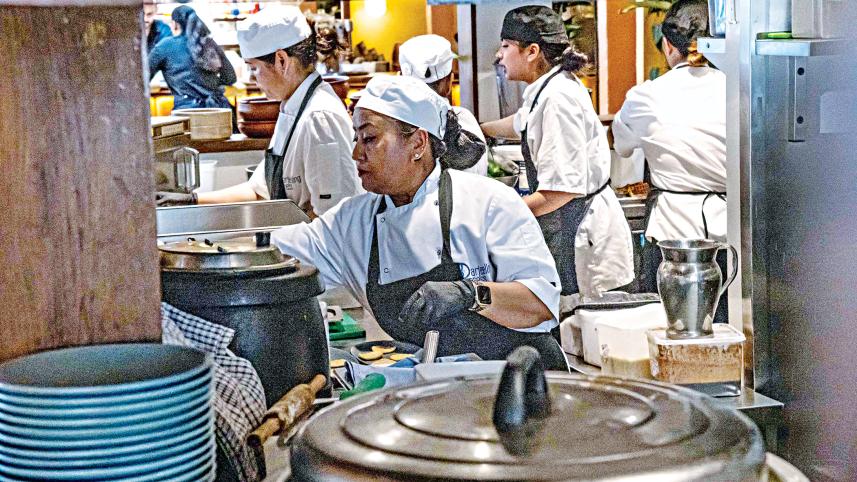
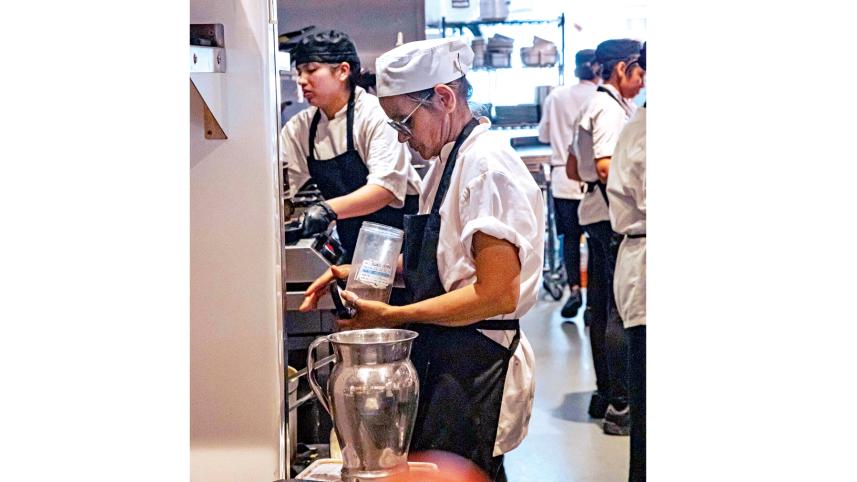
"Most of the women had never tasted the food I served in my supper clubs. They came from South India, Pakistan, Bangladesh -- each with their own traditions. But later, when they started working in my restaurant, they learned by watching, not reading. They cooked by feel," Asma says.
Home cooks have a rhythm that cannot be taught. You just feel it. That beautiful rhythm connects generations. That's the soul of home cooking. Recipes and measurements can't capture that. It's about patience, intuition, and respect for ingredients.
Asma Khan, a celebrated chef and star of Netflix's Chef's Table (season 6), visited Dhaka for the launch of a cookbook called Flavours of Unity -- A SAARC Culinary Journey. It is an initiative of the SAARC Women's Association, Dhaka Chapter. She authored several books that are cultural tributes to South Asian home cooking and the women behind it.
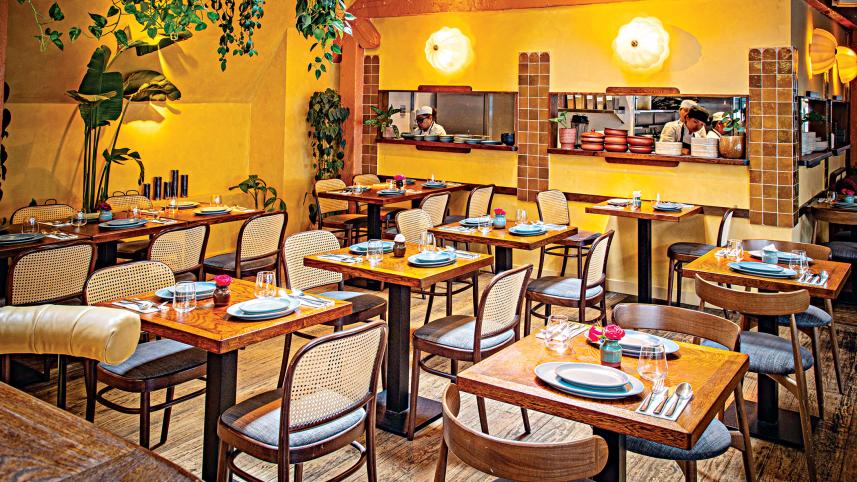
Finding Comfort in Healing and Building a Restaurant with Home Cooks
For Asma, food was a way to find comfort and connection when she left her home in India some 35 years ago.
She reflects that leaving home felt like being uprooted. Back then, staying in touch meant short, expensive phone calls – no video chats, no shared meals. She missed her home food to the extent that she says, "I couldn't change my loneliness, I could only think to recreate the smell of home. Once while cycling around campus, I smelled parathas frying and just stood there, crying. That scent held everything I missed.
"That moment pushed me to cook – not for fun, but to survive. I wanted to bring back the flavours of our family retreats, to restore the romance of home. I taught myself. If you love food, your palate will guide you."
Being cut from everything warm and familiar, cooking grounded her and helped her rebuild her life. It gave her purpose. She shares this story always because she knew what it felt like to miss home, to feel that same emptiness. Food brought her solace and joy, and that dream wasn't just to cook for herself but to feed others who missed the flavours of her homeland, too.
"I knew how one bite of mutton rezala could make you feel whole again," she reflects on how traumatic homesickness can be.
It's ironic that, given her background, a PhD in British constitutional law, and a solid legal career, she took the risk. With no safety net to fall back to, she followed her dream because she didn't want to live for cooking only on weekends or wait for a 30-day holiday back home to feel alive again.
What makes food so powerful isn't just its taste -- it's intimacy. Food is family, memory, and identity. We don't separate it from ourselves. She continues, "At home, we had two kinds of shami kabab, my mother's sweet version with raisins and caramelised onions, and my father's bold one with green chili and mint. Their food reflected who they were. Food crosses every boundary; it is a living bridge."
"My core food philosophy is shaped by Mughal influence -- minimal turmeric, little to no cumin, and perhaps a touch of coriander. Mughal cuisine is defined by its lightness, the use of milk, and subtle layering. This heritage is spread across South Asian regions, but the Mughal cuisine of the two states of India, Bihar and Uttar Pradesh, moved me deeply.
"Bihari Muslim food is exquisite. I make a korma inspired by my grandmother from Bihar, thickened with ghee-fried, crushed makhana, which are the edible part of lotus seeds, called fox nuts. It's rich, refined, and deeply Mughal," she says.
 For all latest news, follow The Daily Star's Google News channel.
 The generation that carried the narratives and secrets behind our dishes is fading with them. That's the tragedy -- we forget to honour the hands that fed us while they're still here. Yet, despite this richness, we often overlook their stories.
The Bengal Cuisine
In many ways, Bengal, which comprises West Bengal and Bangladesh, is the culinary heart of the subcontinent. The cuisine embraces innovation, absorbing and adapting flavours from across the world. Yet the differences even within Bengal are profound. There are two distinct culinary traditions: one rooted in Hindu heritage, the other shaped by Muslim legacy. Bangalee Muslim and Hindu cuisines differ significantly.
Bengal's cuisine, taken as a whole, is layered and diverse. One style is steeped in antiquity; the other evolves through cultural exchange. Port cities like Kolkata and Chattogram welcomed traders and settlers whose food traditions, like the Armenian dolmas and Afghan kababs, left lasting imprints on Bangalee food.
Bangladesh has its own signature dishes -- their biye bari'r roast (roasts served at weddings), the jali kebab, chita roti, and especially their duck preparations, which are deeply rooted in Bangladeshi food repertoire but are rare in West Bengal. Even meat dishes vary; Chattogram's kala bhuna is vastly different from preparations in Jashore or Kushtia.
These regional nuances challenge the notion of a singular Bangalee cuisine. Like "Indian food," it's a broad term that masks a world of subtle, striking differences.
Onions and garlic are staples, though some dishes omit them for religious reasons, creating unique flavour profiles. This spiritual choice makes recreating Kolkata's culinary heritage nearly impossible. It's fascinating how identical-looking dishes like vegetable labra can taste entirely different depending on the cook and context on the two sides of Bengal.
"One major difference lies in the liberal use of green chillies -- kancha lonka -- in Bangladesh. I once served rezala to guests who were surprised by its pale colour, but the burst of lemon-lime juice, heat from green chillies, and hint of sugar left them mesmerised. That final touch of fresh chillies transforms the dish with a subtle, unforgettable aroma.
"Kolkata has dishes I cherish, too. I make chicken jhol in London that's close, but not quite the same. Water matters. The taste of your land's water changes everything. That's why some dishes aren't replicable. My mother never poured water into kosha mangsho -- she'd spray it gently around the pan's edges to deglaze. It's a passed-down technique, the grammar of cooking, the grammar of love," the celebrated chef talks passionately about the little things that matter the most to make food taste like your mother's. She devoted nine pages in her book to just the taste of water in cooking.
Asma loves Bangladeshi food, especially wedding feasts. In her recent book, she included Dhaka's famous biye bari'r roast with the hope that the recipe would be tried as an alternative to turkey, because the roast has jointed pieces, so no carving is required.
"No one says this publicly, but I will: people here seek joy through food. That's why it matters so much," she ends.
Comments