


The hidden dangers of the machine on your wall

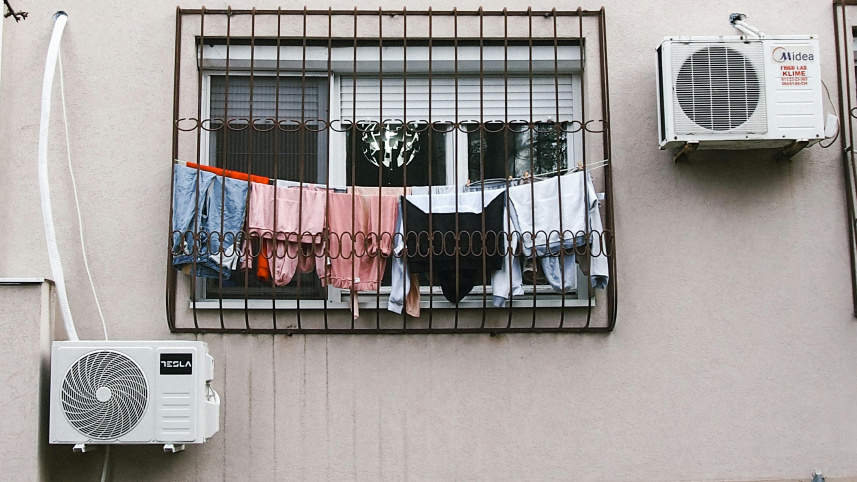
The headlines from across the capital are chilling and serve as a grim wake-up call for every household. In Dhaka’s Nikunja area this year, an explosion at an air conditioner repair shop recently left two individuals with horrific injuries. Meanwhile, in early February at Old Dhaka, a family of three was left fighting for their lives after their AC unit suddenly turned their home into a disaster zone. These are not just freak accidents; they are the result of a machine we often take for granted becoming a lethal threat. You may view your AC as a simple comfort, but the reality is that maintaining it has become a non-negotiable duty for your safety.
The Invisible Threat of Flammable Gas

You might not realise it, but the chemistry inside your AC has changed. To meet environmental standards, manufacturers now use refrigerants like R32 and R290. While these are better for the planet, they are highly flammable.
"These newer gases catch fire very easily," explains Professor Dr. Aloke Kumar Mozumder from BUET’s Mechanical Engineering Department. He emphasises that the danger begins the moment a leak occurs. "If your indoor unit leaks gas into a closed room, it creates a dangerous concentration. A single spark from a light switch, a mobile phone, or even static electricity then triggers a massive explosion." When you ignore a minor drop in cooling, you might actually be sleeping in a room filled with invisible, highly explosive fuel.
A Pressurised Bomb on Your Wall
If the fire hazard isn't enough to worry you, the mechanical pressure should be. Your AC’s outdoor unit houses the compressor, which is essentially a high-pressure vessel. Under normal conditions, it is safe, but neglect turns it into a weapon.
"The compressor explodes when internal pressure exceeds its capacity due to pipe blockages or accumulated dirt," Dr. Aloke warns. If your outdoor unit is choked with dust or forced to run on a cramped, unventilated balcony, the heat has nowhere to go. You are essentially pushing the machine toward a breaking point. Without a clear path for air, the pressure climbs until the metal casing simply cannot hold it anymore, resulting in a mechanical explosion that can level walls.
Fatal Errors by Unqualified Technicians
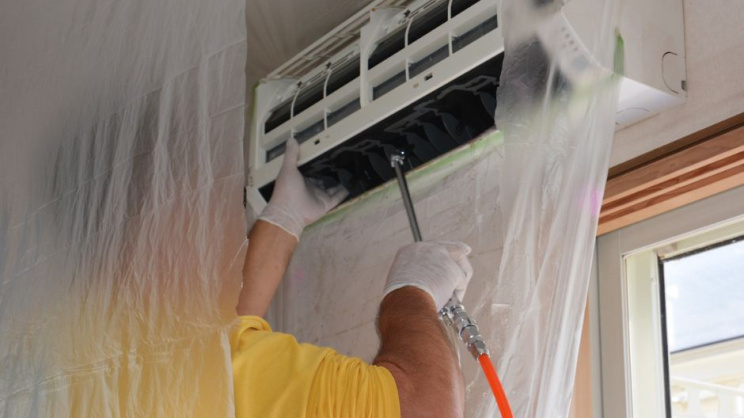
You might think you are doing the right thing by calling in a local technician for a quick fix, but their lack of training could cost you everything. One of the most terrifying mistakes occurs during leak testing.
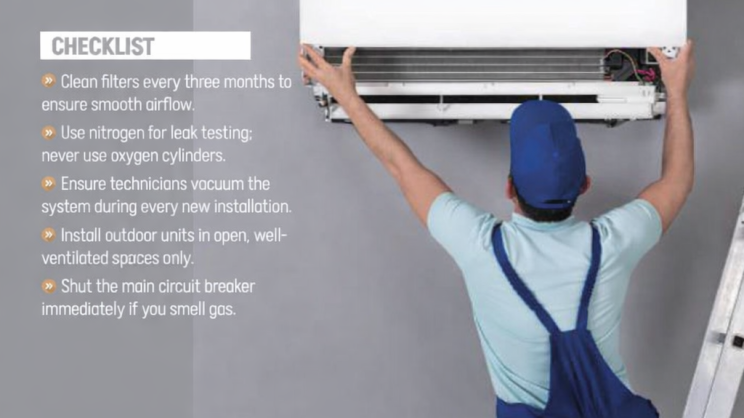
"Many technicians use oxygen cylinders to check for leaks, which is an incredibly dangerous practice," Dr Aloke points out. "Oxygen reacts violently with the oil inside the compressor to create an internal fireball." This phenomenon, known as the 'diesel effect,' blows a compressor apart in seconds. You must insist that your technician uses nitrogen for testing and never oxygen or compressed air. Furthermore, if they skip the 'vacuuming' process during installation, they leave moisture and air trapped inside the pipes, setting a timer for a future disaster.
Spotting the Signs Before Disaster Strikes
Your AC usually tries to warn you before it fails; you just have to know what to listen for. Is your room taking significantly longer to cool? Do you hear an unusual grinding noise or feel a heavy vibration coming from the outdoor unit? These are not just signs of an aging machine; they are red flags.
"If you smell something burning or feel even a mild electric shock when touching the unit, shut it down immediately," Dr. Aloke advises. He also warns you against the lure of cheap, second-hand units or "reconditioned" compressors. These older machines lose their ability to handle high pressure, and their internal components often fail without warning. When buying a new unit, look for "high-pressure protection switches" and "thermal cut-offs" that automatically kill the power before the machine reaches a critical state.
Safeguard your home by ensuring your compressor is never blocked and your filters remain clean. Awareness of cooling drops and hiring trained technicians for proper leak repairs are the best ways to enjoy worry-free, safe cooling.
Your Life-Saving Emergency Protocol
If you suspect a gas leak or perhaps you hear a faint hissing or smell a strange chemical odor, your first instinct might be to reach for the remote. Do not do that.
It is advised to turn off the main circuit breaker immediately. It is also important not to flip any light switches or use your mobile phone in that room. Every flick of a switch creates a tiny spark that could ignite the air around you. Instead, open every window and door to let the gas escape. In the end, the cool air you enjoy shouldn't come at the cost of your life. By cleaning your filters every three to four months and ensuring your machine is serviced by professionals, you can enjoy your cool room with total peace of mind.
 For all latest news, follow The Daily Star's Google News channel.
Comments