


The Blueprint in the Dust: Can Ancient Wonders Rescue Modern Bangladesh?
Bangladesh is currently facing a significant threat: skyrocketing urban temperatures, a heavy reliance on energy-guzzling air conditioning, frequent earthquakes, and devastating floods.
As we look for solutions, we don't always need to look forward to expensive tech; sometimes, we need to look back at how ancient civilisations mastered climate control, protected their homes from earthquakes, and lived in harmony with rising waters.

Here are six architectural wonders and concepts that modern Bangladesh should revisit to build a more sustainable, cooler, and safer future.
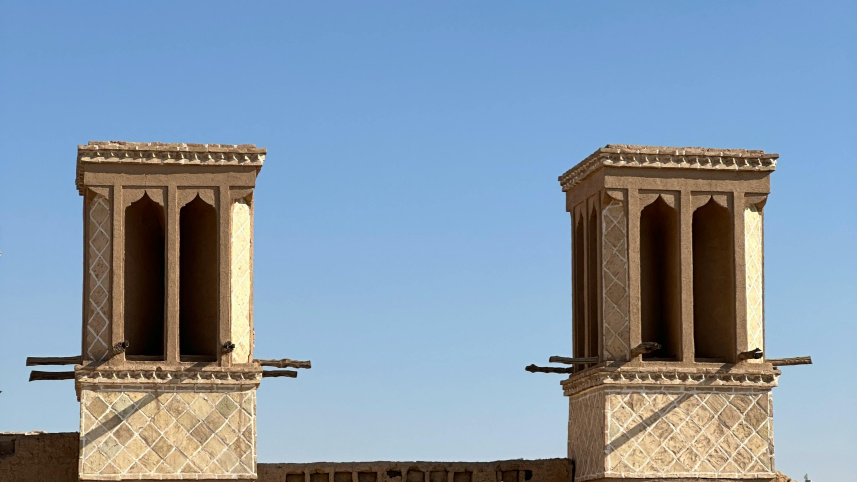
1. Persian Barjeels
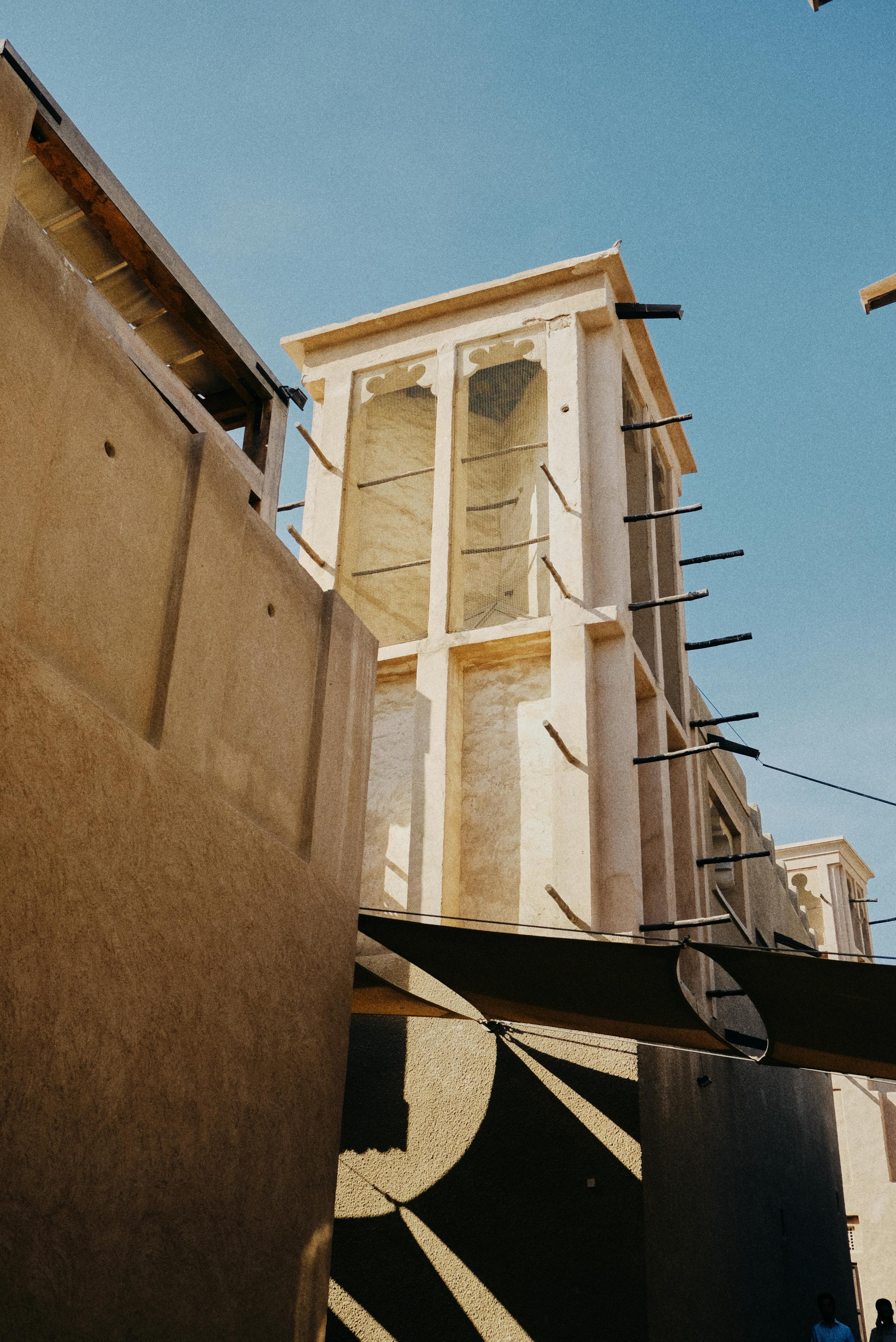
In the searing heat of the Middle East, ancient architects developed Wind Towers (Barjeels). These are tall, chimney-like structures protruding from the roofs of buildings, designed to catch even the slightest breeze.
The Mechanism
The mechanism is simple: the tower acts as a vacuum. The tower has openings on multiple sides to catch wind from any direction. The cool air is funnelled downward into the living spaces, while the rising warm air is pushed out through the opposite side of the tower. In some designs, the air passes over underground water channels (qanats), cooling the interior through evaporation.
Local Application
In dense cities like Dhaka or Chattogram, wind flow is often blocked by "matchbox" apartment blocks. If we integrated vertical wind shafts or modern "solar chimneys" into our building codes, we could create natural drafts that reduce the indoor temperature by 3 to 5 degrees Celsius without using a single watt of electricity.
2. Mediterranean Shaded Courtyards
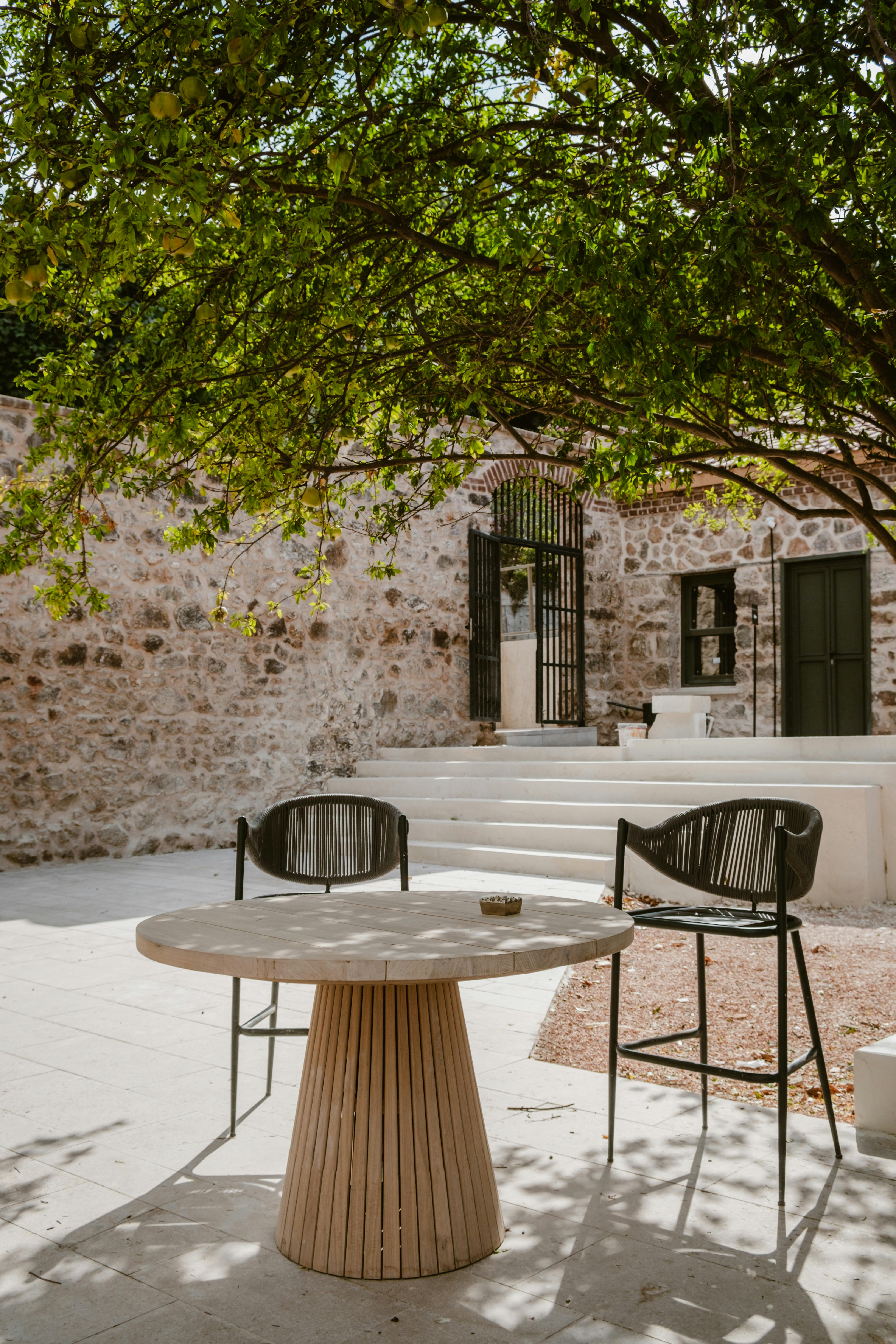
From Morocco to Spain, the central courtyard is the heart of the home. These are open-to-the-sky spaces surrounded by rooms, often featuring a small fountain or greenery.
Functional Design
The courtyard acts as a thermal regulator. During the night, cool air settles into the courtyard. During the day, the thick walls around it provide shade, keeping that cool air trapped inside. This creates a "microclimate" that is significantly cooler than the street outside.
The Bengal Context
Our traditional Uthan (courtyard) was a staple of rural life, but we abandoned it in urban "flat culture" to maximise floor space. By reintroducing internal courtyards or "sky-courts" in high-rises, we can improve cross-ventilation and provide a natural light source, reducing the need for artificial cooling and lighting.

3. Japanese Seismic Resilience
Japan’s architectural wonder isn't just one building, but the philosophy of Shinnbashira. Traditional pagodas in Japan have survived centuries of earthquakes and typhoons because they are not rigid; they move with the energy.
Operational Logic
A central, independent pillar (the Shinnbashira) serves as a fixed point, while the floors around it sway during a tremor. In modern times, this has evolved into "Base Isolation" and "Damping" systems that absorb kinetic energy.
Regional Necessity
While we focus on heat, we cannot ignore that Bangladesh is in a high-risk seismic zone and faces increasingly violent cyclones. Moving away from rigid, brittle concrete structures toward "ductile" (flexible) engineering-perhaps using treated bamboo or composite materials for secondary structures-can save lives and make our infrastructure climate-resilient.
4. Scandinavian Passive Homes
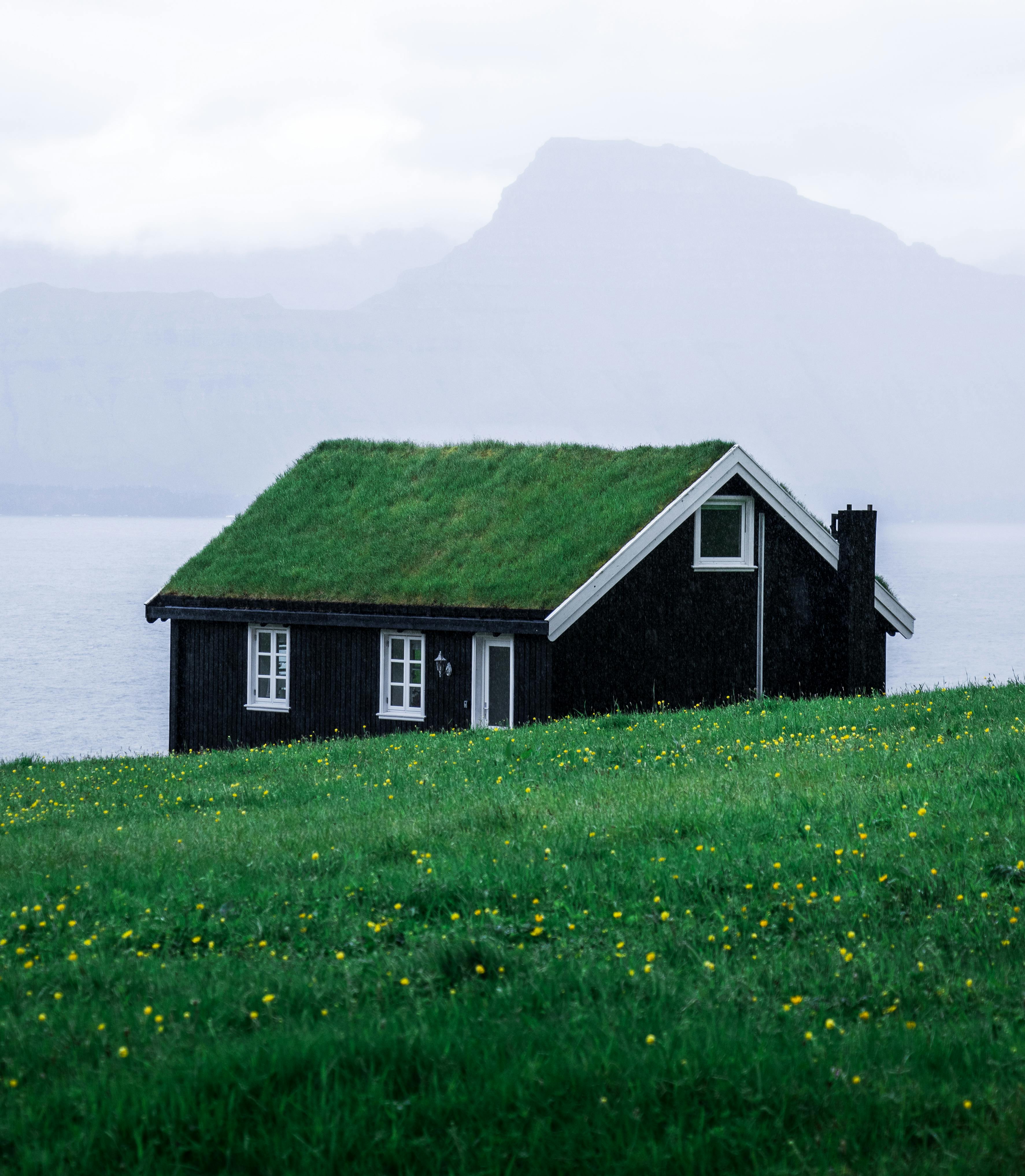
In Northern Europe, the "Passivhaus" standard is used to keep heat in. However, the same physics apply to keeping heat out.
The Core Concept
The focus is on Thermal Mass and Airtight Insulation. By using materials that don't conduct heat easily and ensuring there are no "thermal bridges" (parts of the building that conduct heat, such as metal window frames), the building maintains a constant temperature.
Adaptation for Our Climate
Our buildings are often "heat sponges"—the concrete slabs absorb the sun's heat all day and radiate it all night. Using green roofs (plant cover) and specialised insulation on west-facing walls can prevent the "Oven Effect" common in Dhaka apartments.
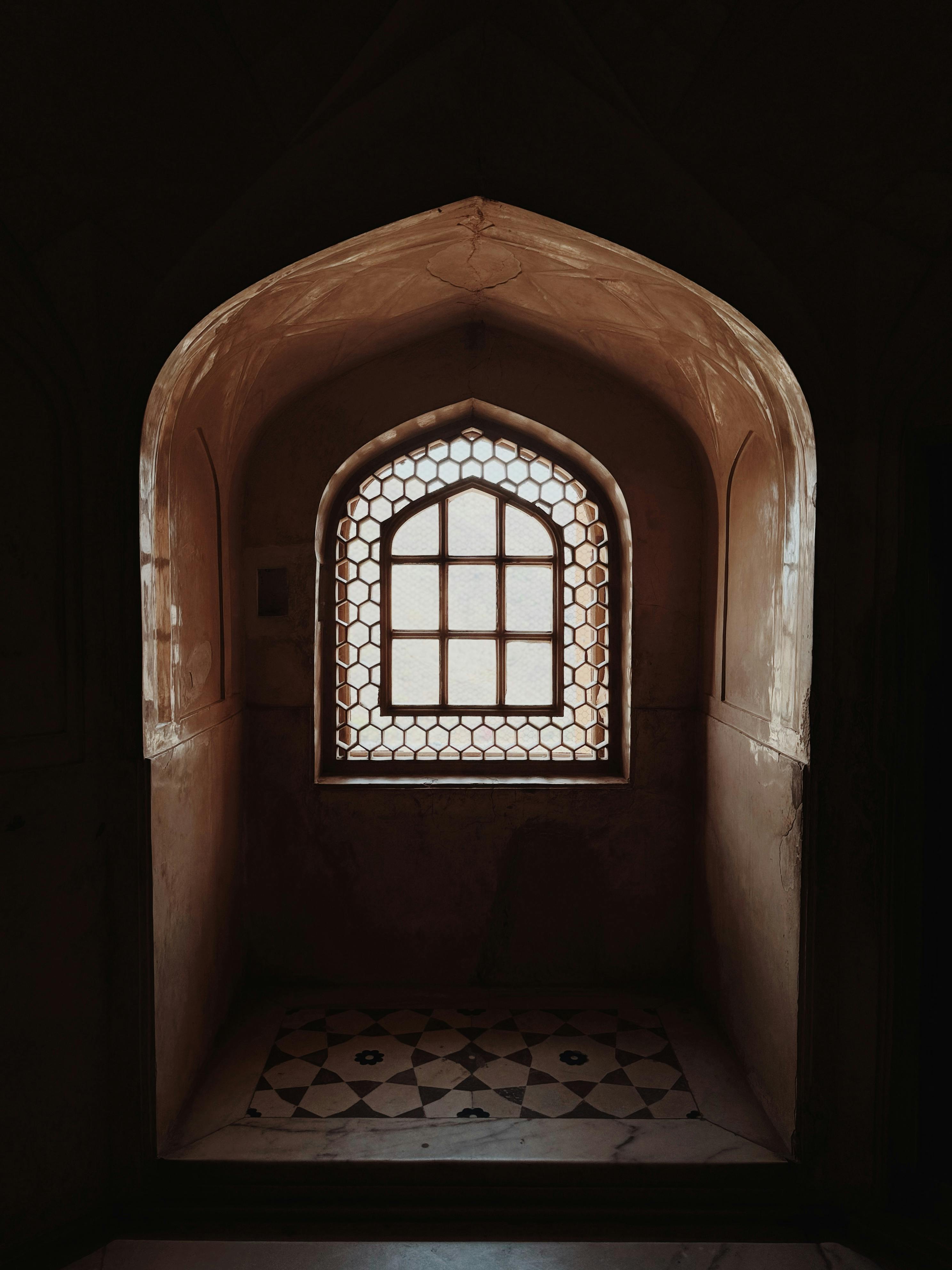
5. Egyptian Mashrabiya
The Mashrabiya is a traditional carved wood latticework screen used on the windows of buildings in the Arab world and parts of Mughal India.
The Science Behind It
It is more than just a "parda" or decoration. The small openings in the lattice increase the wind's velocity as it passes through the Venturi Effect. Additionally, the wood absorbs moisture from the night air and releases it during the day, humidifying and cooling the breeze.
Practicality for our Environment
In our country, we often use massive glass windows that turn rooms into greenhouses. By adopting modern "Jaali" or Mashrabiya-style screens made of local bamboo or terracotta, we can block direct sunlight while accelerating the breeze, making a room feel significantly cooler without using a ceiling fan at full speed.

6. Indigenous Floating Plinths
In ancient Mesopotamia and traditional Bengali riverine culture, homes were built on raised mounds or flexible foundations.
The Method
Rather than fighting the water with rigid concrete dams (which eventually fail), these structures used porous foundations. Houses were built on "Vitas" (raised earth platforms) or, in extreme cases, floating rafts of organic material.
Solutions for our Landscape
As sea levels rise and flash floods become common in Sylhet and the South, we should revisit amphibious architecture. Instead of building permanent brick ground floors that get ruined by silt, we can design "buoyant" foundations that allow a house to lift during a flood and settle back down afterwards, a technique perfected by ancient marsh-dwellers.
In a land defined by shifting rivers and rising heat, our architecture must be as adaptive as our history. If we combine these ancient blueprints with modern materials, we can build cities that don't just survive the elements but breathe with them. The solutions to our future are already written in the dust of our past; it’s time we start reading them.
 For all latest news, follow The Daily Star's Google News channel.
Comments