


How to Future-Proof Your Property in Bangladesh

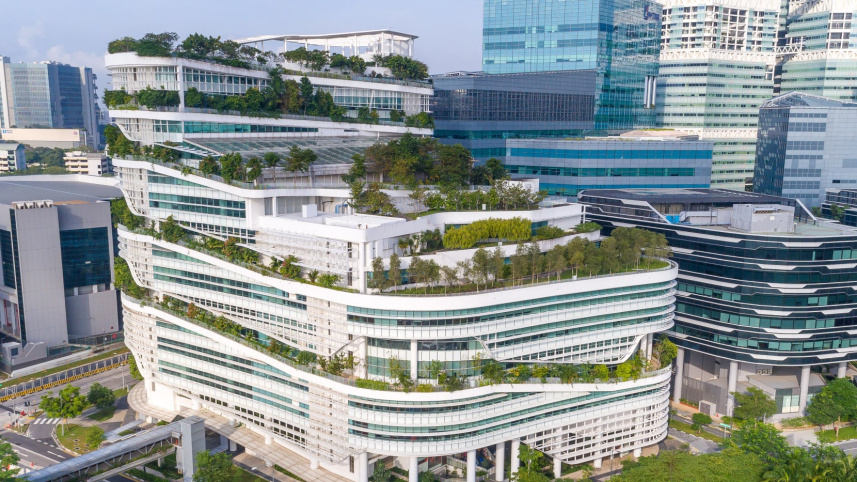
In the heart of Dhaka or Chittagong, the "luxury" of a property is no longer just about Italian marble or gold-plated fittings. As temperatures soar to 40°C and monsoon rains turn streets into rivers, the new definition of luxury is resilience.
Climate-proofing your property is the art of making your home a fortress against heatwaves and waterlogging while drastically reducing your utility bills. Here is how you can transform your apartment or villa into a sustainable sanctuary.

The Sponge Effect
One of the most common sights in many global apartments is a beautifully designed home surrounded by a flooded driveway. Traditional concrete driveways act as a barrier, forcing rainwater to pool on the surface. Dhaka is also adapting this method into its modern apartments these days.
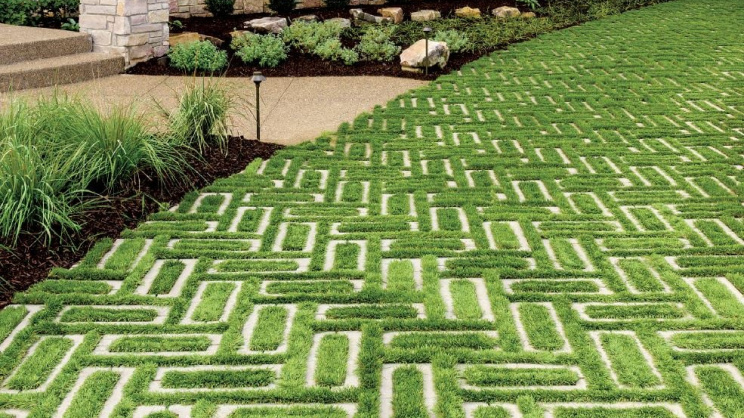
Grass Pavers (or permeable driveways) act like a sponge. These are cellular grids—often made of recycled plastic or concrete—that allow grass to grow through them while providing a stable surface for cars.
Instead of contributing to urban flooding, your driveway allows water to seep directly into the ground, recharging the water table and keeping your home’s entrance bone-dry even after a heavy downpour.
The Power of Battery Storage
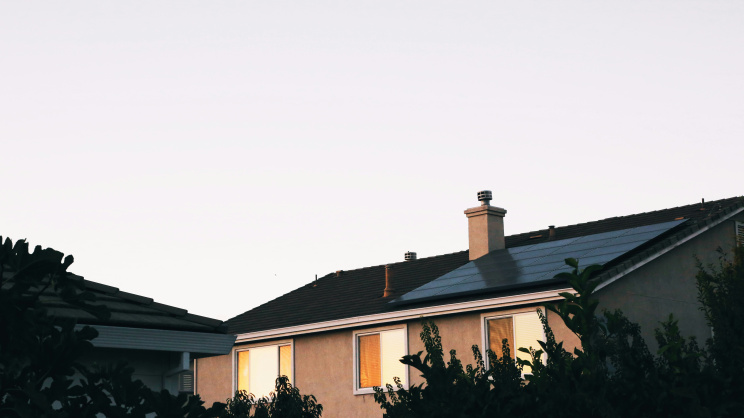
While many buildings in Bangladesh install solar panels to meet government mandates, they often fail to provide power during a blackout. Solar battery storage is the game-changer.
Is it a better investment?
Yes. Standard panels only work when the sun is out or when the grid is active. Integrating a Lithium-ion battery system allows you to store excess energy generated during the day. During a summer heatwave or a sudden load-shedding, your home remains cool and powered without relying on noisy, polluting diesel generators. It turns your home into a self-sufficient energy island.
Keeping Cool Without the AC bill
- Thermal Mass & Insulation: Use hollow bricks or roof insulation (like foam or reflective white paint) to stop heat from entering the walls.
- Cross-Ventilation: Ensure windows are placed on opposite sides of the room to create a "wind tunnel" effect, which means opening windows on opposite sides, creates a path where fresh air is pulled through the home, flushing out heat and making cooling far more efficient than single-sided ventilation.
- External Shading: Install louvers or work on south-facing windows. This blocks the direct sun but allows natural light and breeze to enter.
Harvesting the Monsoon
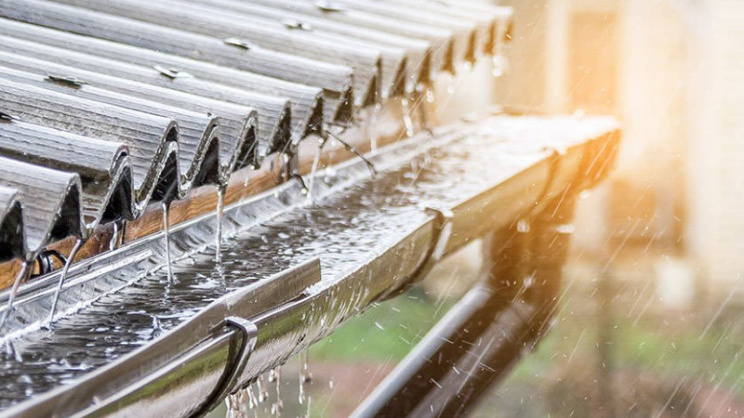
In a modern city apartment, we often waste thousands of liters of rainwater. Rainwater Harvesting (RWH) systems for urban buildings involve catching rain from the roof, passing it through a simple sand-and-gravel filter, and storing it in a dedicated tank.
While you may not drink it without advanced filtration, this water is perfect for flushing toilets, washing cars, and watering balcony gardens.
During the peak of summer when the city's water supply runs low, an RWH system ensures your household remains operational and independent.
Does Resilience Increase Resale Value?
A climate-proofed home is objectively worth more. Modern buyers are "utility-conscious." A property that promises 30% lower electricity bills, no waterlogging issues, and its own backup power is a high-demand asset.
While the initial setup for solar storage or grass pavers might be 10–15% higher, the payback period is short. In 5 to 7 years, the savings on bills cover the cost. Furthermore, as Bangladesh moves toward "Green Building" certifications, these features will soon be the standard for premium real estate.\
 For all latest news, follow The Daily Star's Google News channel.
 Climate-proofing your property is the art of making your home a fortress against heatwaves and waterlogging while drastically reducing your utility bills
Why Sustainability Matters in Bangladesh
Sustainability in apartments isn't just about the environment; it’s about longevity. Concrete buildings in high-humidity zones like Bangladesh suffer from dampness and cracks. Sustainable architecture uses breathable materials and proper drainage to ensure the structure lasts 50% longer. By maintaining a sustainable home, you aren't just saving the planet but you are protecting your most valuable financial asset.
Comments