A personal essay
In our family, August 15 was a bit of a conundrum.
Having been born a mere two decades or so after Independence, in the post-Nehruvian era, I grew up in the throes of a fledgling nation that was battling poverty, disease, unemployment, low literacy rates and more.
In spite of all these hurdles, we had the impression that we were racing to get ahead in the battle for progress among nations in the 70s. Maybe we were succeeding on certain occasions. At least, we thought so.
The narratives upheld at school, in newspapers and in the Films Division documentaries screened mandatorily before every movie ingrained in us a sense of self-worth as Indians. Though we were new on the world stage, we were actively getting somewhere.
A sense of national identity and patriotism was actively nurtured through songs, poetry, the retelling of stories of freedom fighters and our history books, which beautifully (and factually) told us about the rich and varied history of our land through the ages.
Independence Day celebrations at school were always prepared for and planned well in advance, just like Christmas celebrations. We memorised and practised patriotic songs as well as Gana Sangeet (a genre peculiar to Bengal that could be nationalistic, patriotic or, literally, people’s music). We practised marching to the drumbeats of “Chol Chol Chol” (composed by Kazi Nazrul Islam), learnt the intricacies of hoisting the national flag and memorised all sorts of trivia from the freedom movement.
At home, however, it was a different story.
While my parents (both born in pre-Independence India) were somewhat vague about the fervour surrounding Independence Day, my two grandmothers (our only surviving grandparents) always referred to that event as Partition.
Never in all the years they had remaining, which they spent with us through the many events of our lives, did they ever call it anything other than Partition, and not once did I ever see them express any joy or triumph on this occasion.
When I was a child, with all the naivety and insouciance of youth, I often wondered why they were obsessed with Partition and why they never thought much of the flag-hoisting, chest-thumping celebrations that took place every year.
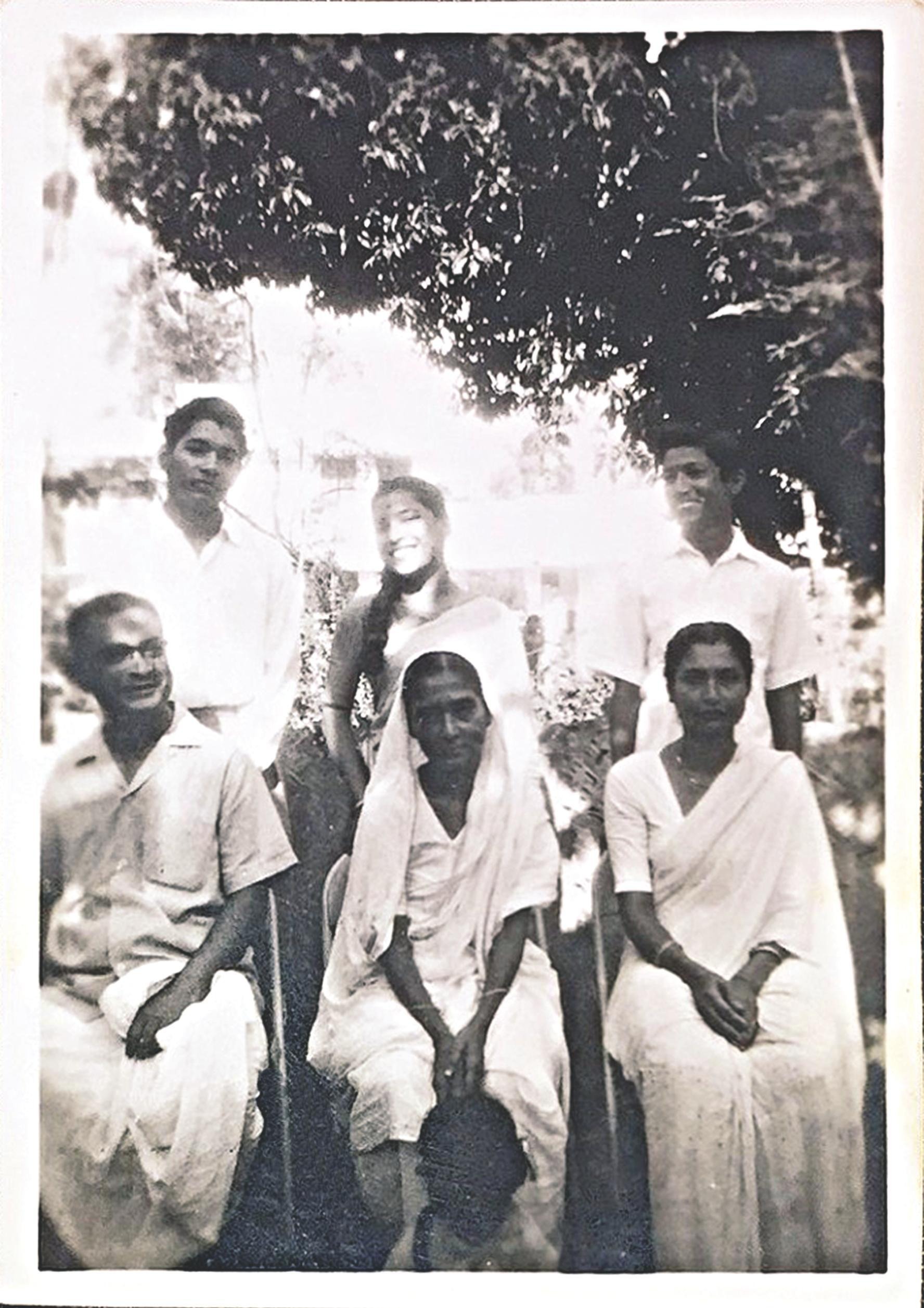
Only as I grew up and came to know the reality of our Independence and the ruthless history of the Partition of Bengal did I understand the rationale behind their response.
There were certain narratives and benchmarks that were ingrained in us from childhood, bizarre belief systems that we accepted as quite normal.
Firstly, we knew early on what the word “refugee” meant: primarily, people who came to Calcutta from East Bengal, who had once led reasonably well-to-do lives but were now, strangely, quite poor. I never pondered this but accepted it as a fact of life, as if this was what happened to everyone. Having only recently relocated from Delhi, where a large Punjabi population also had similar stories to tell, my belief that this state of affairs was commonplace was reinforced.
Education was paramount, and that was the only way we could make it in life. That was our only inheritance, not land or property or piles of stocks, most of which were not worth the paper they were printed on after August 15, 1947.
Waste of any kind was unholy and could possibly invite divine retribution.
There were grand houses and homes across the border that once upon a time belonged to our families but, mysteriously, were not ours anymore. Some had been taken over by the Government of Bangladesh (as it is now) and repurposed as offices.
These ideas obviously took on different forms as we grew older, but they had built a strong foundation in our memory bank.
We still had relatives across the border who visited us very rarely (in my memory, most visits were post-1971), but who always returned to East Pakistan, saying that was their land and they could never leave it.
After our grandmothers’ passing, we did not know what happened to them.
My maternal grandmother’s father was alive until the mid-1970s. He had stayed back in his old, crumbling mansion in Faridpur district. She always pined for him and took a few trips to see him as well, during which we all held our breath, wondering if she would come back.
My paternal grandmother lived in the futile hope that the Partition fiasco would soon be over and she would go back to her old family home in Dhaka. We never had the heart to disabuse her of this notion.
Later in life, when I was an adult and was able to think of my grandmothers from a broader perspective, rather than simply as chief caregivers and a refuge from overly strict parenting, I wondered at the lives they had led.
Born to wealth and certainly luxury, and married into large families with every expectation of a comfortable life, they were suddenly thrust into comparative penury, instability and insecurity.
While my maternal grandmother responded with energy, wit and remarkable presence of mind to her new reality, my paternal grandmother sank into despondency. Cooking and reading became her only comforts.
However, one thing was common to both: a total eschewing of personal comfort and desires. It seemed that every last drop had to be sacrificed at the altar of family resurrection and rebuilding.
For the most part, they felt justified in doing so; however, it took an untold toll on their health. Though both lived well into their eighties, now, as a mature woman in free India with an authoritative independence that even my teenage self possibly could not have envisioned, I am appalled and grieved by the compromised lives they led.
Was it all due to Partition, or were those the social codes they lived by?
A major part of it was due to Partition, without a doubt.
When I first knew my grandmothers, they must have been in their early forties. Even in those times, it was not exactly old age. They were active women in and around the house.
However, my memory of them is as old women. Neither had any teeth (which made them even more lovable and cuddly), and they always wore the softest white sarees. It was only much later that I realised they had practically no healthcare worth the name. They would not even hear of it if it was offered. It would have been called pandering and a waste of resources.
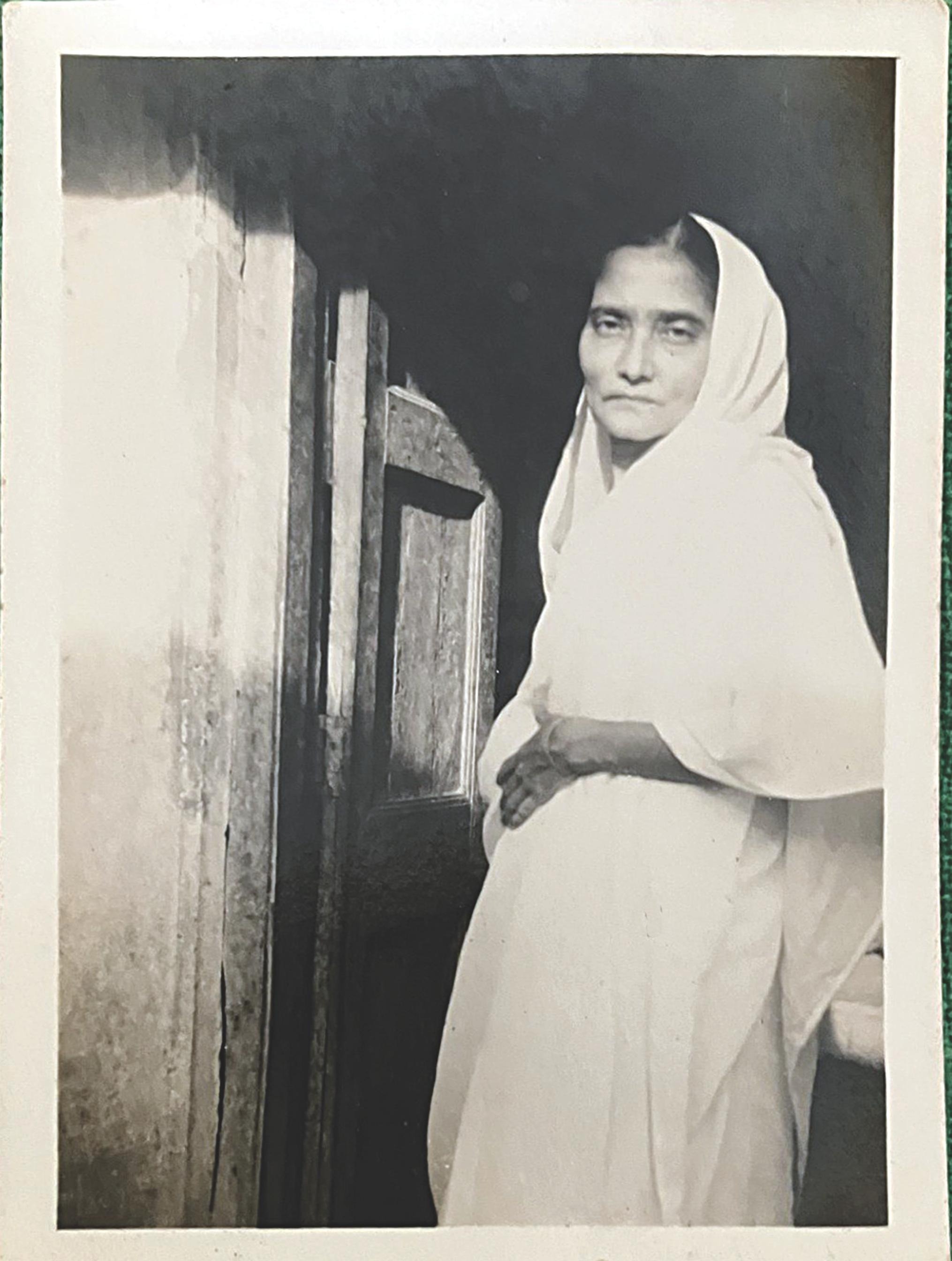
Their cotton tant (handloom) sarees were re-worn and washed over and over again by hand. That is how they acquired that comforting texture.
Our favourite pastime was washing our hands after eating and wiping them on the pallu of their sarees.
My paternal grandmother, however, followed the strict rules of Hindu widowhood. If we touched her after eating non-vegetarian food (which was our normal diet), she would have to bathe and change her clothes. With the cruelty of the very young, we often teased her by pulling at her saree, never bothering to consider that she would actually have to bathe again.
My maternal grandmother was less hidebound. She continued to eat non-vegetarian food after the death of her husband and paved the way for her granddaughters to further her iconoclastic take on life. However, I never saw her wearing anything other than a white tant saree.
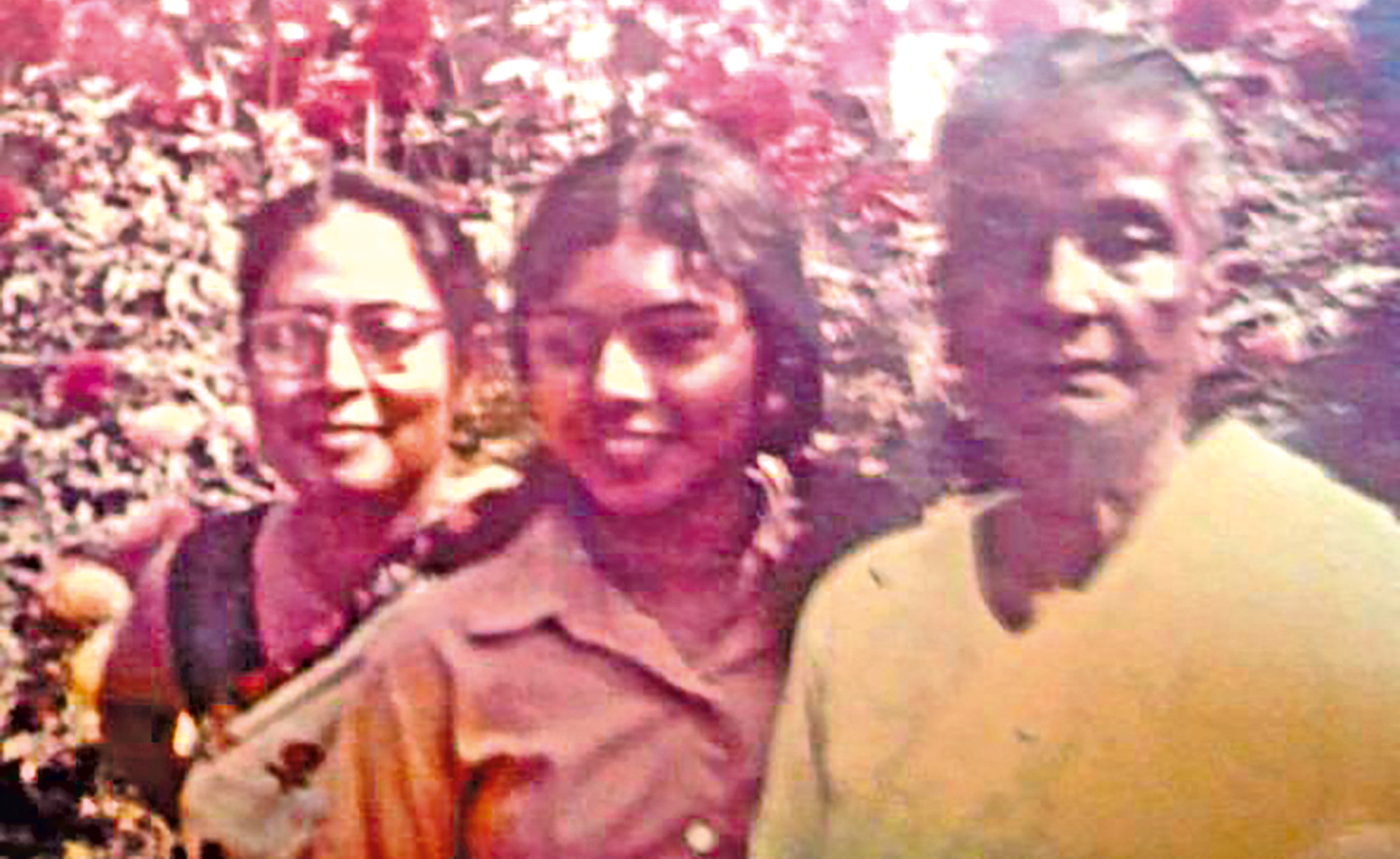
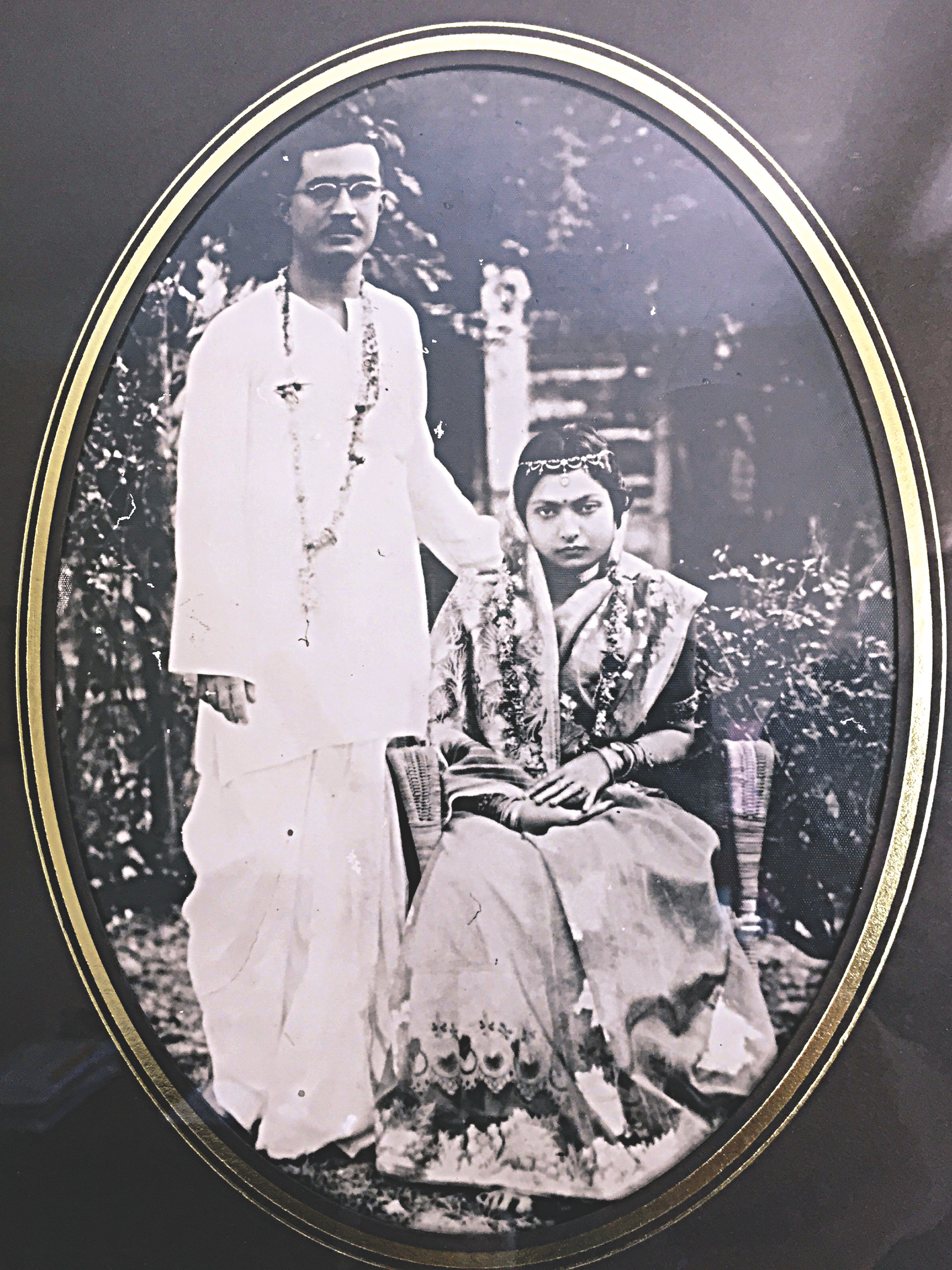
We knew that both our grandmothers had been very presentable young women. A few surviving black-and-white photographs bore testimony to that. They had made advantageous (to quote Austen!) marriages too. However, all of that came to naught after the events of 1947. Though some property was left on this side of the border, where they moved lock, stock and barrel, it was in no way commensurate with what they had lost.
I never heard either of them bemoan their fate or lost lifestyle even once. They did regale us with stories of their youth, which we found hugely entertaining, but never once were these stories tinged with bitterness or a sense of loss. They got on with life. However, their experiences did imbue them with an extraordinary sense of caution, purpose and a passion for achievement (for their families), along with a severe dislike, bordering on contempt, for what was perceived as failure.
Among all the relatives and extended families who had fled East Pakistan (which is what they called it even post-1971), theirs had to be the best, with achievements in academics, jobs and whatever constituted the prevailing gold standard of accomplishment in independent India at that time. For the most part, they succeeded, but this also instilled in subsequent generations an unrelenting quest for excellence in all things.
One’s own achievements were paramount and the only source of stability; all else was ephemeral and could be taken away at any moment. Daily life was stressful. Cultural and artistic pursuits, the cultivation of knowledge and creativity, and perfection in the daily business of life, which had been part of their routine lifestyle, had to be conjured out of nothing. Dropping standards was not an option. The children and grandchildren lived with the daily demands of rising to these standards. Fear of failure was a gift handed down through generations. The old order was gone, and we had to find the new order and conform to it. Not everyone was equal to the task.
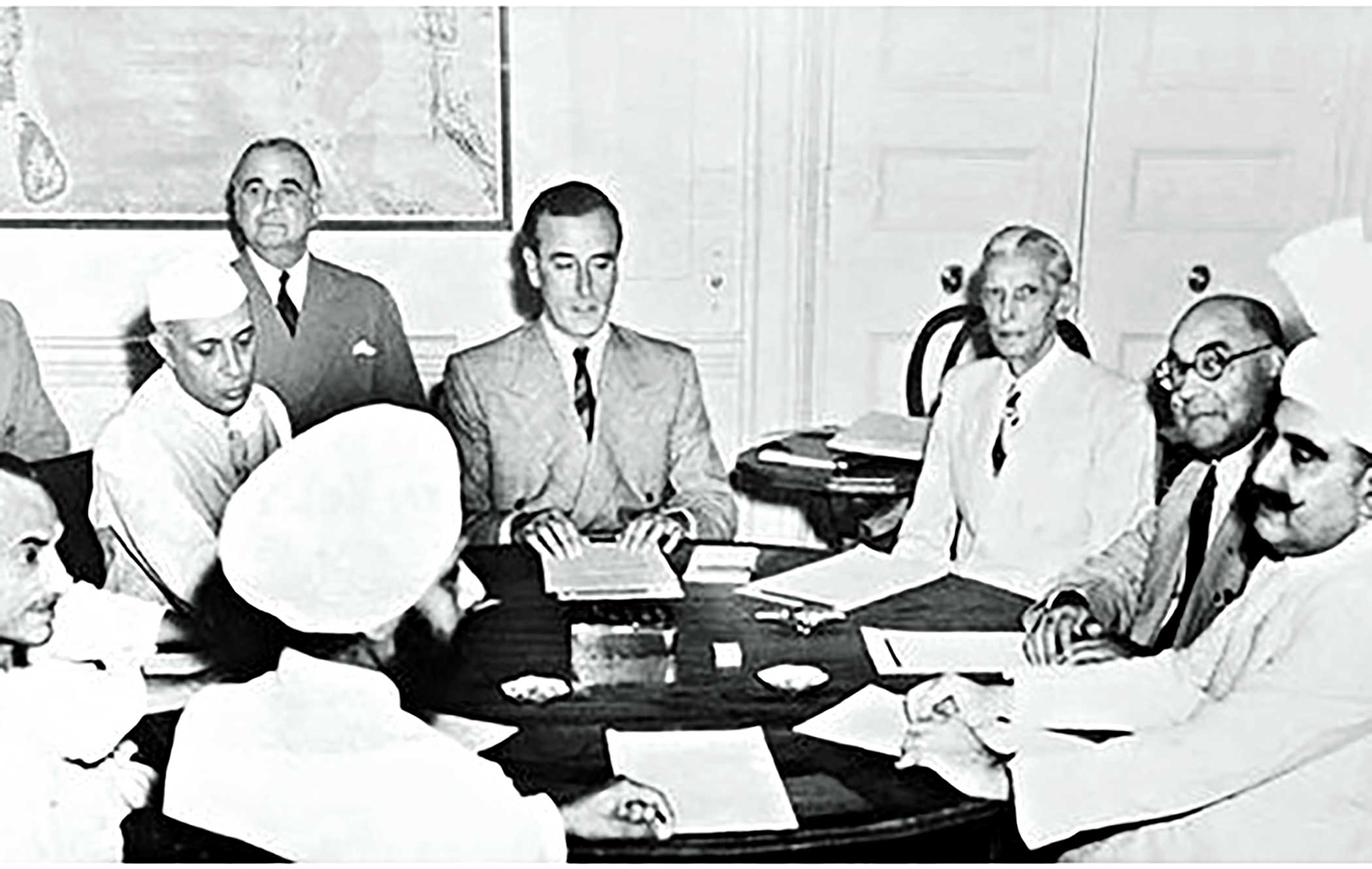
Another common thread in their opinions and ideas was a severe dislike of Nehru and Gandhi. In their minds, they were the prime architects of the disaster of Partition and had done nothing to protect the refugees from East Pakistan. The drawing of the Radcliffe Line and the way it broke up districts and homes in Bengal were forever hot topics of debate.
Their dislike of Nehru and Gandhi was visceral, but never once did they try to contradict the narrative that was taught to us in school and that we believed in. Nehru and Gandhi had brought India out of the darkness of British rule; they had given us a modern, progressive India where everyone was equal. Except that was not the case!
Life was not all about making ends meet, though. There was time for fun and other pastimes. My maternal grandmother was an avid card player. She and a younger sister of hers played bridge and, many a time, I saw her playing solitaire when no partners were available. Both were avid readers, and a little library tucked away in the bylanes of Park Circus had an extraordinary collection of books to which they were addicted. (I don’t see that library any more; lost with the people of the greatest generation, I guess.) These included Bengali translations of James Hadley Chase, Alistair MacLean, Harold Robbins and others. Aside from their reading of Sarat Chandra, Rabindranath, Parashuram, Syed Mujtaba Ali and Bankim Chandra, these books were a hot topic of discussion between the two. The Godfather franchise was a favourite watch! They remembered the times when they had to hide copies of the banned Ananda Math (Bankim Chandra) to read it, or the novels of Sarat Chandra, which were frowned upon by their family elders as “love stories” that ruined young women, and, I suppose, rejoiced in the literary “freedom” they had achieved.
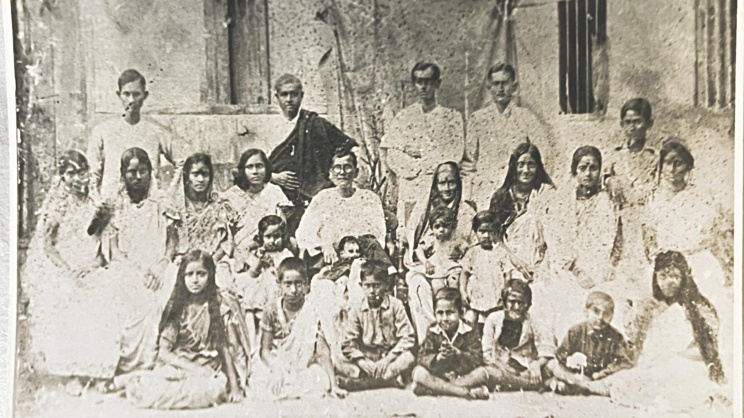
1971 was a watershed year for both. While they had heard horror stories from their few relatives left across the border about the atrocities committed by Pakistan in the eastern part of their country, the war itself saw them displaying a distress and concern that broke through their normally calm, placid and unruffled exteriors. They became glued to the radio, anxiously following every news bulletin. My maternal grandmother repeatedly visited Sealdah and Howrah stations, scanning the influx of refugees for anyone she might know. It was a very distressing time. The creation of Bangladesh did not bring them any succour either; there was the constant fear of life as a minority in a land once known as home. Not so long before, they had been influential citizens of what was now a newly born nation.
Surprisingly, however, that did not make them ill-disposed towards or prejudiced against the Muslim community at any time. I never heard them utter a single communal opinion or espouse any communal ideas at any point, ever. They knew well how to differentiate between individuals trying to get on with life on the ground and political opportunism.
While my paternal grandmother was already in India (at one of the family homes in North Bengal) at the time of Partition, my maternal grandmother was at their family home in Kushtia (Nadia District, now in Bangladesh), as she had just given birth to a premature baby boy. My maternal grandfather, who was an advocate, was in jail, having been imprisoned by the British government due to his involvement in the freedom movement. The rest of the family and her older children were already in Calcutta.
In August 1947, when the dark clouds of rioting and violence were looming over Bengal, she and a faithful old manservant who had remained behind with her saw an armed crowd gathering on the opposite bank of the Garai River from where their mansion was situated.
My maternal grandmother, who must have been in her mid-twenties by then, wandered through her marital home one last time. She took a look at the trees she had planted in the orchard and the flowering plants in the garden. She went to the cowshed and ran her palms over each cow, including the plump little Jersey cow gifted to her on the birth of her eldest son. She then untied them one by one and led them out so that they would not starve with no one to feed them. She picked up the baby, tied her jewellery in a bundle and, accompanied by the old manservant, took the long walk across the freshly drawn border in the dead of night towards Calcutta.
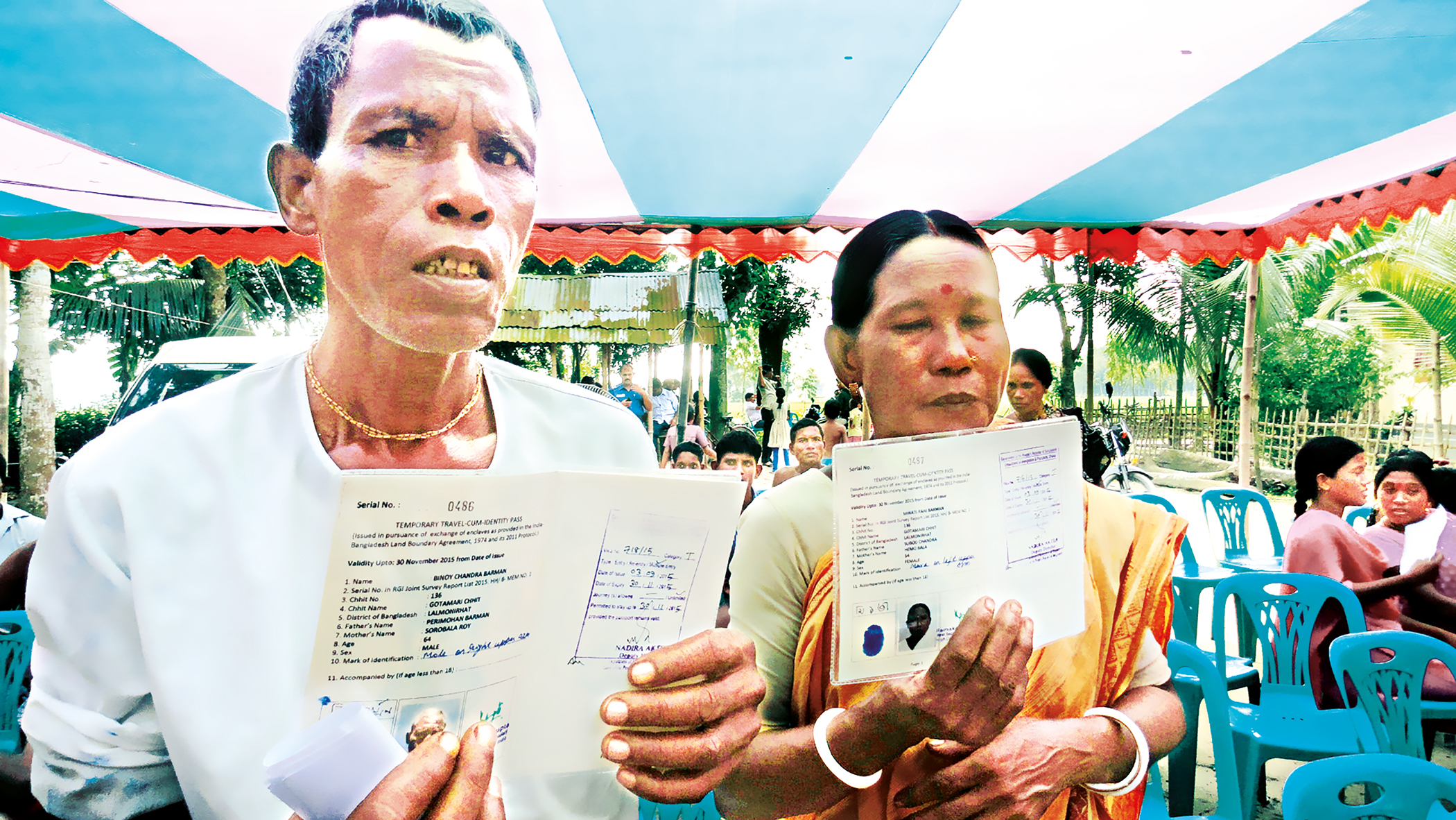
This indomitable spirit and courage stood her in good stead throughout the vicissitudes of her life.
True to the notions of womanhood in East Bengal, our grandmothers were encouraged to be feisty and to speak up for their rights.
In those times, my paternal grandmother, who came to her marital home as a teenage bride, was encouraged by her own mother-in-law not to pander to her husband’s demand for hot luchis to be served to him for dinner every night!
Their talents were many, chief among them a mastery of the culinary arts.
While my paternal grandmother stuck to the tried-and-tested traditional dishes, my maternal grandmother was in favour of enhancing her skills by trying out new recipes of her own devising.
The sparse and positively rudimentary kitchen equipment that they had to work with to turn out these delectable, mouth-watering dishes is unbelievable by today’s standards.
Delicate embroidery, horse riding and swimming were among my maternal grandmother’s other skills, most of which she had to give up in her new life.
However, she never ceased to enthral us with stories of her feisty zamindarin grandmother, her gang of lathiyals, the stealing of ponds and water bodies (a popular activity, it seemed, in 19th- and early 20th-century Bengal), travelling down the river in a barge, and real-life stories of armed dacoits, without ever displaying the slightest trace of resentment or regret.
Both women died well into their eighties. One died after a general decline following confinement to her bed due to osteoporosis-related causes, and the other from cervical cancer. I suspect both carried hearts heavy with grief as well, which was revealed only in an occasional word or two in their later years. They had some satisfaction in seeing some of their children and grandchildren become achievers in the battle of life, which had become their sole objective since 1947. They left behind a void in their families which was surprising, considering how unacknowledged their contribution to the stability, growth and success of the lives to which they had devoted themselves had been.
I have not mentioned the names of these two women, as they were fiercely private people and would not have appreciated their stories being made public. Neither have I mentioned the affectionate diminutives by which we used to call them. That would be a breach of privacy and a betrayal of trust, even though they are no more.
I hope you enjoyed reading their story.
Sunita Chowdhurie is a career professional in the corporate sector who had a long stint with the Tata Group. She has always enjoyed writing on the arts and other topics close to her heart. She has occasionally written for The Hindu, The Quint, The Statesman and The Telegraph, among other publications. A trained Bharatanatyam dancer and a former graded artist of Doordarshan, her first love has always been classical dance.
Send your articles for Slow Reads to slowreads@thedailystar.net. Check out our submission guidelines for details.
Abul Mansur Ahmad / A global quest in search of a nation
Chand Bibi and the forgotten history of Muslim women’s political resistance
Women’s voices in Nazrul’s Dhumketu
How Milad-un-Nabi shaped Muslim cultural life in colonial Bengal
What Rashomon teaches us about truth and human behaviour
Why Chittagong never became a maritime city
The many worlds of Ghulam Murshid
Operation Jackpot: How Bangladesh’s naval commandos struck at Pakistan’s lifeline in 1971
The Yellow Butterfly: How Sheba shaped my world growing up