


Choosing curtains for your apartment

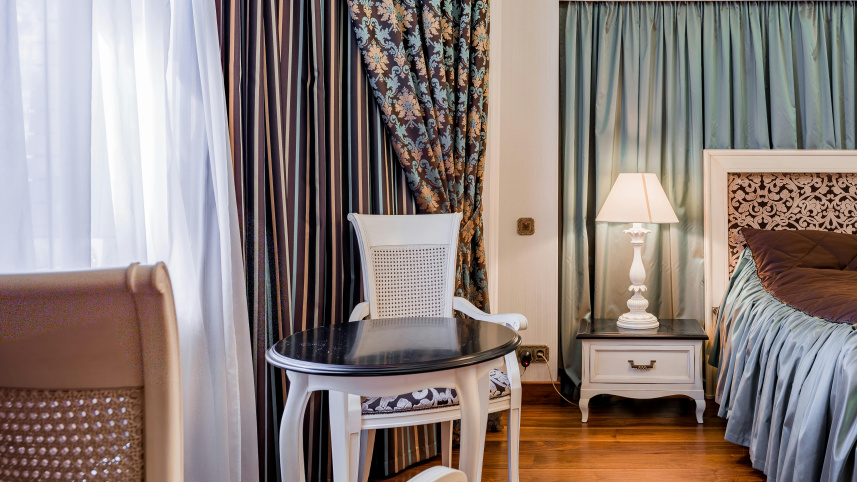
In urban apartments, particularly in cities like Dhaka, curtains are no longer just about privacy. They shape how light enters a room, influence temperature, soften acoustics and ultimately determine how a space feels throughout the day. As apartment living becomes more standardised, curtains have quietly become one of the most effective tools for personalising interiors.
However, choosing the right curtains is not simply a matter of colour or pattern. It depends on room function, sunlight exposure, fabric type and how the space is used on a daily basis.

Curtains do more than cover windows
The primary function of curtains is often understood as blocking light or ensuring privacy, but their role is far broader. In Bangladesh’s climate, where sunlight can be intense and prolonged, curtains act as a passive cooling mechanism. Thick fabrics can reduce heat gain during the day, while lighter materials allow ventilation without fully exposing the interior.
Curtains also influence the perception of space. Floor-length curtains can make ceilings appear higher, while lighter colours create a sense of openness in smaller rooms. Heavier fabrics, on the other hand, introduce a sense of formality and enclosure.
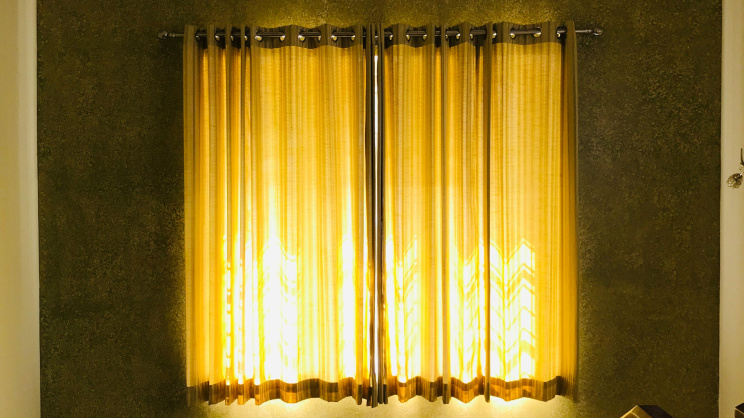
Noise reduction is another overlooked benefit. In dense urban environments, curtains help absorb sound, reducing echoes and slightly dampening external noise. This becomes particularly noticeable in apartments with tiled or concrete surfaces, where sound tends to travel easily.
Choosing curtains for different rooms
While preferences vary, curtain selection should always reflect how each space is used. Living and drawing rooms typically benefit from layered curtains. A combination of sheer panels and heavier drapes offers flexibility throughout the day because sheers diffuse daylight while thicker curtains provide privacy and insulation when needed. These spaces also allow for more experimentation with textures and subtle patterns, as they are more public-facing.
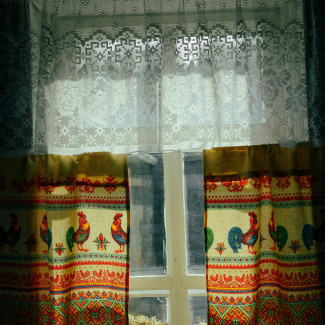
Bedrooms require greater control over light and privacy. Blackout curtains are often the most practical choice, especially in areas exposed to street lighting or early morning sun. Pairing blackout curtains with lighter sheers allows for both daytime brightness and complete darkness at night. Heavier fabrics also help regulate indoor temperature, though breathability remains important in humid conditions.
Dining areas and transitional spaces call for a more balanced approach. In open-plan layouts, lighter or semi-sheer curtains help maintain visual continuity while softening the space. For windows closer to kitchens, shorter curtains or more manageable designs are often more practical, as they are less likely to absorb odours or require frequent maintenance.
Understanding curtain materials
Fabric choice plays a central role in both performance and maintenance. Cotton remains a widely used option due to its breathability and affordability, making it suitable for everyday use. Polyester and blended fabrics are valued for their durability, wrinkle resistance, and ease of maintenance, particularly in high-use areas.
High-end curtains, made from premium materials such as linen blends, heavy jacquard, or velvet, can range from BDT 7,000 to BDT 15,000 or more per panel, depending on the brand and finish.
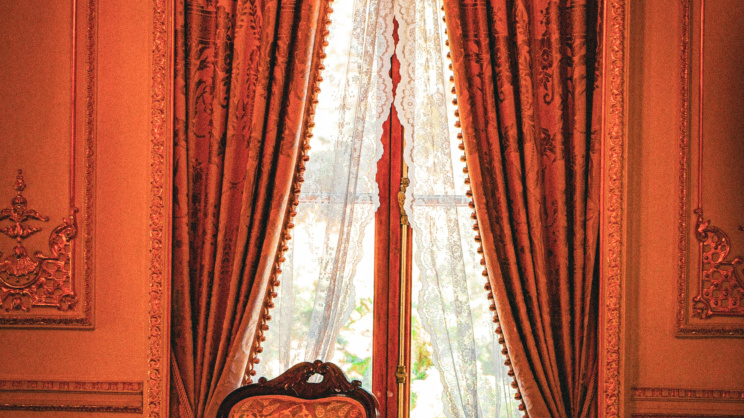
Linen offers a more refined, textured appearance but tends to require more careful handling. It works well in spaces where aesthetics are prioritised over heavy usage. On the other hand, heavier materials such as velvet or jacquard provide better insulation and light blocking but are typically reserved for more formal settings due to their weight and upkeep requirements.
Maintenance should not be overlooked. In urban environments, curtains collect dust quickly. Lightweight fabrics may need frequent washing, whereas heavier drapes often require dry cleaning. Choosing a material that aligns with the household’s ability to maintain it is as important as its visual appeal.
Curtain costs in Bangladesh
Mid-range options, often featuring better fabric quality, improved stitching and more refined designs, typically fall between BDT 2,500 and BDT 7,000 per panel. These strike a balance between durability and aesthetics and are common in most modern apartment
Curtain prices in Bangladesh vary significantly depending on fabric, size and level of customisation. At the lower end, ready-made curtains made from synthetic blends or basic cotton fabrics can start from approximately BDT 800 to BDT 2,500 per panel. These are widely available and suitable for budget-conscious households or temporary setups.
Custom-made curtains, which are tailored to specific window dimensions and design preferences, generally come at a higher cost. Depending on fabric selection and detailing, prices can range from BDT 10,000 to BDT 50,000 or more for a complete window setup. While more expensive, these offer better fit and overall cohesion within a space. Hardware costs, including rods, tracks and installation, should also be factored into the overall budget, as they can add a noticeable amount to the final expense.
Note: Prices mentioned are indicative and may vary depending on location, retailer, fabric quality and seasonal availability. Market rates in Bangladesh can fluctuate, particularly for imported materials or customised designs, so it is advisable to verify current prices with local suppliers before making a purchase.
 For all latest news, follow The Daily Star's Google News channel.
Comments