


Buying the Right Air Conditioner

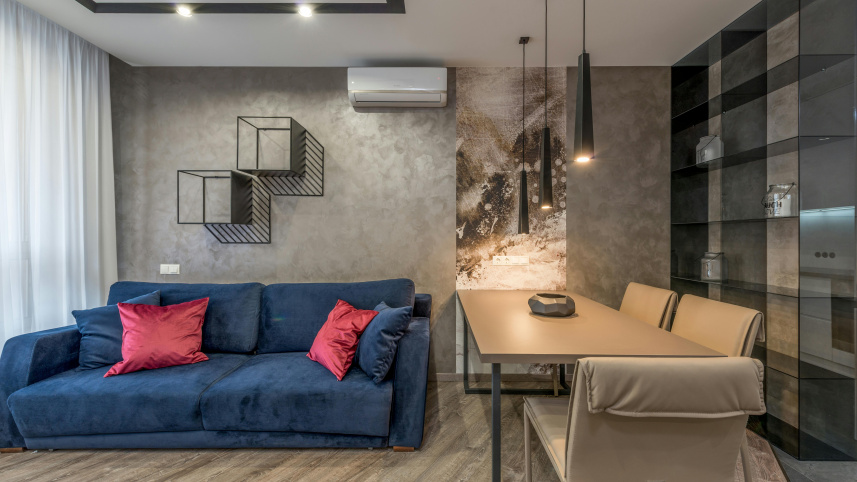
As Bangladesh’s summers grow longer and urban apartment living expands, air conditioners are becoming an increasingly common household appliance. The air conditioning market in Bangladesh has grown sharply over the past decade. Once considered a luxury product used mainly in offices or affluent homes, air conditioners are now a routine purchase for many urban families seeking relief from rising temperatures. For most households, however, buying an AC is not simply a matter of choosing a brand. Cooling requirements depend on several practical factors such as room size, building structure, floor materials and how the space is used during the day.
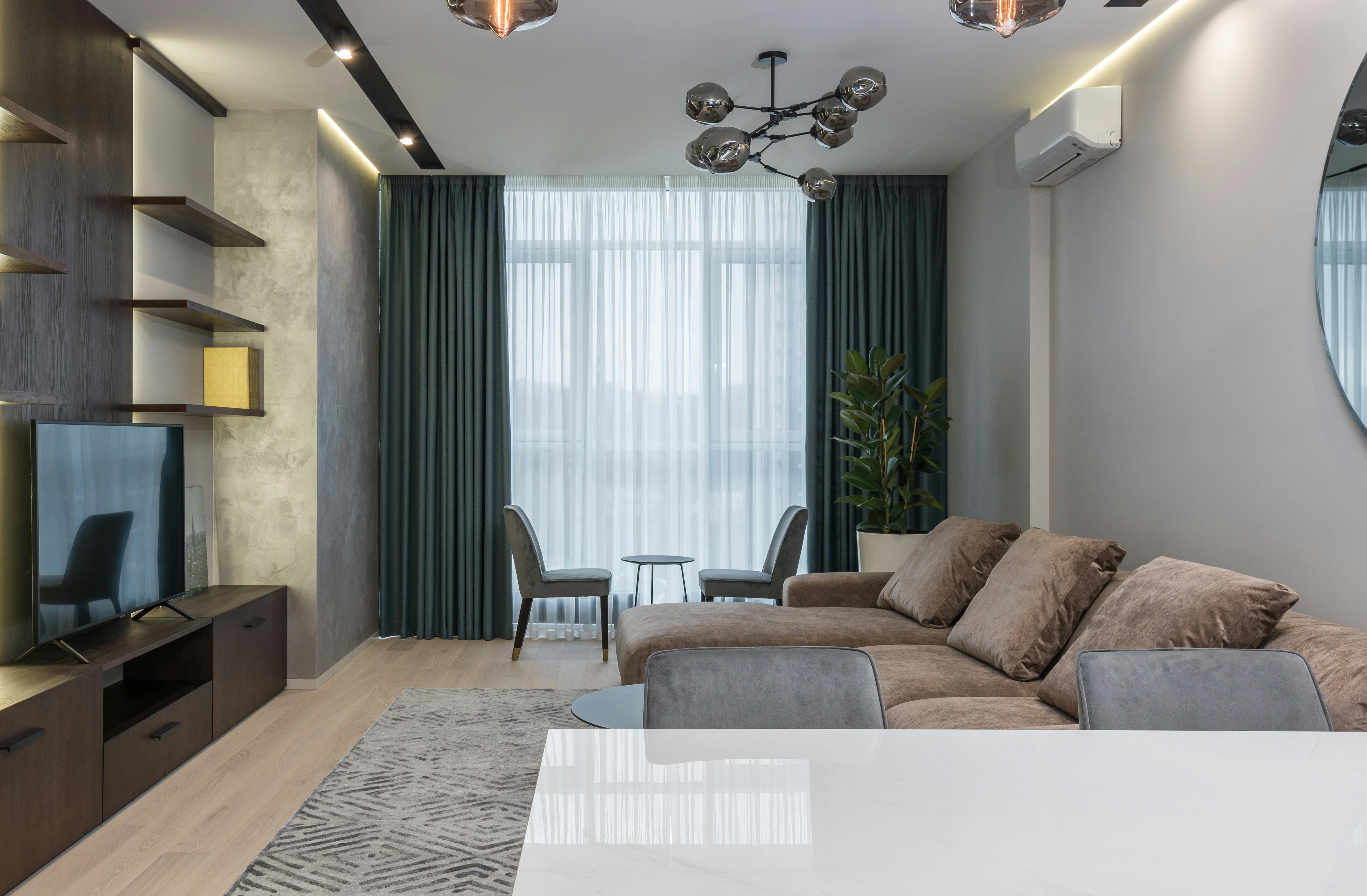
Cooling requirements depend on more than room size
The first step in selecting an air conditioner is determining the appropriate cooling capacity. Residential buyers choose between three AC capacities: 1 ton, 1.5 ton and 2 ton. For most homes, a 1-ton air conditioner is suitable for rooms around 100 to 120 square feet. Rooms measuring about 150 to 180 square feet generally require a 1.5-ton unit, while larger drawing rooms or combined living and dining areas often require a 2-ton system.
However, the cooling requirement of a room rarely depends on room size alone. The second most important factor is family size. A family of two usually produces less body heat, so the cooling demand stays lower. In contrast, a larger family generate additional body heat that increases indoor heat levels, meaning the air conditioner must work harder to maintain comfortable cooling inside the room. In that case, one need to go for a higher-capacity air conditioner than the regular one.

Thirdly, apartments located on the top floor of a building often require stronger air conditioners because roofs absorb heat throughout the day. In such cases, households may install a 1.5-ton unit in a room where a 1-ton AC would otherwise suffice. Sunlight exposure can produce similar effects. Rooms facing west or south receive stronger afternoon sunlight and tend to heat up more quickly than those facing north or east.
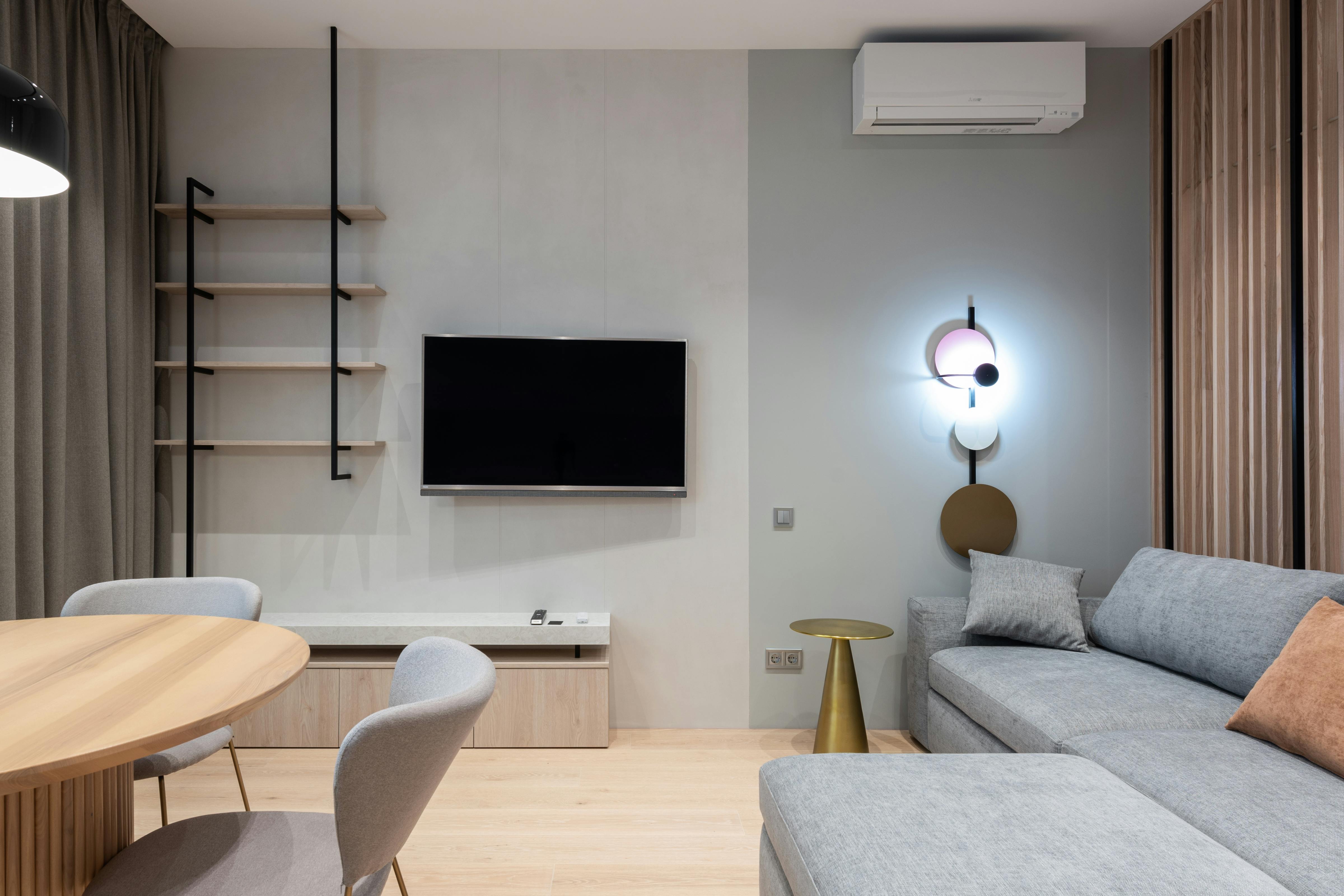
Additionally, flooring material can also influence indoor temperature. The dominant surface in urban bangladeshi homes is tiled floors. Tiles floors tend to reflect heat and cool more quickly, while mosaic or concrete floors absorb heat and release it slowly throughout the evening. Wooden flooring, increasingly fashionable in newer apartments, retains warmth longer and marginally reduces air circulation efficiency near the floor. It is not a reason to jump a full tonnage bracket, but it tips the scales when a decision is already borderline.
How different rooms in a home affect AC choice
Not all rooms of the same square footage present the same cooling challenge. Cooling demand varies according to how a space is used. Master bedrooms generally have relatively predictable cooling patterns. They are typically occupied by one or two people and doors remain closed during the day. In most apartments, a 1-ton or 1.5-ton AC is adequate for these rooms.
A drawing room or dining area is a different proposition entirely. These spaces commonly connect to corridors, face main entrances, have higher ceilings and bleed thermally into adjacent rooms. Open-plan living areas, dining room that flows into the drawing room, or a kitchen that opens into a lounge, can demand a full ton more than their measured area would suggest.
Door frequency is another consequential variable that almost nobody accounts for at the point of purchase. A bedroom door that stays shut for eight hours overnight is a controlled environment. Drawing rooms and living rooms often require larger units. These spaces tend to accommodate several people at once and doors open frequently as residents move between rooms. Each door opening allows warm air to enter and reduces cooling efficiency. As a result, many households install 1.5-ton or even 2-ton air conditioners in living areas.
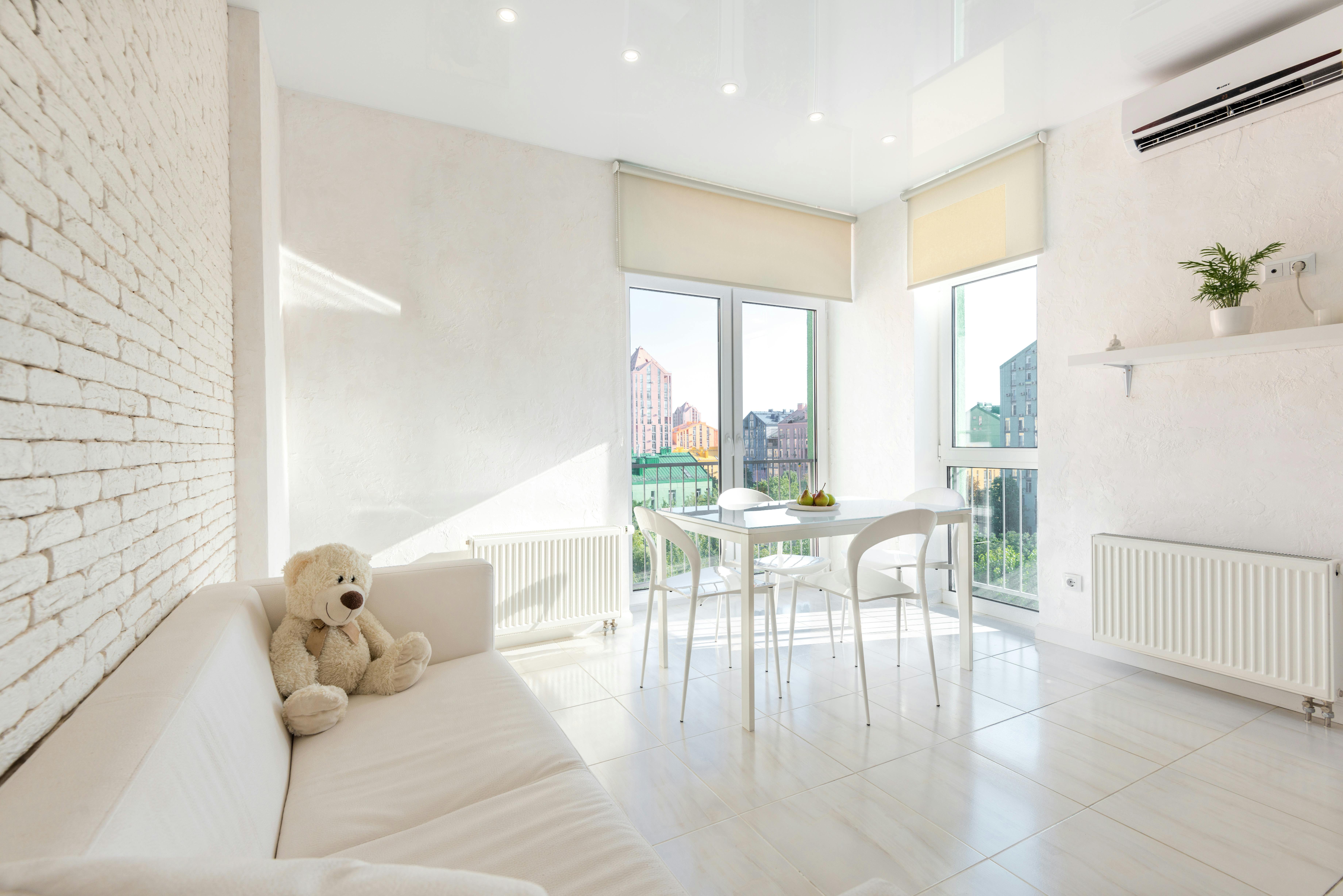
Dining spaces connected to kitchens may also require additional cooling capacity. Cooking generates heat that spreads through adjoining rooms, particularly in open-plan apartments where the dining area is not separated by walls. Frequent movement between the kitchen and dining space further increases the cooling load.
What it costs, by size and type
The price of air conditioners in Bangladesh has become relatively standardised across major brands in recent years. Even the imported market have adjusted their pricing to remain competitive in the local market, offering models within a similar range. As mentioned earlier, residential buyers market revolves around three common capacities: 1 ton, 1.5 ton and 2 ton. Interestingly, the price difference between brands offering the same capacity is usually quite small.
For 1-ton units, prices generally range from around BDT 35,000 to BDT 55,000 for non-inverter models, while inverter variants typically fall between BDT 48,000 and BDT 75,000. In the 1.5-ton segment, non-inverter models are usually priced between BDT 45,000 and BDT 70,000, whereas inverter models range from approximately BDT 60,000 to BDT 110,000. Moving to 2-ton units, non-inverter air conditioners start at about BDT 65,000 and can go up to BDT 115,000. Inverter models in this category have the widest range, from roughly BDT 80,000 to as high as BDT 150,000. Across all categories, inverter air conditioners typically cost around BDT 10,000–20,000 more than non-inverter models, reflecting their better energy efficiency and long-term savings. Major brands like Walton, Gree, Midea, Haier, Samsung, LG, and General, all are offering options across these capacity and price brackets.
Note: Prices are approximate and may vary by retailer and installation packages.
 For all latest news, follow The Daily Star's Google News channel.
Comments