


Air inside your home isn't as safe as you think: Air purifier buyer's guide

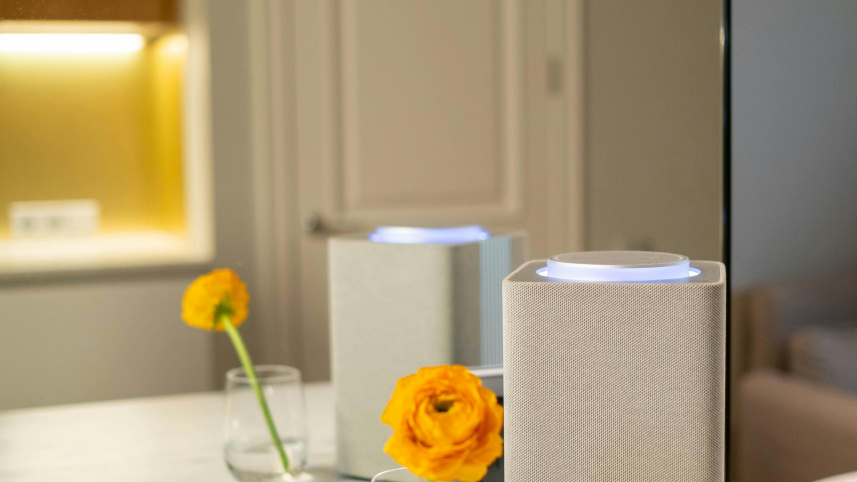
In Bangladesh’s cities, especially in dense urban centres like Dhaka, air pollution is now a year-round concern. Fine particulate matter (PM2.5), construction dust, traffic emissions and indoor pollutants have made air purifiers an increasingly relevant household appliance. Once seen as a niche product used by expatriates or high-income households, air purifiers are now entering mainstream urban homes, particularly among families with children, elderly members or respiratory sensitivities.
However, buying an air purifier is not simply about picking a popular brand. Effectiveness depends on room size, filter type, airflow capacity and how the space is actually used throughout the day.

Clean air depends on more than room size
The most important specification in an air purifier is its Clean Air Delivery Rate (CADR). This measures how much filtered air the device can deliver per hour, usually expressed in cubic metres per hour (m³/h). For a typical Bangladeshi apartment, the relationship between room size and purifier capacity is fairly straightforward.
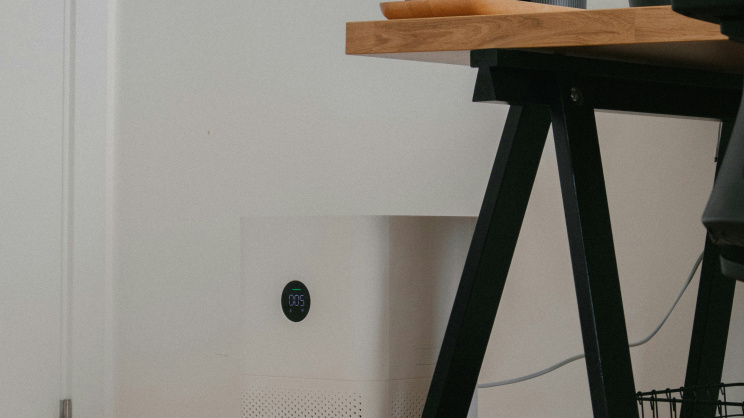
But, as with air conditioners, family size also plays a significant role. More occupants mean more dust circulation, fabric particles, and carbon dioxide build-up. A room regularly occupied by four or five people will require stronger air circulation than one used by a single person.
Ventilation is another critical factor. Apartments with open windows, frequent balcony access, or proximity to busy roads allow polluted air to continuously enter. In such cases, a higher CADR purifier becomes necessary simply to keep up with incoming pollutants. Floor level also matters. Homes closer to street level are typically exposed to higher concentrations of vehicular emissions and dust. Conversely, higher floors may face less dust but can still be affected by fine particulate matter that travels through the air.
Understanding filters: what actually cleans the air
Not all air purifiers clean air the same way. The filtration system is the core of the device. Most effective purifiers use a combination of three filters. A pre-filter captures large particles like dust and hair, extending the life of internal filters. The HEPA (High-Efficiency Particulate Air) filter is the most critical component, capturing up to 99.97% of particles as small as 0.3 microns, including PM2.5, pollen and bacteria.
Activated carbon filters address a different problem: odours and gases. In urban Bangladeshi homes, this becomes particularly useful in apartments close to traffic, industrial areas or kitchens with limited ventilation. Some models also include ionisers or UV filters, but these are supplementary features rather than essentials. In most residential settings, a reliable HEPA + carbon combination does the bulk of the work.
How different rooms change purifier needs
Just like cooling, air purification demand varies depending on how a space is used.
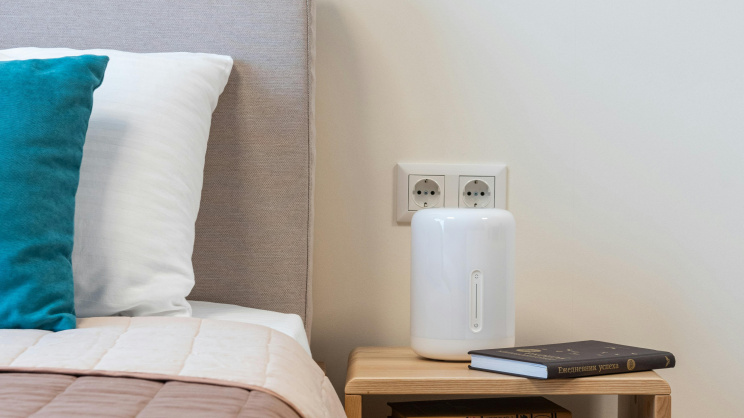
Bedrooms are typically controlled environments. Doors remain closed for long periods, and occupancy is predictable. A medium-capacity purifier is usually sufficient here, and quieter operation becomes a priority since the device often runs overnight.
Living rooms, however, are far less stable environments. They connect to other spaces, experience frequent movement, and often have doors opening multiple times an hour. Each opening introduces new pollutants, forcing the purifier to work continuously. As a result, living areas often require higher CADR units than their size would suggest.
Dining spaces near kitchens present another challenge. Cooking releases smoke, oil particles, and odours that spread quickly, particularly in open-plan layouts. In such cases, purifiers with strong carbon filters and higher airflow capacity are significantly more effective
Small bedrooms (up to 120 square feet) generally require a purifier with a CADR of around 150–250 m³/h. Medium-sized rooms (150–200 square feet) perform better with units rated between 250–350 m³/h. Larger living or dining spaces often need 350–500 m³/h or more.
Noise, placement and real-world usage
Noise is a factor many buyers underestimate. Air purifiers run continuously, often for 8–12 hours a day. While manufacturers quote low noise levels, performance modes matter. A purifier running at maximum speed to handle heavy pollution will naturally produce more sound.
Placement also affects performance. Ideally, the purifier should be positioned where airflow is unobstructed, away from walls and not tucked behind furniture. In many Bangladeshi apartments where space is limited, improper placement can reduce efficiency by a noticeable margin.
Another overlooked factor is maintenance. Filters require regular cleaning or replacement. In high-pollution environments like Dhaka, HEPA filters may need replacement every 6 to 12 months, depending on usage.
What it costs in Bangladesh
 For all latest news, follow The Daily Star's Google News channel.
 The air purifier market in Bangladesh is still developing, but pricing has become relatively structured across brands.
Entry-level purifiers designed for small rooms typically start from around BDT 10,000 to BDT 18,000. These usually offer basic filtration and lower CADR, making them suitable for bedrooms or study spaces. Mid-range models, which cover most urban household needs, generally fall between BDT 20,000 and BDT 35,000. These units typically include true HEPA filters, activated carbon layers,, and moderate to high CADR ratings.
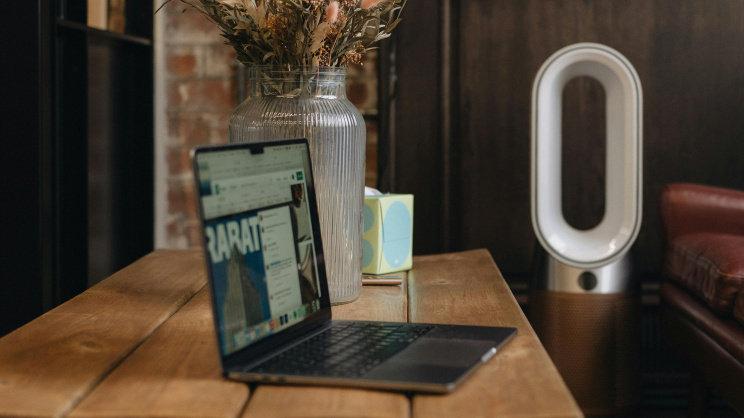
Premium models can range from BDT 35,000 to BDT 80,000 or more. These offer higher coverage areas, smart sensors, air quality displays, app connectivity, and longer-lasting filters. Brands such as Xiaomi, Sharp, Philips, Gree, Beko,, and Panasonic are among the commonly available options in the market, offering models across these price segments.
It is also important to factor in recurring costs. Replacement filters can cost anywhere between BDT 2,000 to BDT 8,000, depending on the model and brand. Over time, this becomes a significant part of ownership cost, often overlooked at the time of purchase.
Note: Prices are approximate and may vary by retailer, availability, and import conditions
Comments