


5 Technologies Developers Shouldn’t Ignore
Construction has always been a slow-moving industry compared to sectors like technology or finance. But in the last decade, that reality has begun to change. Developers worldwide are adopting smarter materials, digital tools, and sustainable systems that can reduce costs, improve efficiency, and extend building lifespans.
From advanced concrete systems to smart sensors and water-saving infrastructure, these technologies are transforming how buildings are designed, built, and maintained. For developers in emerging markets as well as global cities, understanding these innovations is no longer optional; it is essential. Here are five technologies that developers should not ignore.

Pre-Stressed Concrete
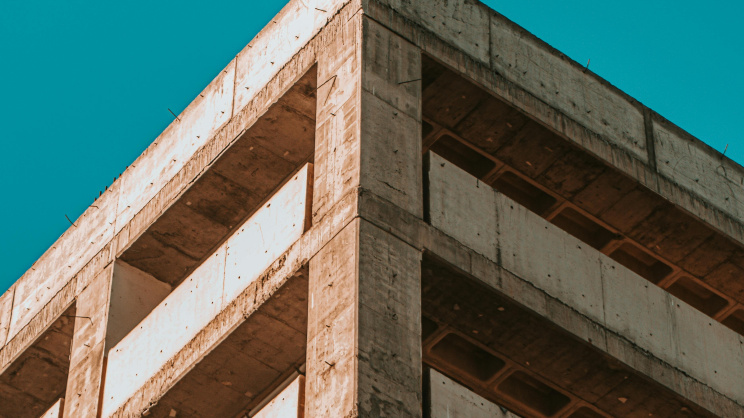
Pre-stressed concrete is one of the most important technologies used in modern construction. In simple terms, strong steel cables are stretched inside the concrete before or after it hardens. This creates a compressive force that helps the concrete resist tension and prevents it from cracking easily. This process improves the concrete’s ability to resist cracking and handle heavier loads. It also allows longer spans without requiring many columns, which is particularly beneficial in large commercial buildings, bridges, and parking structures.
Globally, High-performance versions such as Ultra-High Performance Concrete (UHPC) are being used in bridges and skyscrapers to increase durability and reduce maintenance costs.
In our local context, we can see prestressed concrete beams are commonly being used in flyovers, high-rise residential towers, and commercial complexes. Developers benefit from wider floor spans and more flexible interior layouts.
3D-Printed Homes
Construction 3D printing, often called additive construction, is quickly moving from experimental projects to real housing developments. Instead of bricks or blocks, robotic printers deposit layers of concrete according to a digital design.
The technology reduces construction time and material waste. For example, a fully functional two-storey 3D-printed house was completed in Perth using a robotic printer that extruded a specialised concrete mix layer by layer. The material achieved compressive strengths close to 50 MPa, making it durable and resistant to fire and water damage. In Houston, one large housing development is building dozens of partially 3D-printed homes designed to lower construction costs and speed up delivery.
This technology offers several major advantages in construction. Projects can be completed much faster, sometimes up to 60% quicker than traditional building methods. Since much of the work is done by automated machines, it also requires fewer workers on site. Countries with housing shortages could eventually use 3D printing to develop affordable housing or disaster-resistant homes more quickly. While still evolving, 3D-printed construction is one of the most disruptive technologies in the industry.
Leak Detection Systems
Water damage remains one of the most costly maintenance issues in residential and commercial buildings. Small leaks inside walls or ceilings can gradually lead to mould growth, structural deterioration, and expensive repairs.
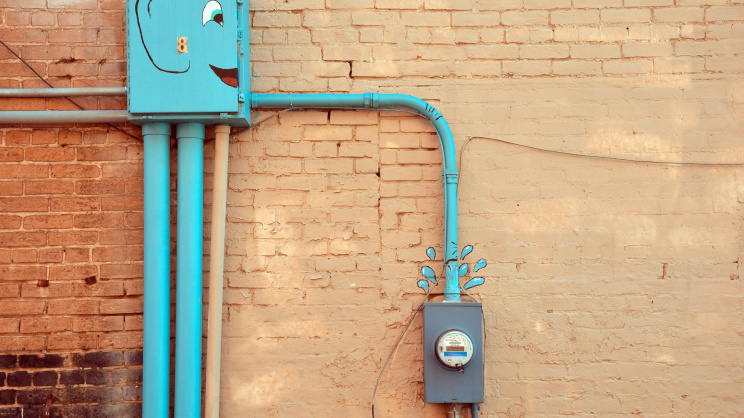
Modern leak detection systems use moisture sensors and pressure monitors installed along pipelines. When unusual moisture or water flow is detected, the system sends alerts to building managers or automatically shuts off water valves.
Advanced leak detection systems are now a standard feature in many major buildings worldwide. Shanghai World Financial Centre and One World Trade Centre have sensors installed throughout plumbing networks and critical areas such as data centres and mechanical rooms. These systems continuously monitor for leaks, sending alerts to building managers so issues can be addressed immediately, preventing costly damage and minimising downtime
Solar-Integrated Facades
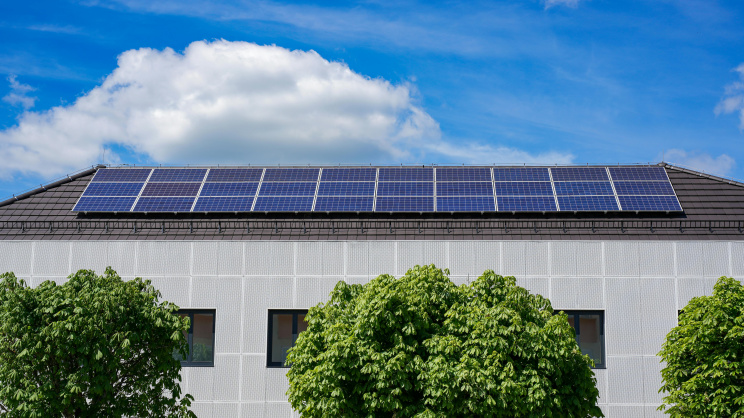
Instead of installing solar panels only on rooftops, developers are embedding photovoltaic cells directly into building facades or curtain-wall glass systems. This approach turns the entire exterior surface of a building into a power-generating system. In dense urban environments where roof space is limited, solar facades allow buildings to produce renewable energy without altering architectural aesthetics.
Greywater Recycling Systems
Greywater refers to wastewater from showers, sinks, and washing machines. Instead of sending it directly into the sewer system, modern buildings treat and reuse it for toilet flushing, irrigation, or cooling towers. This significantly reduces freshwater consumption, an important benefit in cities facing water scarcity.
Developers should adopt these technologies because they lower energy and water costs, improve sustainability ratings, and attract environmentally conscious buyers. Today, green infrastructure is becoming essential, not optional, in modern real estate development.
The construction industry is changing fast with new technologies like prestressed concrete, 3D-printed homes, smart sensors, leak detection, and green water-energy systems. Developers who use these innovations early can build more efficient, durable, and sustainable projects, creating smarter, greener, and stronger buildings for the cities of the future.
 For all latest news, follow The Daily Star's Google News channel.
Comments