


Five decades behind Bangladesh’s commercial wheels
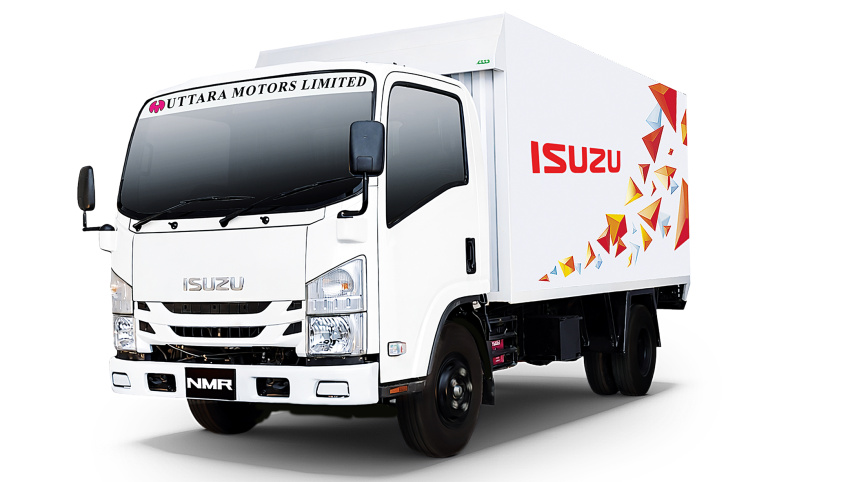
A commercial vehicle company’s history can also be read as a timeline of the economy it serves. As Bangladesh’s garment industry, construction activity and nationwide logistics expanded, Uttara Motors Limited moved from vehicle distribution towards local assembly and manufacturing. Now preparing for electric mobility, the company’s five-decade journey mirrors many of the changes that have reshaped the country’s transport sector.
A portfolio built over time

Founded in 1973 under Chairman and Managing Director Matiur Rahman, Uttara Motors secured the distributorship of Isuzu in 1981. Its trucks, buses and pickups subsequently became part of the country’s growing transport network. In 1993, the company added Swaraj Mazda Limited—later SML Isuzu and now SML Mahindra—to its portfolio, widening its range to include pickups, trucks, tippers and buses for different operating needs.
Distribution was followed by a move into domestic production. Uttara Automobile Manufacturers Ltd was established in 2001 and began operating the following year. Its 83,000-square-foot facility has an annual capacity of approximately 1,100 units and includes local cabin-painting operations. The group says more than 7,000 SML and Isuzu commercial vehicles have been delivered across Bangladesh, while its manufacturing activities have supported employment and technical skills.
More than 7,000 SML and Isuzu commercial vehicles have been delivered across Bangladesh, according to Uttara Motors.
The economics changed
The market surrounding those vehicles has become considerably harder. The post-pandemic slowdown, currency depreciation, higher fuel prices and import restrictions affected sales, particularly in the heavy-truck segment. Inflation, elevated interest rates and high import costs continued to squeeze buyers through 2024 and 2025, while repayment difficulties increased pressure on distributors and credit providers.
Fleet renewal is another unresolved issue. Citing BRTA data, the company says more than 38,000 trucks, tankers and related vehicles are over 25 years old. Replacing these vehicles would have implications for safety, emissions and operating efficiency, but high financing costs make renewal difficult for many owners.
The road ahead
Several national policies now point towards greater local value addition and a cleaner fleet. The Automobile Industry Development Policy 2021 promotes domestic assembly and manufacturing, while the Road Transport Act 2018, Motor Vehicle Scrap Policy, Bangladesh’s NDC 3.0 and the National Logistics Policy 2024 address safety, emissions, connectivity and freight efficiency.
Uttara Motors says it is aligning its manufacturing plans with this policy direction while exploring electric vehicles across passenger, commercial and heavy-duty categories, including trucks. The next stage of its brand story will therefore depend on more than the vehicles it distributes. It will be shaped by how effectively local production, fleet renewal and new powertrains can respond to the changing economics of moving goods across Bangladesh.
 For all latest news, follow The Daily Star's Google News channel.
Comments