


Rising heat, soaring EMIs

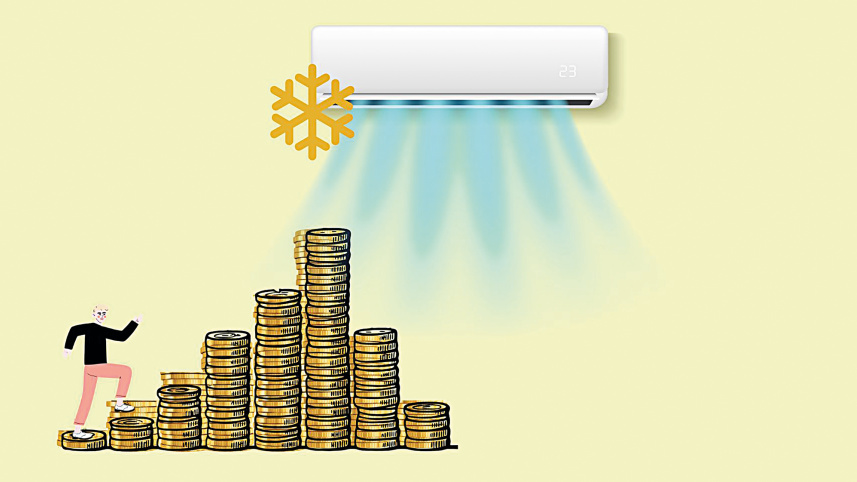
As Bangladesh faces another scorching summer marked by rising temperatures and prolonged heatwaves, demand for air conditioners has surged across major cities. But alongside growing sales, another trend is becoming increasingly visible. More consumers are purchasing ACs through EMI facilities and digital loan services rather than paying upfront.
Instalment-based purchases have grown significantly in recent years, particularly among middle-income urban households. With the price of branded inverter air conditioners ranging from Tk 50,000 to Tk 120,000, many consumers are opting for monthly repayment options to ease financial pressure.

“Previously, customers mostly bought ACs with cash payments before Eid or during peak summer,” said Reaz Khan, a sales executive at an electronics retailer in Dhaka. “Now a large portion of buyers ask about EMI options first before discussing the product itself.”
For many customers, affordability is no longer about the total cost but about managing monthly expenses. Md Sakib Hasan, a private-sector employee in Dhaka who recently purchased a 1.5-ton inverter AC through a 12-month EMI facility, said the option helped him avoid financial strain during a difficult period.
“The heat became unbearable, especially for my parents at home, but paying Tk 70,000 at once was difficult,” he said. “Through EMI, I only have to pay a manageable amount each month. It felt easier than waiting another year to save enough money.”
Many banks and financial institutions have expanded partnerships with electronics brands and online marketplaces to capitalise on this demand. Customers can now purchase air conditioners using credit card EMIs ranging from six to thirty-six months.
The rise of digital banking has accelerated the process. Through banking apps and online checkout systems, customers can convert purchases into instalments almost instantly. Some retailers are also offering zero-interest EMI campaigns and cashback benefits to attract buyers during the summer season.
The trend reflects broader changes in Bangladesh’s consumer economy. Younger consumers are becoming increasingly comfortable with digital payments and financing tools, especially as inflation and rising living costs make large one-time expenditures more difficult.
However, financial analysts warn that easy access to financing may encourage excessive spending if consumers do not fully understand repayment conditions. Hidden charges, late payment fees and accumulated debt remain concerns, particularly for first-time borrowers.
As Bangladesh’s digital financial ecosystem continues to mature, EMI-based purchases may increasingly shape how households acquire essential appliances in upcoming years.
 For all latest news, follow The Daily Star's Google News channel.
Comments