


Growth & Innovation in Bangladesh’s Furniture Industry
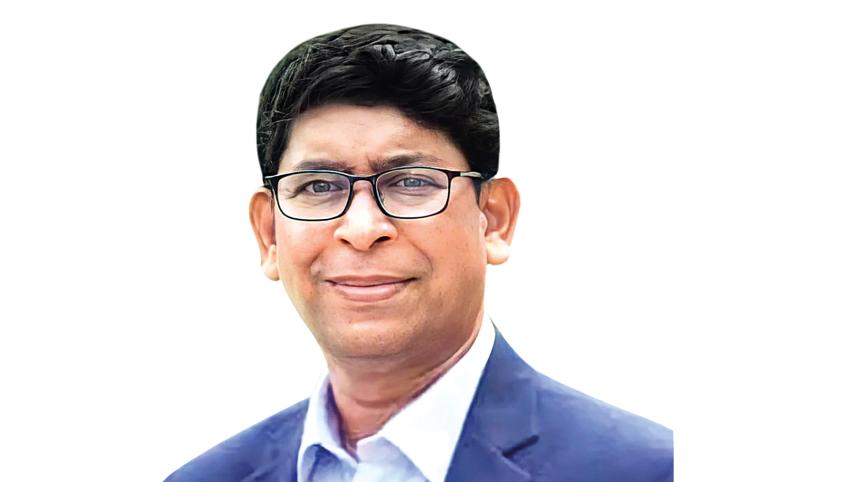
R N Paul
Managing Director of Regal Furniture, highlighted how Regal has led Bangladesh's furniture transformation. He discussed the brand's innovations and how it is shaping the future of "Made in Bangladesh" furniture.
The Daily Star (TDS): How has Bangladesh's furniture sector evolved over the past decade?

R N Paul (RNP): Over the past decade, Bangladesh's furniture industry has evolved from traditional craft to a modern, design-focused sector. Regal Furniture has led this transformation with modular designs, precision manufacturing, and a distinctive retail experience. As one of the first brands with nationwide retail and automated production, we set a new industry benchmark.
TDS: Which recent innovations have been game changers for your brand?
RNP: The biggest game-changer for us has been automation and engineered wood innovation. A decade ago, we relied heavily on solid wood. Now we use high-grade processed boards, laminates, and eco-friendly finishes that maintain durability while reducing waste. On the design side, 3D modelling has revolutionised our prototyping, allowing us to visualise and modify designs instantly. We have introduced water-based lacquers and optimised our supply chain.
TDS: What are the main challenges in this sector?
RNP: Raw material volatility and import dependence remain significant challenges. Skilled manpower is another concern, particularly as the industry adopts advanced manufacturing technologies. At Regal, we address these by developing long-term supplier partnerships and investing in training for our in-house teams. We conduct workshops for production staff and designers and collaborate with local universities to attract young talent for the industry.
TDS: How do consumer tastes differ across Dhaka, Chattogram, and other regions?
RNP: The furniture market in Bangladesh is valued at around USD 2.5–3 billion, growing at an annual rate of 10–12 per cent. Dhaka's consumers are design-driven and brand-conscious, while Chattogram customers focus more on durability and premium materials. In regional towns, affordability and classic designs remain the top priorities.
TDS: How are you using technology and sustainable craftsmanship to strengthen the "Made in Bangladesh" brand, and what is the next big trend?
RNP: We see "Made in Bangladesh" as a mark of smart craftsmanship that merges tradition with innovation. The next big trend will be hybrid furniture that integrates smart technology and sustainable design, created for compact, connected living spaces.
 For all latest news, follow The Daily Star's Google News channel.
Comments