


Travel Destination: South America

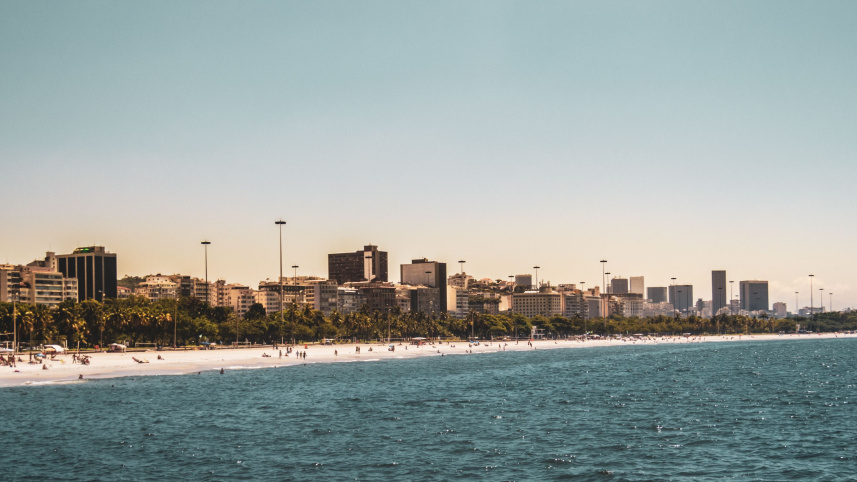
South America is not a single destination but a continent of contrasts For the traveller seeking diversity and emotional intensity, South America offers an itinerary that feels like a sequence of entirely different worlds stitched together.
A Continent of Extremes and Continuity
Stretching from the Caribbean coastline of northern Colombia down to the icy tip of Tierra del Fuego, South America compresses almost every climate zone on Earth into one landmass. Few regions on the planet deliver such rapid geographical transitions: tropical humidity gives way to alpine cold within hours; arid deserts sit in stark contrast to verdant wetlands; and modern metropolises are often only a short flight from pre-Columbian ruins.

What makes the continent especially compelling is not just its diversity, but its continuity. Despite national borders, there is a shared cultural rhythm shaped by Indigenous heritage, colonial history and modern Latin identity. Travelling across the continent feels less like crossing separate countries and more like moving through variations of one vast, evolving narrative.
Brazil: Energy in Music and Rhythm
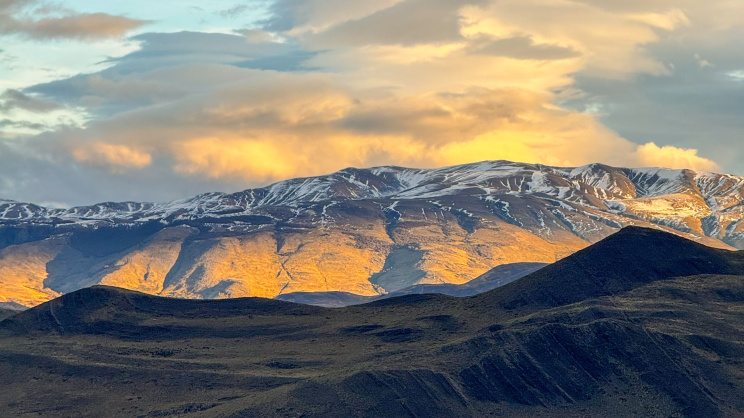
Brazil is often the first entry point for travellers. It is both enormous in scale and deeply layered in identity. Nowhere is this more visible than in Rio de Janeiro, where mountains, rainforest and ocean converge into a single urban landscape.
Rio de Janeiro is a city defined by contrasts: the iconic curve of Copacabana Beach sits below densely packed favelas climbing steep hillsides, while the Christ the Redeemer statue watches over a city constantly in motion. Music is in their blood. Samba, bossa nova and funk carioca spill into streets, bars and beach gatherings.
Further inland, Brazil opens into the Amazon basin, part of the vast Amazon Rainforest. Here, travel becomes less about sightseeing and more about immersion. River journeys replace road maps, and wildlife replaces architecture as the dominant visual language. The sheer biological density is overwhelming. This is one of the most biodiverse regions on Earth, and still only partially mapped in experiential terms.
Peru: Civilisation Above the Clouds
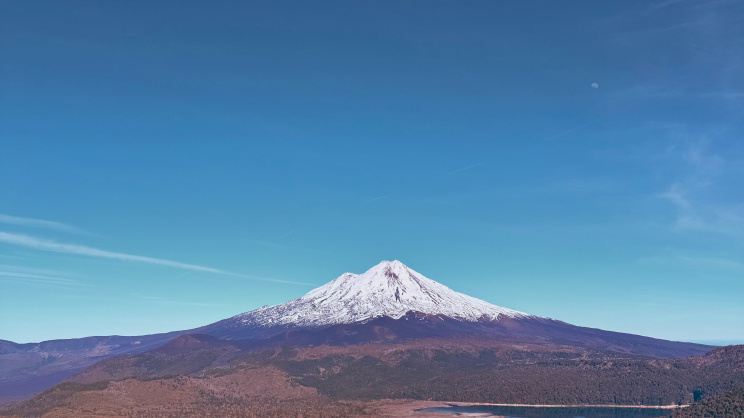
Peru offers one of the most architecturally and historically significant travel experiences on the continent. Its defining attraction, however, remains the citadel of Machu Picchu.
Machu Picchu sits high in the Andes, often emerging through mist as if suspended between earth and sky. Built by the Inca civilisation in the 15th century, the site reflects an advanced understanding of astronomy, agriculture and engineering. Stone terraces descend into valleys with geometric precision, while surrounding peaks form a natural defensive ring.
The journey itself is as important as the destination. Whether reached via the Inca Trail or by rail through the Sacred Valley, the approach to Machu Picchu builds a sense of gradual detachment from the modern world. Altitude and silence combine to create a rare form of historical intimacy. Beyond Machu Picchu, Peru offers layered urban culture in Lima, colonial architecture in Cusco, and vast ecological diversity ranging from coastal deserts to Amazonian tributaries.
Argentina: European Grandeur in South American Form
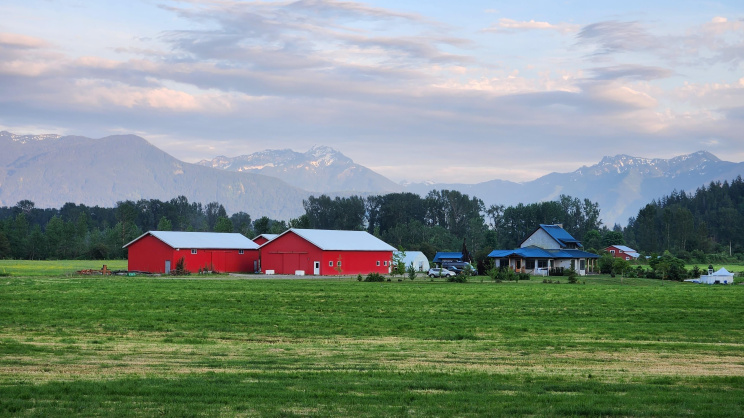
Argentina presents a different emotional register. It is often described as the most “European” of South American nations in architectural terms. Yet its cultural identity is distinctly Latin American, shaped by immigration, political turbulence and artistic intensity.
Buenos Aires stands as its cultural heart. Wide boulevards, neoclassical facades and cafe-lined streets create a city that feels theatrical in design. Tango is embedded in public life, expressed through music halls, street performances and late-night social culture.
Further south, Argentina transforms dramatically into Patagonia, shared with Chile, where landscapes dominate human presence. Glaciers, wind-swept plains and jagged mountain ranges create an environment that feels ancient and unprocessed. Travel here is slow, reflective and often dictated by weather rather than schedule.
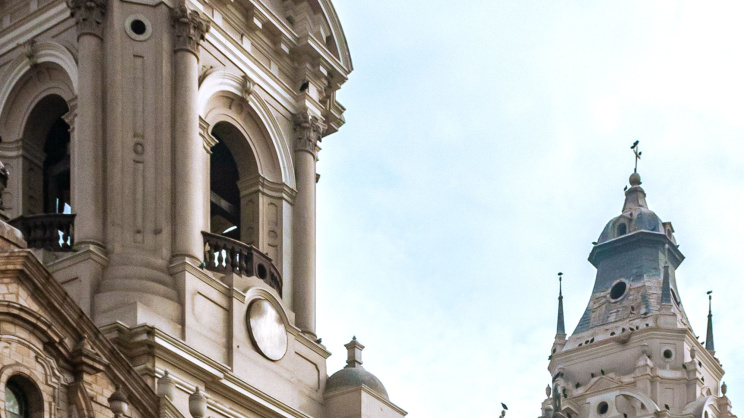
Chile: A Vertical Country of Contrasts
Chile is one of the world’s longest countries, stretching like a narrow ribbon along the Pacific coast. This extreme geography produces equally extreme diversity.
In the north lies the Atacama Desert, one of the driest places on Earth, where lunar landscapes and salt flats stretch endlessly under clear skies. In the centre, Santiago serves as a modern administrative and cultural hub, framed by snow-capped mountains. In the south, Chile dissolves into fjords, glaciers and temperate rainforests.
What distinguishes Chile is its verticality—not just in topography, but in experience. Within a single journey, travellers can move from desert silence to ocean storms, from high-altitude astronomy sites to dense coastal forests. It is a country that resists simplification.
Colombia: Revival in Complex Form
Colombia has undergone one of the most significant transformations in modern tourism. Once associated primarily with instability, it is now increasingly recognised for its cultural vitality, biodiversity and urban regeneration.
Medellín exemplifies this shift. Once known for violence, it has reinvented itself through urban innovation, public transport integration and cultural investment. Cable cars connect hillside communities to the city centre, turning infrastructure into inclusion.
Meanwhile, coastal cities like Cartagena offer preserved colonial architecture, where Caribbean heat meets Spanish fortification. Across Colombia, music, street art and literature form a dense cultural ecosystem that feels both contemporary and historically aware.
The Andean Spine and Shared Geography
Running through multiple countries is the Andes mountain range, the geological backbone of the continent. It is not confined to one national identity but shared across Venezuela, Colombia, Ecuador, Peru, Bolivia, Chile and Argentina.
This shared geography creates a rare form of continental continuity. Indigenous cultures, agricultural practices and linguistic patterns often transcend modern borders, creating a deeper sense of regional coherence than political maps suggest.
 For all latest news, follow The Daily Star's Google News channel.
Practical Travel Logic: Distance, Time and Expectation
Travelling in South America requires a recalibration of expectations. Distances are vast, internal flights are often essential, and road travel can be slow but visually rewarding. Infrastructure varies significantly between urban centres and rural regions. Flexibility is often more valuable than rigid scheduling.
However, the reward is proportional to the complexity. Few regions offer such density of experience within a single trip. A traveller can, within weeks, move from Amazonian river systems to high-altitude archaeological sites, or from Atlantic beaches to glacial frontiers.
Comments