


Between the Sea and the Coral

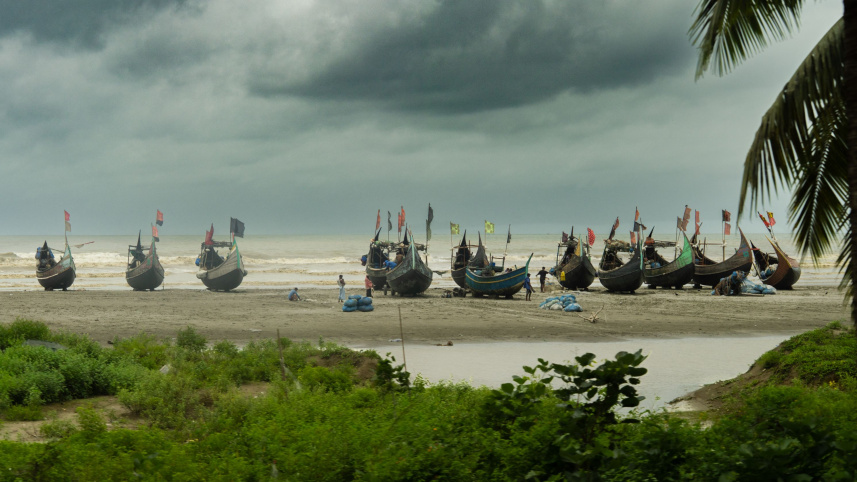
Cox’s Bazar: Where the Sea Refuses to End
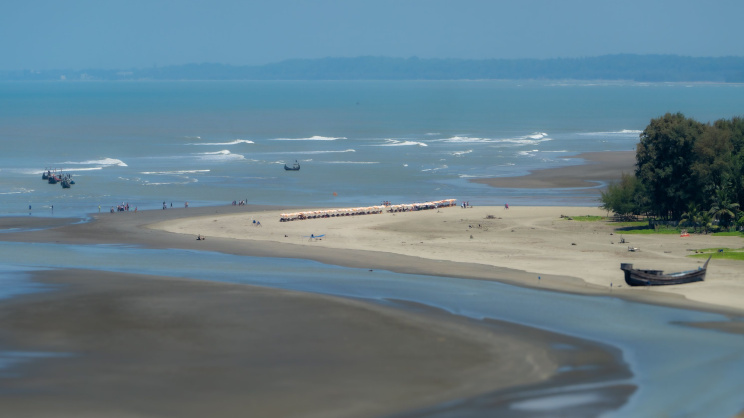
Cox’s Bazar is often introduced with superlatives, most famously as home to the world’s longest natural sea beach. Yet such descriptions barely capture the experience of standing at its edge. The shoreline stretches so far that it resists comprehension; the sea does not feel like a destination here, but an atmosphere.
The main beach area near Laboni and Sugandha is where most travellers begin. It is lively, often crowded. It is shaped by constant movement of vendors selling roasted corn, photographers offering instant portraits, horses trotting across wet sand and families gathering for the evening ritual of sunset watching. The sea here roars, and it is magnetic to watch.

As the sun begins to sink, the entire shoreline seems to shift in tone. The light turns golden, then copper and finally fades into a soft indigo. It is in this transition that Cox’s Bazar reveals its most enduring quality. The tide returns every day, indifferent to observation. Yet it never feels repetitive.

Beyond the Town: Himchari and Inani
To understand Cox’s Bazar beyond its central beach, one must move outward along the coastal road. The journey southwards begins to loosen the density of the town, replacing it with stretches of green hills and open sea.
Himchari National Park is the first notable pause. Here, the landscape rises slightly, offering viewpoints where the Bay of Bengal stretches unbroken into the horizon. Small waterfalls descend through rocky terrain, particularly in the monsoon season, though even in drier months the area carries a raw, untamed character.
Further along lies Inani Beach, quieter and more restrained than its central counterpart. Coral stones appear during low tide, scattered like natural mosaics across the sand. The sea here feels clearer and the atmosphere more reflective. Many travellers consider Inani the point where Cox’s Bazar begins to reveal its more contemplative side.
The coastal drive itself, often referred to as the Marine Drive towards Teknaf, is one of the most visually striking routes in the region. On one side, dense green hills rise sharply; on the other, the Bay of Bengal opens endlessly. The road curves gently, encouraging travellers to slow down rather than simply move through.
The Journey South: From Mainland to Island
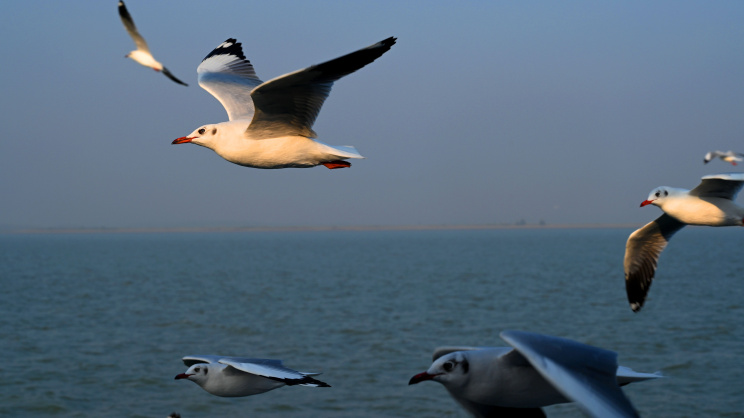
Reaching Saint Martin’s Island requires a shift in pace and expectation. From Cox’s Bazar, the route continues to Teknaf, a town positioned at the country’s southernmost tip. The journey itself is long, often taking several hours, but it forms part of the transition—from mainland geography to island isolation.
From Teknaf, ferries depart across the Bay of Bengal towards Saint Martin’s Island. The crossing takes several hours and is heavily dependent on weather and seasonal conditions. Between November and March, when the sea is calmer, the journey becomes smoother and more predictable. Outside these months, the island is typically inaccessible due to rough waters.
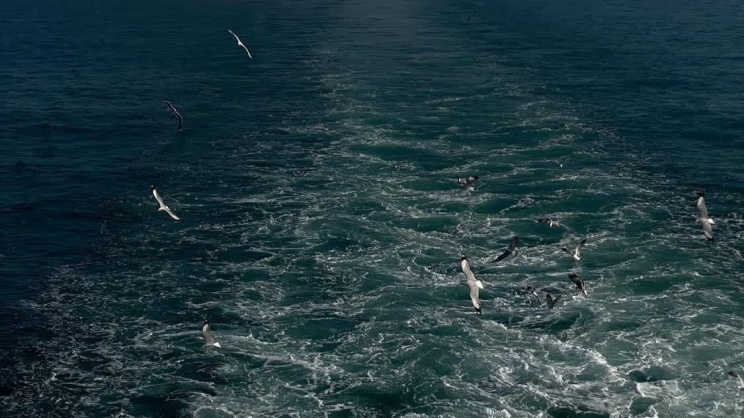
As the ferry moves further from shore, the mainland gradually dissolves. Buildings shrink into indistinct shapes, and eventually disappear altogether. What remains is water in every direction, shifting between deep blue and silver depending on the light.
Saint Martin’s Island: A Slower World
Saint Martin’s Island is small enough to be walked across in parts, yet it feels expansive in experience. Unlike Cox’s Bazar, where movement defines the atmosphere, here stillness becomes the dominant quality.
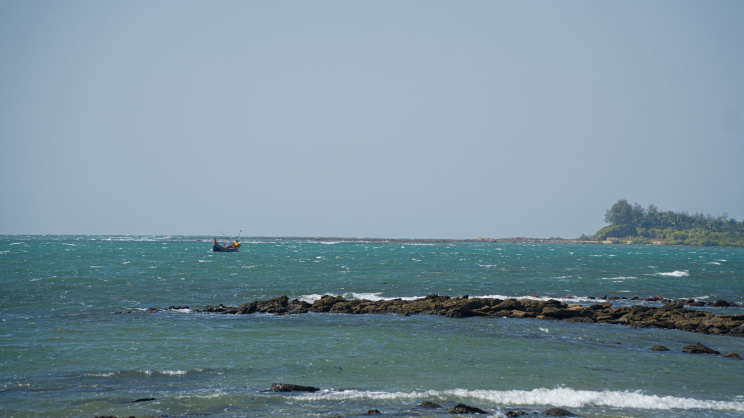
The island is shaped by coral formations, coconut groves, and shallow turquoise waters that reveal their clarity at low tide. Walking along the shoreline, one notices how sound changes: less mechanical noise, more wind, water, and distant human voices softened by distance.
Chera Dwip, a smaller extension of the island accessible during low tide, is often considered the highlight. The walk towards it involves stepping across shallow water and exposed coral rock, a reminder that this landscape is constantly negotiated between land and sea. At Chera Dwip, the sense of isolation deepens further. There are fewer structures and more uninterrupted horizon.
Sunset on Saint Martin’s Island carries a different quality compared to Cox’s Bazar. Where the mainland sunset feels communal and energetic, here it becomes intimate. The sky expands in colour without distraction, and the sea reflects light with a quiet consistency.
Life on the Island
Life on Saint Martin’s Island follows a limited but steady rhythm. Fishermen return with early catches, small shops open during daylight hours, and electricity operates within modest constraints. Tourism supports much of the local economy, but the infrastructure remains deliberately simple.
Seafood is a defining part of the experience. Fresh fish, crabs, and lobsters are prepared in small kitchens close to the shoreline, often grilled or lightly spiced. Meals are unhurried, matching the pace of the island itself.
Accommodation ranges from basic guesthouses to modest eco-resorts. Luxury, in the conventional sense, is not the island’s offering. Instead, it provides something less tangible: quiet and a rare sense of detachment from urban intensity.
Practical Considerations for Travellers
A journey combining Cox’s Bazar and Saint Martin’s Island typically spans three to five days. The most suitable period is between November and March, when sea conditions are stable and ferry services operate regularly.
Travellers should be prepared for logistical variability. Transport schedules can shift depending on weather, and facilities on the island are limited compared to mainland towns. Cash availability is important, as digital payment systems and network are not consistently supported in remote areas. Despite these constraints, the journey remains accessible and increasingly popular, particularly among domestic travellers seeking coastal escape without leaving the country.
 For all latest news, follow The Daily Star's Google News channel.
 Photos: Aditiya Fairuz, Farhan Musfique
Comments