


Thailand: Where Chaos, Culture and Coastlines Converge

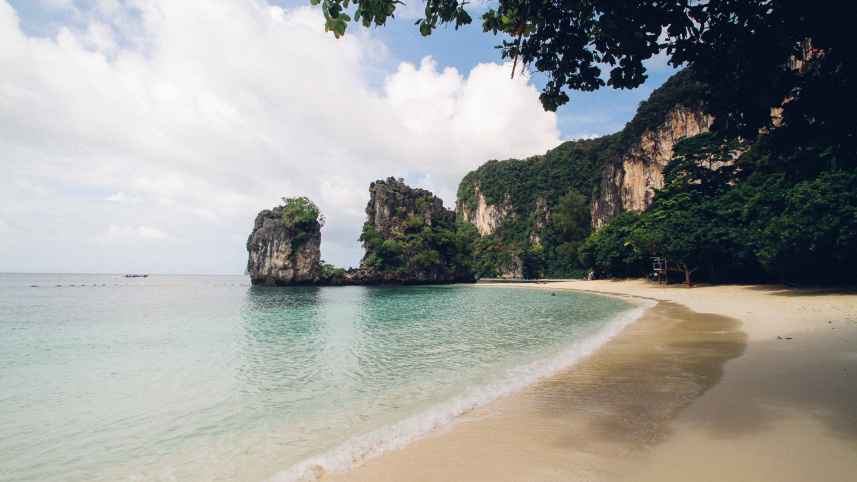
Thailand has long occupied a rare position on the global travel map: it is both an entry-level destination for first-time backpackers and a deeply layered cultural landscape for seasoned travellers. From neon-lit urban sprawl to limestone cliffs rising out of emerald seas, the country offers a geographical and sensory range that is difficult to match in Southeast Asia.
Bangkok: The City with Two Face

At the heart of the country sits Bangkok, a metropolis that operates on multiple speeds at once. On one level, it is a high-rise financial centre with traffic-clogged expressways and luxury malls; on another, it is a city of street markets and centuries-old temples.
The Chao Phraya River functions as both a transport artery and a historical boundary. Along its banks stand some of the city’s most significant cultural landmarks, including ornate temple complexes and royal heritage sites. Yet just a short distance away, travellers find themselves in districts where street food stalls glow under fluorescent lights, serving grilled skewers and noodle soups late into the night.
Bangkok’s appeal lies in this friction. A morning might begin with a boat ride past traditional wooden houses, followed by an afternoon in a contemporary art gallery or rooftop bar overlooking the skyline.
Chiang Mai: Slower Rhythms in the North
If Bangkok is momentum, Chiang Mai is balance. Set against a backdrop of forested mountains, the northern city offers a more measured pace of life. Once the capital of the Lanna Kingdom, Chiang Mai retains a distinct cultural identity reflected in its architecture, cuisine and festivals.
The old city, enclosed by remnants of ancient walls and moats, contains dozens of temples where saffron-robed monks move quietly through courtyards. Outside the city centre, the landscape shifts quickly into rural terrain containing rice fields, waterfalls and hill tribe communities that maintain traditional ways of life. For many travellers, Chiang Mai is also a hub for ethical wildlife experiences, cooking schools and artisan crafts.
The Southern Coast: Limestone, Lagoons and Light
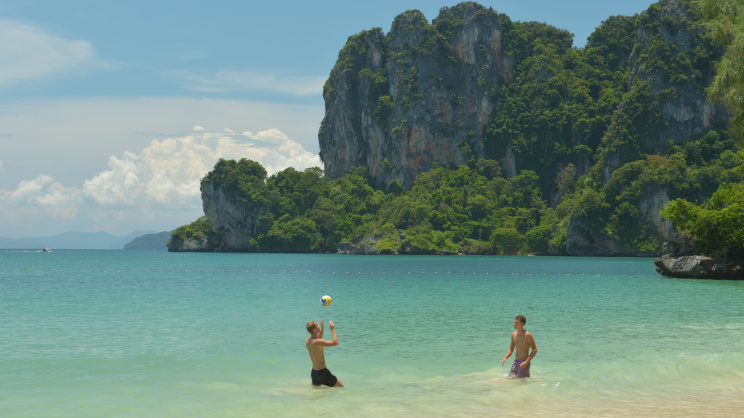
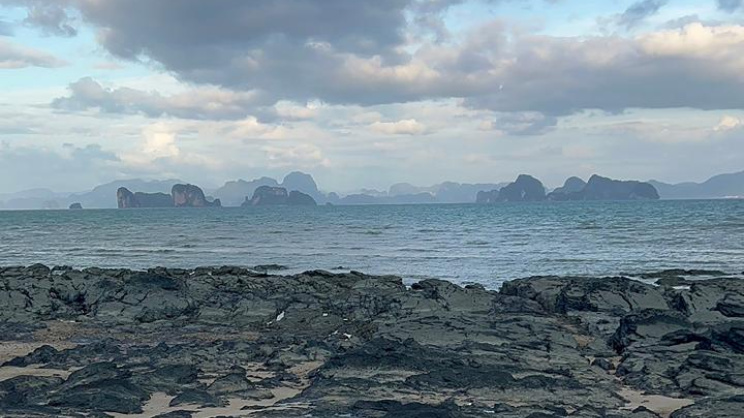
Thailand’s southern coastline is where the country’s natural beauty becomes most cinematic. In provinces such as Krabi, towering limestone karsts rise vertically from turquoise waters, creating a seascape that feels almost sculpted.
Beaches here vary dramatically. Some are wide and social, lined with long-tail boats and beach cafes; others are hidden, accessible only by boat or steep jungle paths. The Andaman coast in particular is known for its clarity of water and dramatic rock formations, making it a focal point for diving, rock climbing and island-hopping.
Further west, islands such as Phuket serve as gateways to both luxury tourism and quieter coastal exploration. While certain areas are highly developed, it remains possible to find secluded coves and fishing villages that preserve a slower coastal lifestyle.
Cultural Heritage: Temples, Ruins and Memory
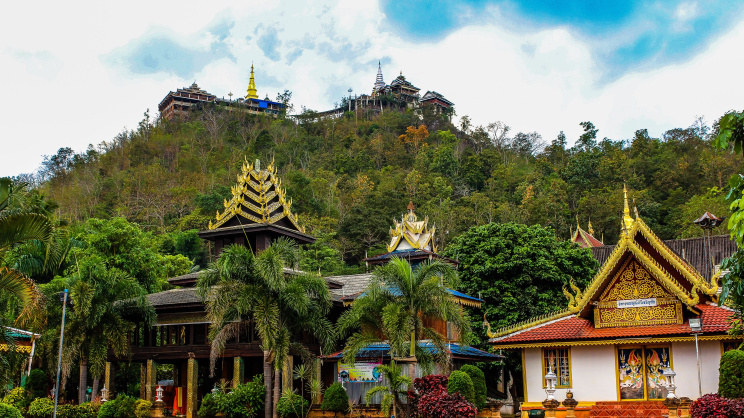
Beyond its natural landscapes, Thailand’s historical depth is most visible in its religious architecture. Across the country, Buddhist temples function not only as places of worship but also as centres of community life and artistic expression.
One of the most significant historical sites lies in Ayutthaya, the former capital of the Siamese kingdom. Today, its ruins stand as a UNESCO World Heritage Site, with stone Buddhas entwined in tree roots and crumbling stupas rising from flat plains. The atmosphere is markedly different from the energy of Bangkok or the tranquillity of Chiang Mai. It is quieter, more reflective, shaped by time and loss.
Food Culture: Street-Level Sophistication
Thai cuisine is one of the country’s most powerful cultural exports, but its true depth is best experienced locally. Street food is an everyday system of dining that operates with remarkable consistency and skill.
In Bangkok’s evening markets, wok stations operate continuously, producing dishes that balance sweet, sour, salty and spicy in precise harmony. Regional variations add further complexity: northern dishes tend to be milder and herb-forward, while southern cuisine leans heavily into heat and coconut-based curries. Importantly, food in Thailand is not separated into rigid categories of fine dining and informal eating. A bowl of noodles from a street stall can carry as much culinary integrity as a plated dish in a high-end restaurant. This democratisation of flavour is central to the country’s food culture.
Islands and Escapism: The Appeal of the Sea
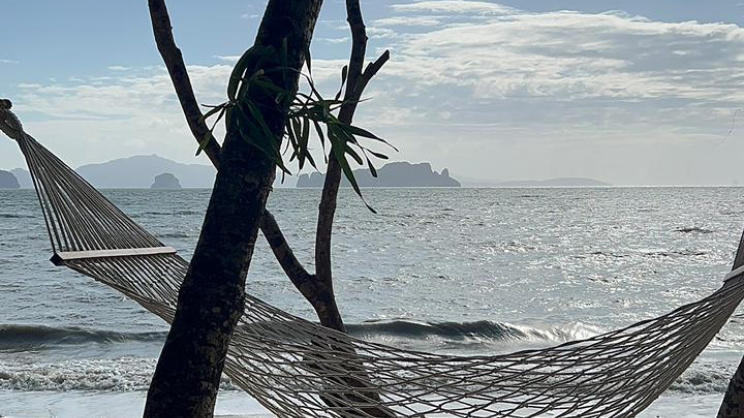
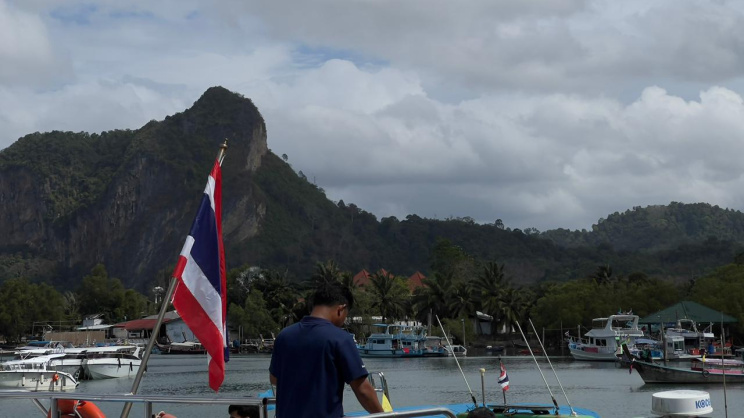
For many visitors, Thailand’s islands represent the final stage of the journey: a shift from cultural exploration to rest and detachment. Ferries and speedboats connect the mainland to clusters of islands where life is governed by tides and daylight. Some islands are built for nightlife and social energy, while others remain deliberately quiet, prioritising conservation and low-impact tourism. Coral reefs, mangroves and marine parks form fragile ecosystems that are increasingly central to Thailand’s environmental policy discussions.
 For all latest news, follow The Daily Star's Google News channel.
 The key appeal is accessibility: within a single trip, it is possible to move from dense urban environments to near-empty beaches in a matter of hours.
Travel Realities: Infrastructure and Experience
Thailand’s tourism infrastructure is among the most developed in Asia. The tourism industry is built to cater to the diverse needs and interests of travellers. Thee have frequent domestic flights and long distance bus services operating in major cities. This ease of movement allows travellers to construct highly flexible itineraries without extensive planning.
However, this accessibility also brings challenges. Popular destinations can become crowded during peak seasons, and certain areas face environmental pressure from over-tourism. Responsible travel practices, such as supporting local businesses, reducing plastic use and choosing sustainable operators are increasingly important considerations.
Photos: Tanzeel Zaman, Pexels
Comments