


Technology Redefines the Ramadan Experience

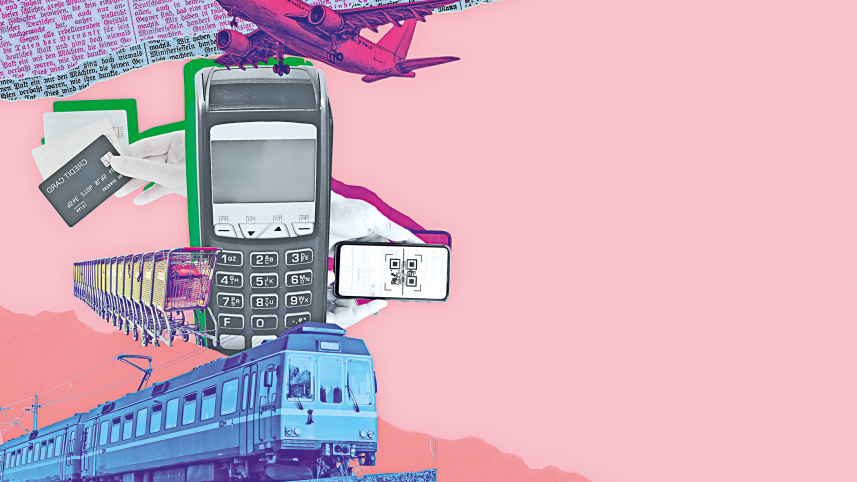
Ramadan has always been a month of deep-rooted tradition, but the way we navigate it is undergoing a quiet, digital revolution. For every generation, the core goals remain the same: faith, family, and charity, but the tools used to achieve them have never been more modern. Driven by a mix of inflationary pressures and a desire for efficiency, the “spirit of the season” is now being powered by smartphones, QR codes, and digital wallets.
Mashrur Arefin, Managing Director & CEO of City Bank PLC, observes that inflation is subtly reshaping consumer behaviour. “People are becoming more strategic; transaction sizes are down 10% as shoppers opt for smaller, ‘need-based’ purchases rather than large splurges. There is also a clear move toward financial safety, with debit card use jumping by 30% as people avoid credit,” he explains. According to Arefin, this isn’t just about being tech-savvy; digital tools like Google Pay, which now accounts for 65% of card transactions, have become “essential instruments for navigating a tighter economy with ease.”

While the macro-data shows a shift in spending, on the ground, the day-to-day struggle is one of logistics. For the workforce, the biggest challenge isn’t the fast itself, it’s the “Ramadan Routine.” Navigating a crowded kacha bazar (wet market) after a long workday is a daunting task, making digital grocery shopping a vital lifeline.
“I haven’t stepped into a wet market all month,” says Nusrat Jahan, a 24-year-old Management Trainee Officer. “Between work and heavy traffic, I barely have time to reach the Iftar table. After Iftar, I’m too tired to move. Online shopping saves my sanity, and the cashback offers are valuable add-ons to my daily expenses.” For professionals like Nusrat, these platforms aren’t just a luxury; they are a strategic way to tackle soaring market prices while reclaiming their time.
If professionals are using technology for survival, Gen Z is using it to redefine the month’s social fabric. For this demographic, Ramadan has reached beyond its core religious values to become a vibrant “social season” centred on community and connection. Their planning revolves around university Iftar Mahfils and exploring new food spots, and they rarely carry a physical wallet.
“My friends and I go out for Iftar at least twice a week,” says Abrar Fahim, a Dhaka University student. “We scan merchant QR codes and split the bill in the group. It’s seamless. Even the small Iftar stalls near my dorm now have Nagad or bKash QR codes taped to their tables.” This preference for digital payments over cash also serves as a security measure during the busy Eid shopping season, protecting them from misplacing cash or falling victim to theft in crowded malls.

However, as the month goes digital, security must remain a priority. To avoid monetary fraud, users are urged to maintain strict safety practices: never share a PIN or OTP with anyone. Digital platforms will never ask for these credentials. Users should also be wary of “accidental money transfer” calls and always verify their app balance before responding to any message. While NFC and contactless payments offer a hassle-free experience, checking billing details during the transaction is essential to avoid future misconceptions.
Perhaps the most profound transformation, however, is seen among seniors. For them, digital migration is a transformation of ritual. Traditionally, giving Zakat and Fitra involved physical queues of people outside homes. Today, the “Spirit of Giving” has become more private and dignified.
“I used to go to the bank to withdraw small notes to distribute to the needy,” explains Afzal Hossain, a retired government officer. “Now, my son taught me how to use the ‘Donation’ tab on the MFS app. I can send my Zakat directly to reputable NGOs and orphanages instantly. It’s more discreet and efficient—it feels more in line with the spirit of charity when you aren’t making a spectacle of it.”
As the month draws to a close, the digital focus shifts from daily needs to the ultimate goal: the “Homecoming.” In the past, securing a bus or train ticket meant spending nights on the pavement of stations. Today, digital platforms have democratized travel, turning a seasonal hurdle into a seamless background task.
“I booked my family’s flights at 2:00 AM while waiting for Sehri,” says Faisal Ahmed, a corporate manager. “Using my credit card points, I booked one ticket almost free of cost. For a busy professional, skipping the ‘ticket hunt’ is the ultimate luxury.” Similarly, Amrin Sarwar, a student, booked her train ticket ten days in advance via an app. “I could skip the queuing at the station during my exams. It’s a great relief,” she says.
Ultimately, the modern ‘Ramadan Routine’ shows that while our methods of payment and travel have changed, our motivations remain the same. From the student splitting a bill via QR code to the elders sending Zakat with a tap, the digital payment has become the bridge between age-old rituals and a fast-paced world. This digital migration offers a way for every generation to navigate a changing economy without losing the essence of the season.
 For all latest news, follow The Daily Star's Google News channel.
Comments