


The mornings we grew out of
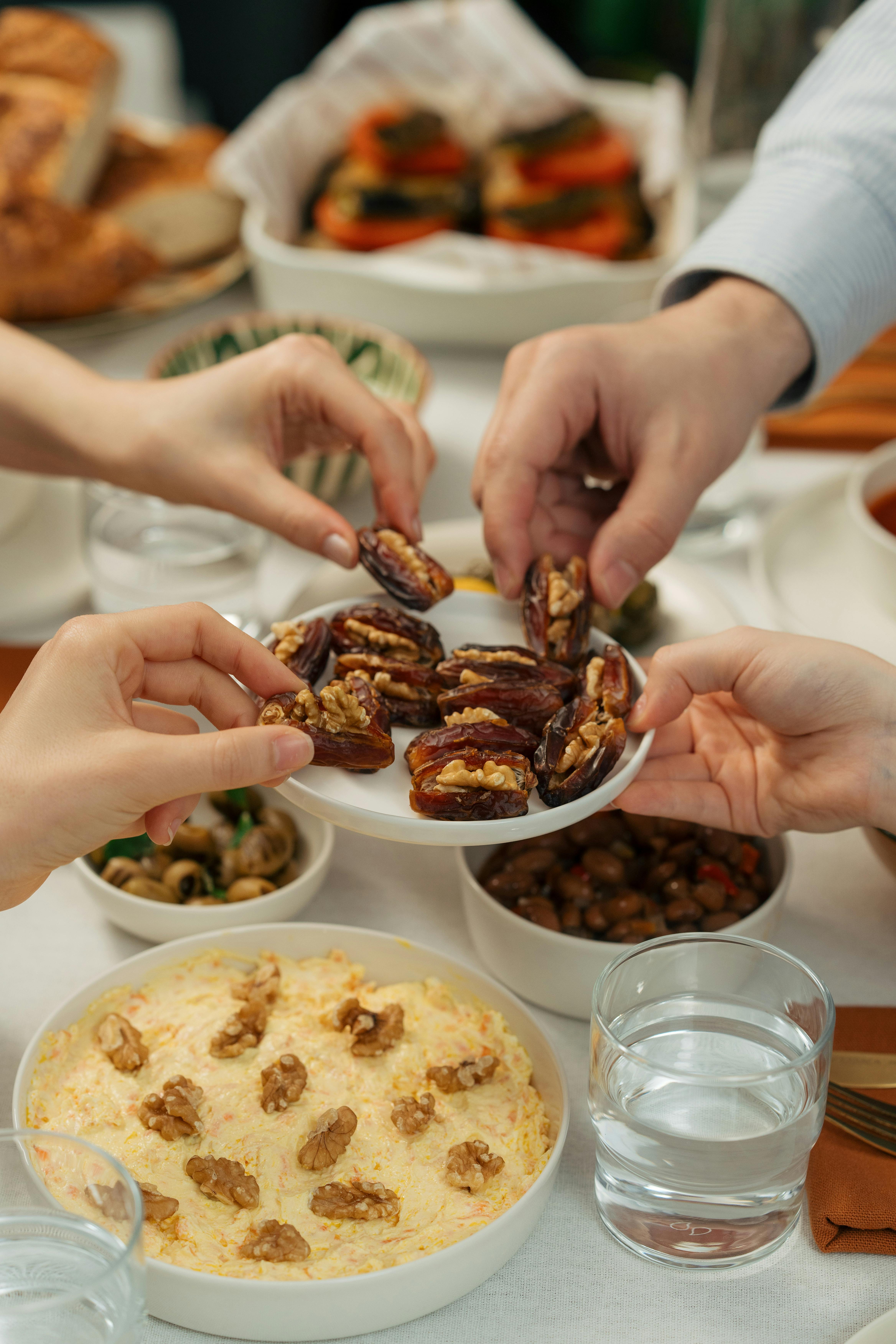
Eid used to arrive before the sun did. She would wake to the smell of ghee and cardamom drifting under her door, to the sharp hiss of onions hitting hot oil, and to her mother’s bangles chiming softly as she stirred shemai in the kitchen. The house buzzed: cousins fought for the bathroom, fists rapped on locked doors, buckets sloshed, and laughter crashed along narrow hallways. Even the curtains seemed brighter then, breathing in the pale gold of morning as if they, too, were excited.
The corridor would be cold under her bare feet as she ran toward the noise, sunlight slipping in through the same faded curtains, dust floating like tiny constellations in the beams. Someone would already be arguing about who got ready first. Someone would be looking for a missing Punjabi. The house trembled with layered voices, slamming doors, cousins sprinting room to room, chasing Eid before it vanished.

My weary eyes throb as I wake with a start. Stale light pierces the curtains, exposing my cluttered desk; the house is now hushed, reduced to a whisper. It felt like any other day, with my exams looming in the distance. I quickly grabbed my glasses, which almost slipped off my hands as my feet landed on the same cold marble, the same old corridor.
There was one Eid when it rained before prayer, the sky still bruised with dawn, and we decided it meant the whole day would be lucky. The electricity had gone out, so the house glowed in patches of blue-grey light from the windows. We got ready, fighting over the mirror, someone smudging kajal on purpose just to start a war. My youngest cousin cried because her frock had a loose thread, and she was convinced it ruined everything.
The adults were louder that year. My uncles’ voices rolled through the dining room, deep and amused. We counted our Eidi three times each, comparing totals like we were running a bank. Someone accused someone else of stealing ten taka. A chase began. Slippers slapped against the floor. My grandmother called out from her room; her laughter betrayed her.
I remember watching all of it blur: the damp smell of rain drifting in from the balcony, the house swollen with voices and footsteps and life. I remember thinking it would always be like this. That the walls had memorised us. That we would keep filling them forever.
“Sehrish, you wouldn’t mind giving a hand—"
“Not now, Mom, I've got work," I answer bitterly; it was always chores with her. I check my phone, find the deadline preponed, and pour water, frustrated. Lifting the glass slowly, the water is cool against my palm. The rim touches my lips, and I gulp it away, without really tasting it. She stares at the bottom of it as if something might be waiting there, as if the last drop might hold an answer.
And then the house is loud again.
She is smaller and breathless, as she runs too fast around the corner and nearly collides with the wall. Someone shouts her name from the living room. She doesn’t stop. Her mother is younger there. Her hair is darker, her hands quicker, and bangles slide up and down her wrist as she stirs a pot that hisses and bubbles. There is flour on the counter, a thin dusting on the edge of her sleeve. She looks busy in the way that means important.
“I’ll help,” the little girl declares, breathless, already reaching for something she isn’t supposed to touch.
“Help with what?” she asks, amused.
“Everything.”
She drags a stool across the tiles, the screech loud and determined, and climbs up, peering into the pot as if she’s inspecting treasure. The steam hits her face, and she flinches but refuses to step back. She hands over spoons that aren’t needed. She wipes a perfectly clean counter. She tastes the semai too early and burns her tongue but pretends she didn’t.
Her mother laughs then, not tired, not distant, just full. “You’re making more mess than helping,” she says, but she doesn’t send her away.
The girl stays anyway. Because helping means belonging.
The phone rings, a loud ringing tune that shakes the world to the core, to broken pieces of shards and grime as the kitchen shatters and the dining room bursts up in flames.
“Yeah, yeah, I know the deadline changed." I answer hurriedly, rubbing my temple.
I quickly scroll through my cousins’ Instagram stories—Dubai, Canada, new lives—and monotonously answer “Eid Mubarak"; it's better to be done with it now than later.
I take a stroll to the veranda, the same sun, the same dots of white in the corner of streets, men returning from prayers.
The front door bursts open before it’s even fully unlocked.
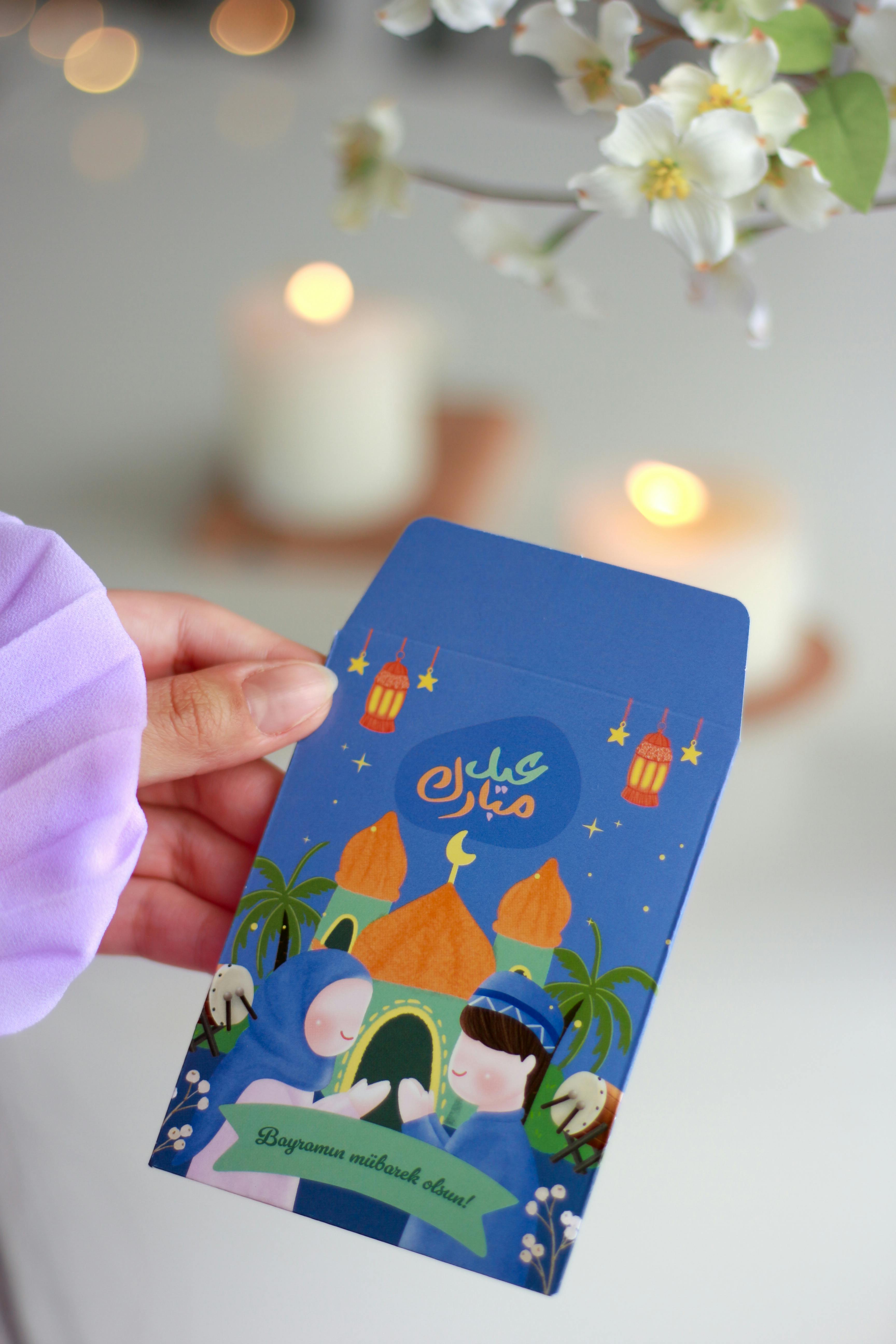
“Eid Mubarak!” someone yells too early, voice cracking from excitement more than sleep.
They collide in the doorway like they’ve been separated for years instead of hours. Bangles clink, perfume mixes – rose, loud, something too sweet – and fabric swishes in every direction. New clothes still stiff from the tailor.
“Eid Mubarak!” she shouts back, grinning so wide her cheeks hurt.
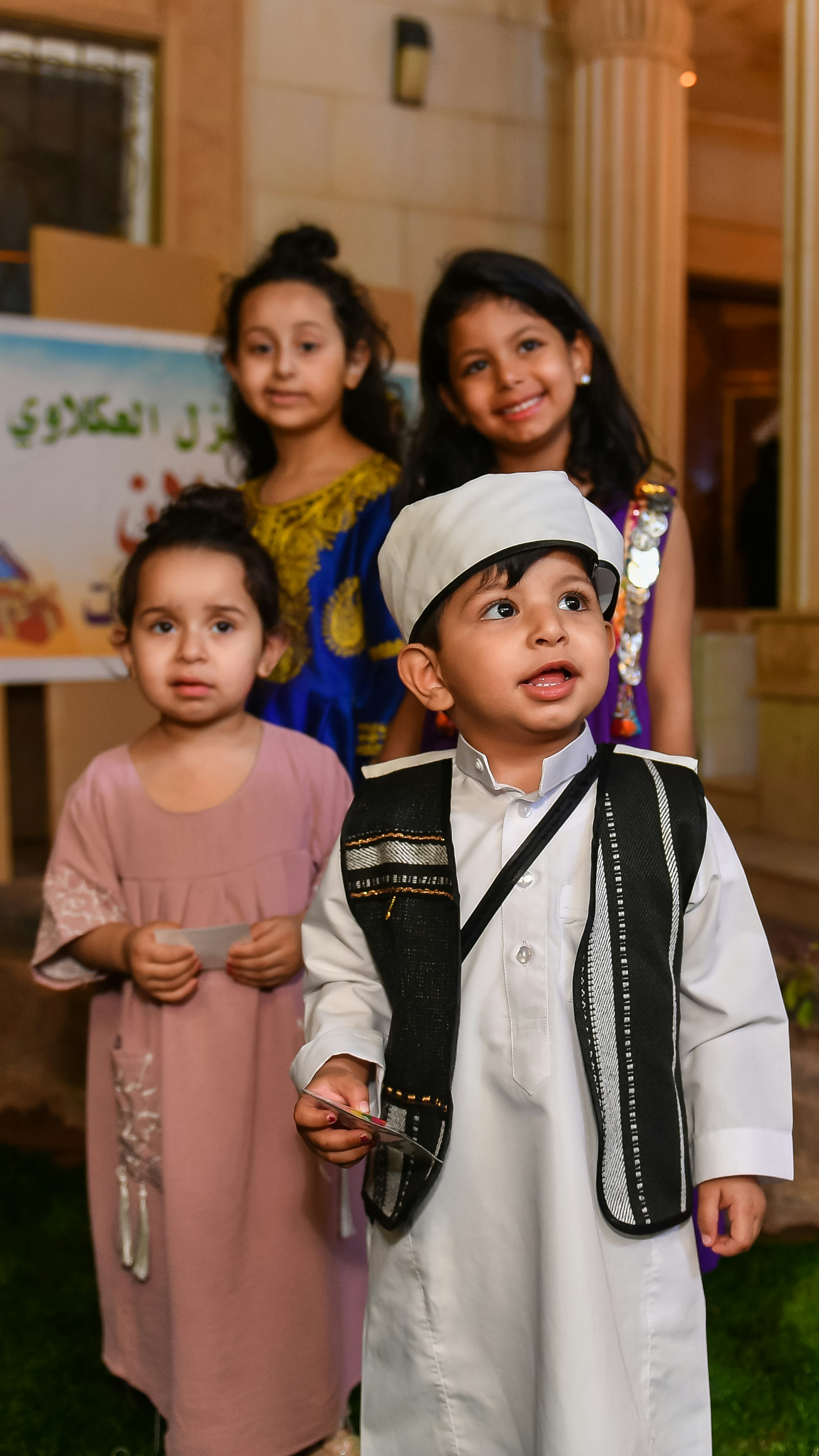
One cousin squeezes her too tight. Another pretends not to care but smiles sideways. The youngest holds out both hands formally, rehearsed, before immediately breaking into laughter. They compare outfits within seconds.
“Turn around, let me see!”
“You copied me!”
"No, I didn’t!”
Someone’s dupatta gets stepped on. Someone accuses someone else of already smelling like food.
The adults exchange their softer, slower Eid Mubarak in the background, heads nodding with a kind of dignified affection. But the children are louder, brighter. Their 'Eid Mubarak' is not polite. It is explosive. It is full of fights and the urgent whisper of, “How much Eidi do you think we’ll get this year?”
Their hands lingered after greetings, not from sentiment, but from uncertainty, believing shared words could make everything official, unbreakable.
It felt impossible that one day they would greet each other through screens. That their Eid Mubarak would shrink into typed messages, sent hours apart across time zones.
Back then, it was breath against breath. Skin against skin. A chorus in the same room.
“Eid Mubarak,” they would say again, just because they could.
I turn away from the balcony, back to work; it felt like any other day.
 For all latest news, follow The Daily Star's Google News channel.
Comments