


Owning EV: How easy is EV maintenance in Bangladesh?

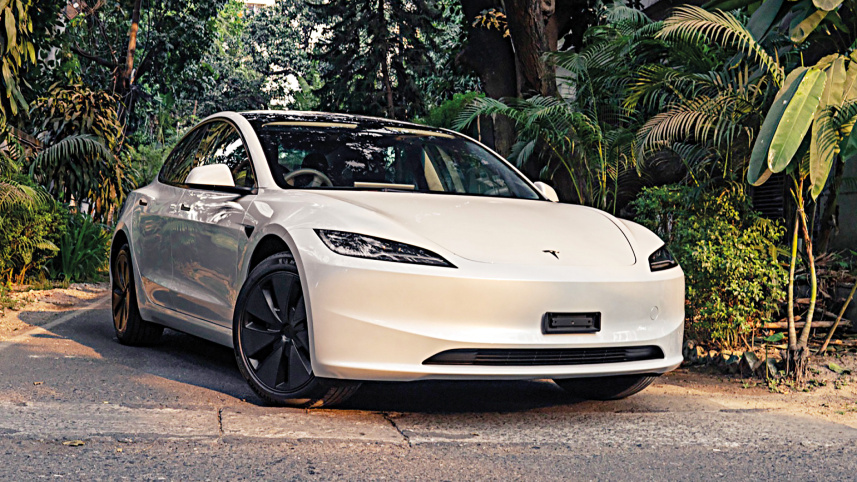
Electric vehicles (EVs) are no longer a futuristic concept in Bangladesh. From electric motorcycles and scooters to a growing number of private electric cars, more consumers are becoming interested in lower fuel costs and environmentally friendly transport. However, for many prospective buyers, one question remains: how difficult is EV maintenance in Bangladesh?
On paper, EVs are easier to maintain than conventional petrol or diesel vehicles. They have fewer moving parts, no engine oil, no spark plugs, and no complex transmission systems. This means owners do not need frequent oil changes or many of the routine servicing requirements associated with internal combustion engine vehicles. For electric motorcycle users in cities such as Dhaka and Chattogram, this often translates into lower regular maintenance costs.

Yet the Bangladeshi reality presents a more complicated picture. Even though you don’t have to be an “Electrical Engineering Graduate” to maintain an electric vehicle, the country still lacks a mature EV service ecosystem. While authorised dealerships for brands such as BYD, MG, Deepal and other newer entrants provide after-sales servicing, independent workshops with trained EV technicians remain limited. Outside major cities, finding mechanics who understand battery systems, software diagnostics or electric drivetrains can be difficult.
Battery health remains the biggest concern for many owners. Lithium-ion batteries typically last several years, but replacement costs can be significant. Bangladesh’s hot climate, poor road conditions and inconsistent charging habits may also affect long-term battery performance. Some owners report concerns about limited availability of genuine replacement parts, particularly for imported electric vehicles.
Charging infrastructure is another indirect maintenance challenge. Home charging is often the most practical option, but voltage fluctuations and unstable electricity supply in certain areas can create problems for charging equipment. Without proper electrical setups, owners may face avoidable repair expenses.
Despite these barriers, the situation is gradually improving. More dealerships are investing in technician training, and government discussions surrounding cleaner transportation may encourage better infrastructure in the future. For owners of electric scooters and motorcycles, maintenance is already relatively manageable due to simpler designs and lower costs. For now, maintaining an EV in Bangladesh is somewhat in the middle. It is easier than maintaining a traditional car in some ways, but harder in others due to limited infrastructure.
 For all latest news, follow The Daily Star's Google News channel.
Comments