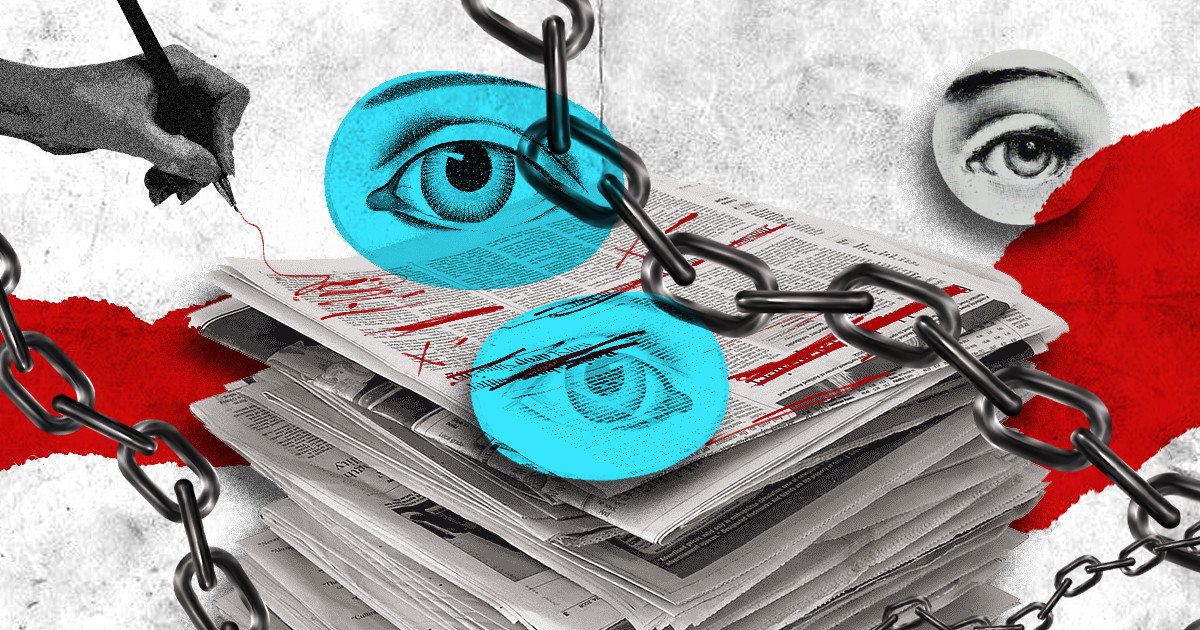
Why political cartoons are dying in Bangladesh

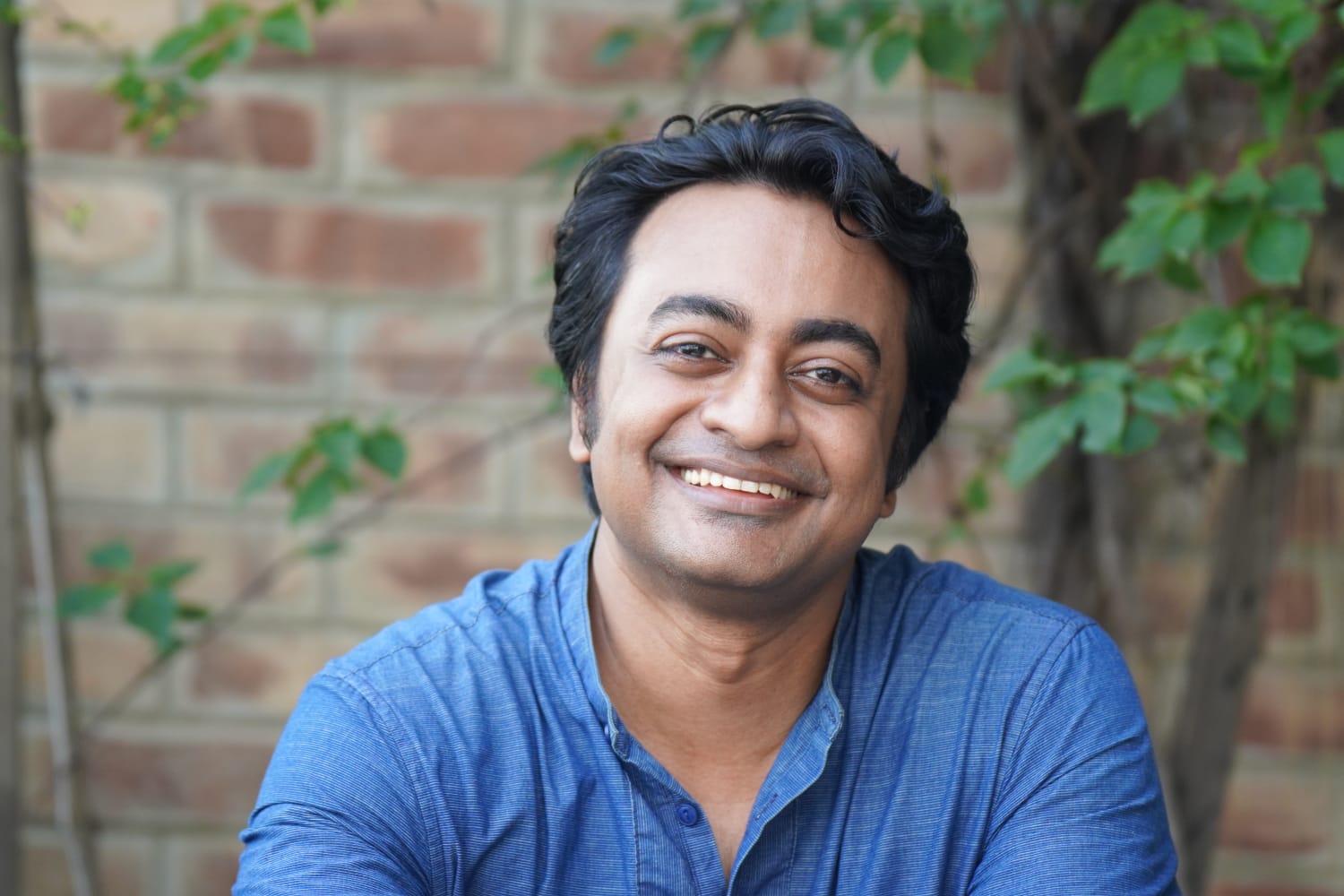
Mehedi Haque, Executive Editor of the satirical magazine Unmad, Senior Cartoonist at New Age, and Editor and Publisher of Dhaka Comics, speaks with Khairul Hassan Jahin of The Daily Star about the shrinking space for political satire amid growing corporate influence, the complex realities of artistic self-censorship, and the global decline of humour in public discourse driven by the monetisation of news.
The Daily Star: Having been part of Bangladesh’s cartooning scene for years, when did you first begin to notice the space for political satire narrowing in mainstream newspapers, and what were the early warning signs?
Mehedi Haque: I began to notice a shift when a political party secured a two-thirds majority and entered an unusually long period in power, gradually taking on the characteristics of an elected authoritarian system. During that time, several large business groups established media outlets, and maintaining a favourable relationship with the government became increasingly important for them.
As a result, informal in-house restrictions began to emerge, particularly around criticising or mocking members of the ruling party. Social media also played a role by amplifying potential backlash, often exaggerating the consequences of political satire.
At the same time, artists were presented with many financially rewarding opportunities, including projects that directly supported or promoted the ruling establishment. Given this environment, many artists chose these relatively “safe” and stable opportunities over the perceived risk of political cartooning.
TDS: Why do you think newsroom editors have become more cautious in their approach to political cartoons, rather than treating them as a vital journalistic tool? Are there particular topics that have effectively become ‘untouchable’ today?
MH: I cannot comment in detail, as I have not personally encountered this issue in my own newsroom. In our space, no topic is considered untouchable. However, I believe this concern is often linked to how closely a media organisation aligns itself with the ruling establishment.
With the rise of corporate ownership in the media, such compromises have become more common. Editorial decisions are sometimes influenced by institutional interests, leading to caution around sensitive topics.
In my own experience, I have received several legal notices through my office. However, since our work is always based on well-sourced, factual reporting, we have been able to respond to those challenges with confidence and without hesitation.
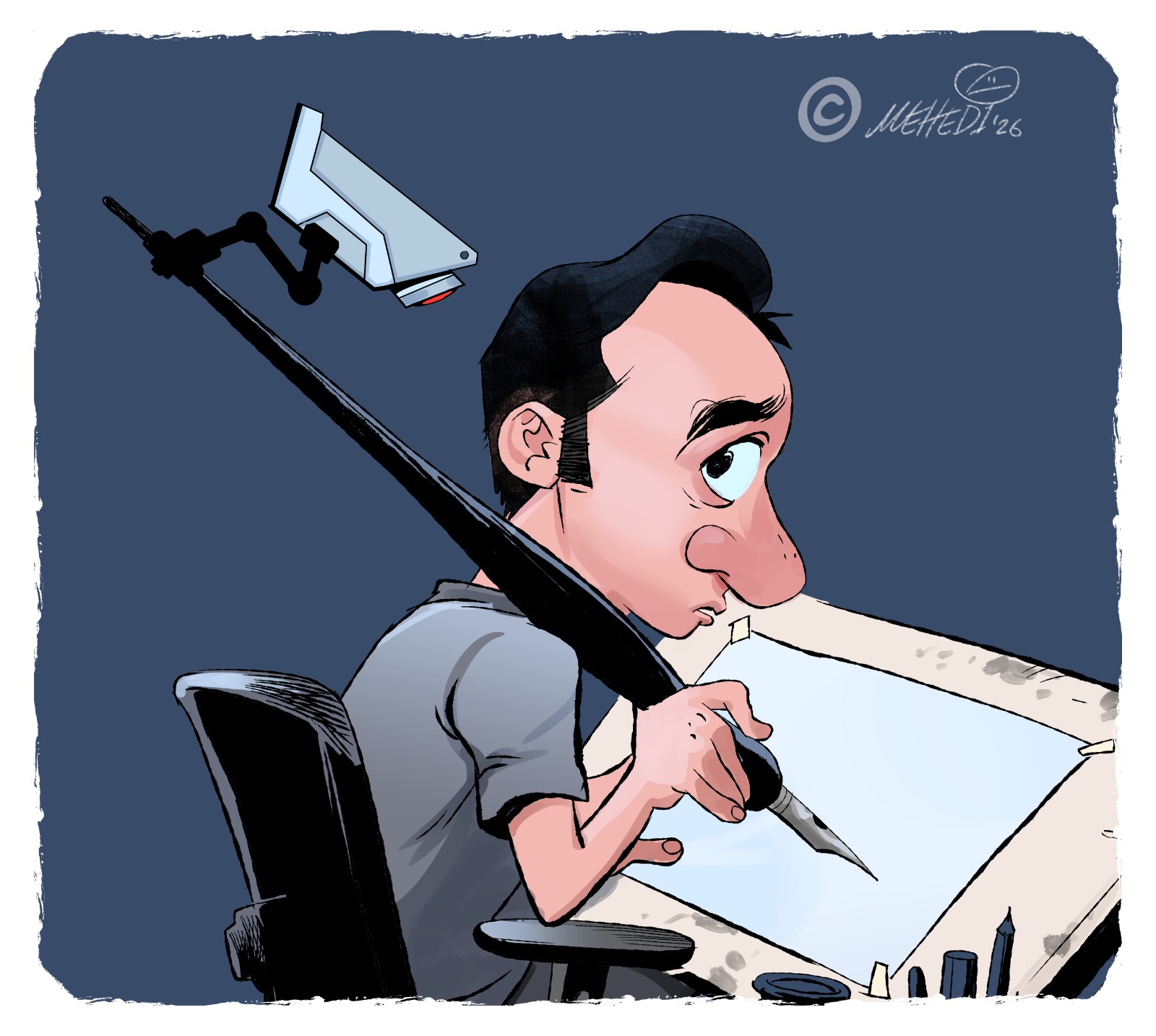
TDS: How is the line drawn today between sharp satire and what the establishment may see as a ‘personal attack’? Do you think the decline of cartoons is driven more by institutional pressures or by cartoonists exercising self-censorship out of caution?
MH: I believe the line is crossed when a cartoon loses its wit and sense of humour; at that point, it can begin to feel like a personal attack. Cartooning is a powerful language because it does not rely on text, and political cartoons often need to target a person or an issue. However, a strong political cartoon should always be delivered with humour. Without that balance, people can become easily offended.
Of course, this boundary is highly subjective. Still, maintaining a subtle layer of humour is essential to keeping satire effective rather than hostile.
As for the disappearance of cartoons, I think it is more influenced by self-censorship than by direct top-down censorship. In today’s environment, artists are often aware of potential backlash, and that vulnerability shapes what they choose to express.
At the same time, we are increasingly seeing content driven by negativity and outrage, as these are easier to monetise than humour. This shift also plays a role. Personally, I believe the monetisation of news and social messaging should be reconsidered, as it often discourages thoughtful, nuanced satire.
TDS: Political cartoons have historically served as a barometer of press freedom. With their near disappearance from print media, what exactly is being lost in Bangladesh’s public discourse?
MH: The unfortunate reality is that this is not only happening in Bangladesh. As capitalism continues to grow, we are gradually losing satirists. In many cases, politicians have actually appreciated being caricatured because, beyond the mockery, it also gives them visibility and a certain form of importance. To my knowledge, professional cartoonists in Bangladesh have rarely been directly harassed or imprisoned by politicians, though there have been incidents involving freelance cartoonists.
With the rise of corporate ownership in the media, such compromises have become more common. Editorial decisions are sometimes influenced by institutional interests, leading to caution around sensitive topics.
More broadly, what is being lost is humour itself. This is a unique human capacity to reflect, critique, and cope. Its absence creates a space where frustration is no longer released through wit or satire, but instead risks turning into anger and division. In that sense, it is not just Bangladesh; the world is gradually losing a vital cultural tool, and that loss is increasingly contributing to a rise in hostility and intolerance.
There are three key points I would like to highlight.
First, it is largely up to cartoonists or artists themselves. We need to create more work and draw more. As artists, we should not create only for money. Throughout history, regardless of circumstances, artists have continued their work, whether or not there was financial reward. This is part of our existence. If cartoonists or artists begin to compromise for money, they risk losing moral courage, leading to self-censorship, which may eventually spread across platforms.
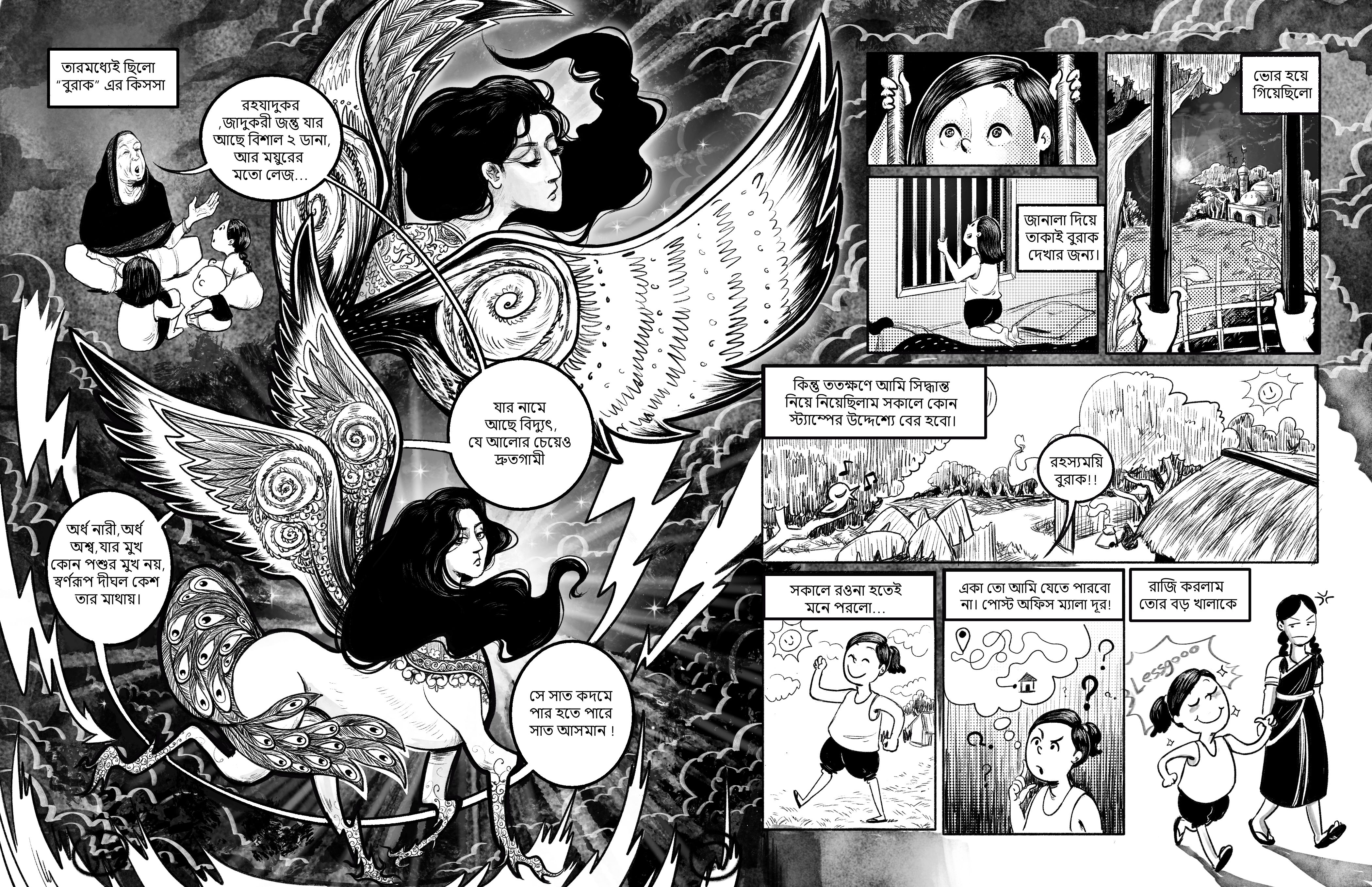
Second, the responsibility also lies with editors. They should actively encourage more cartoons. To become a strong political cartoonist, it is essential to have a supportive editor who truly understands and appreciates the medium.
Finally, and I admit this may be difficult to achieve, I believe the monetisation of news content should be reconsidered. If financial incentives are reduced or removed, artists and writers may feel freer to express what is truly important, rather than focusing on what generates more revenue.
Send your articles for Slow Reads to slowreads@thedailystar.net. Check out our submission guidelines for details.
Can Bangladesh bring its hilsa back?
Can the new strategy achieve Bangladesh’s renewable energy targets?
André Wink speaks / What we get wrong about the Indo-Islamic world
Bengali Muslims and the ghosts of India's citizenship politics

Bangladesh’s solar growth: Will the incentives be enough?
The missing link in Bangladesh's innovation economy
Dhaka’s battery rickshaw problem is economic, not just about traffic
The staircase between our mothers and care
Is Bangladesh prepared for the next food shock?