


Writing a brighter future with ceramic sludge

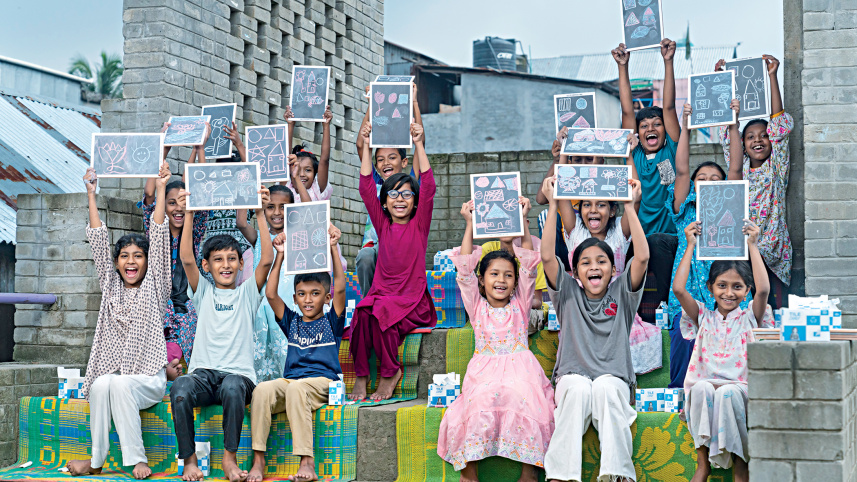
In the industrial belts of Bangladesh, the success of the ceramics sector has long been shadowed by a stubborn byproduct: ceramic sludge. Unlike organic waste, this industrial residue, a byproduct of intensive water recycling, does not decompose. When dumped irresponsibly, it can leach into soil and water bodies, posing a long-term environmental threat.
When the industry was grappling with environmental liability, an initiative called “TileChalk” is turning this liability into an educational asset. It suggests a newer approach for heavy industries like the ceramics to address its responsilbility towards society and environment while cleaning up its own backyard.

By transforming what was once considered waste into something meaningful, we aimed to reduce environmental impact while creating new opportunities for industry.
A Dual Crisis: Waste and Scarcity
On the other, the country’s local chalk manufacturing sector has been teetering on the edge of collapse. According to the Bangladesh Ceramic Manufacturers and Exporters Association (BCMEA), the country has 62 ceramic companies. Together, they have a combined annual production capacity of 207 million square metres of tiles. This large production capacity leads to thousands of tons of ceramic sludge annually. Ceramic sludge is generated during the water recycling process of tile manufacturing. This residue does not decompose. If dumped irresponsibly, it poses significant risks to soil and water bodies. While broken tiles were easily repurposed, this sludge is a major environmental hurdle.
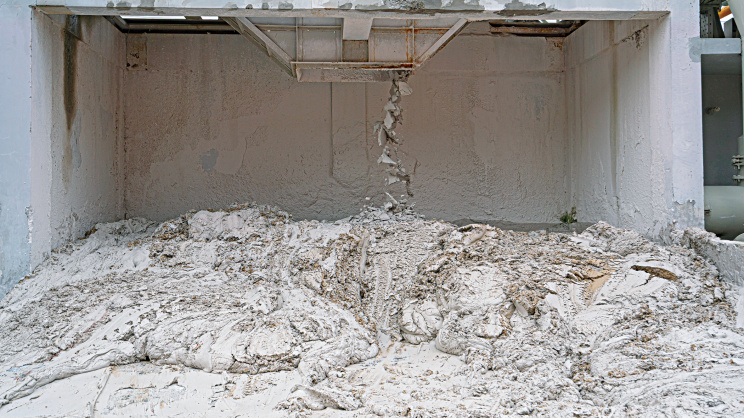
Ceramic sludge is rich in calcium carbonate. Calcium carbonate is used in construction materials like cement, as a medical antacid, for agricultural soil neutralisation, and as a vital filler in paper, plastics, and paints. But it is a staple for manufacturing classroom chalks. Bangladesh’s local chalk manufacturing sector was facing a crisis of its own. Rising import costs for calcium carbonate forced many local factories to slash production. This created a vacuum in rural and underserved schools, forcing them to rely on expensive disposable markers and imported notebooks.
“TileChalk was driven by the belief that waste should not be seen as something to discard but as a potential resource,” says Mohammad Bayazed Bashar, Chief Business Officer of DBL Ceramics. “By transforming what was once considered waste into something meaningful, we aimed to reduce environmental impact while creating new opportunities for industry.”
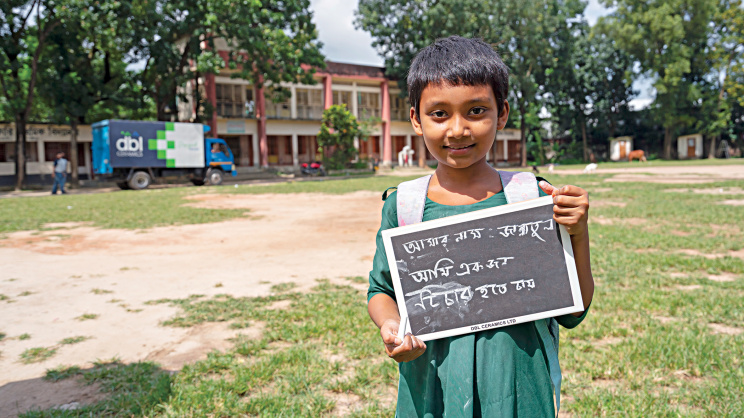
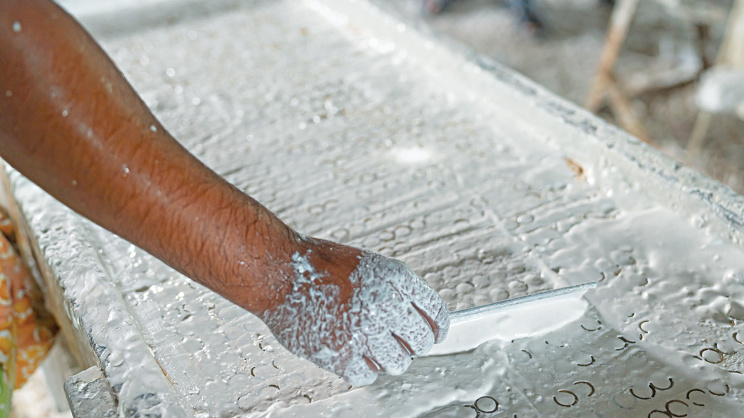
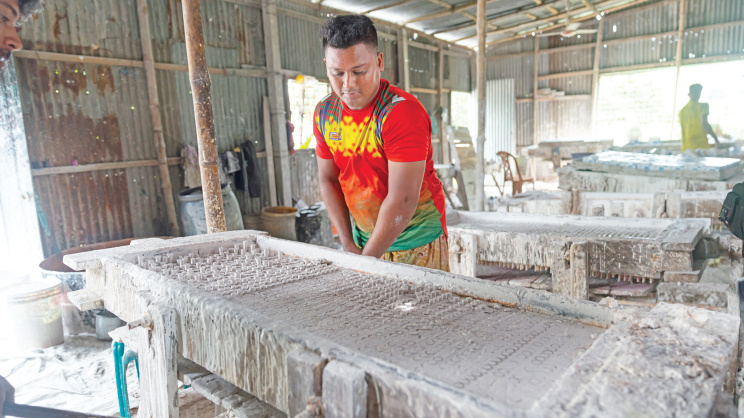
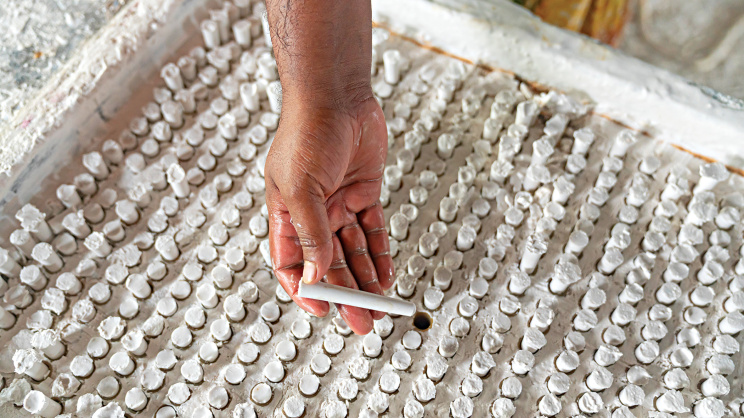
The transition from factory residue to classroom tool required six months of intensive research and refinement. The process involved drying, crushing, and sieving the sludge before blending it with gypsum powder and binders. The result was a safe, durable, and high-quality chalk stick that cost significantly less to produce than traditional versions.
After a successful turnout, DBL opted for a collaborative approach. They partnered with struggling local chalk manufacturers, providing them with the raw material and the refined formula. This move not only scaled the project quickly but also revived two failing factories, preserving local jobs and reducing the nation’s import dependency.
To date, the project has reported significant data-driven results:
* Waste Management: Within the first three months, 10 tons of ceramic sludge were diverted from landfills.
* Production Volume: Over 21.6 million chalk sticks have been manufactured using the recycled formula.
* Economic Impact: Production costs for participating local factories have dropped by approximately 40%, and two struggling factories have been revived, preserving local manufacturing jobs.
* Educational Reach: Through partnerships with NGOs like Amal Foundation and Bidyando Foundation, the tools have reached over 1,000 schools, with some reports suggesting an impact on up to 4,000 underserved learning centres across the country.
From Proprietary to Open Source
While the project was initiated by DBL Ceramics, the company has made the TileChalk formula open-source. To share the formulation with competitors suggests a shift toward a “collective responsibility” model. “Success for TileChalk means ensuring zero dumping of ceramic sludge by fully integrating it into productive use,” says Mohammad Bayazed Bashar, Chief Business Officer at DBL Ceramics. “When waste consistently turns into value across industries and communities, that is true success.”
The company has also integrated the use of broken tiles, repurposing them into lightweight, reusable slates. This move addresses the “plastic-based tool” dependency in classrooms, offering a more durable, eco-friendly alternative to traditional stationery.
Global Recognition and the Road Ahead
The initiative has not gone unnoticed on the global stage. It recently secured a Bronze Award at Spikes Asia 2026 and a Silver Lotus at ADFEST 2026, marking a rare instance of a Bangladeshi industrial project gaining international acclaim for “Creative B2B” and “Sustainable Lotus” categories.
However, challenges remain. For this model to become a national standard, more manufacturers must adopt the water recycling and sludge-collection processes required to harvest the raw materials. Scaling the project requires a robust logistics network to transport sludge from factory floors to chalk manufacturers and eventually to remote schools.
 For all latest news, follow The Daily Star's Google News channel.
 For the thousands of students now using these recycled tools, the lesson is clear: a sustainable future is not just about what we stop doing, but what we reimagine.
Comments