


Can ceramics build a sustainable future?

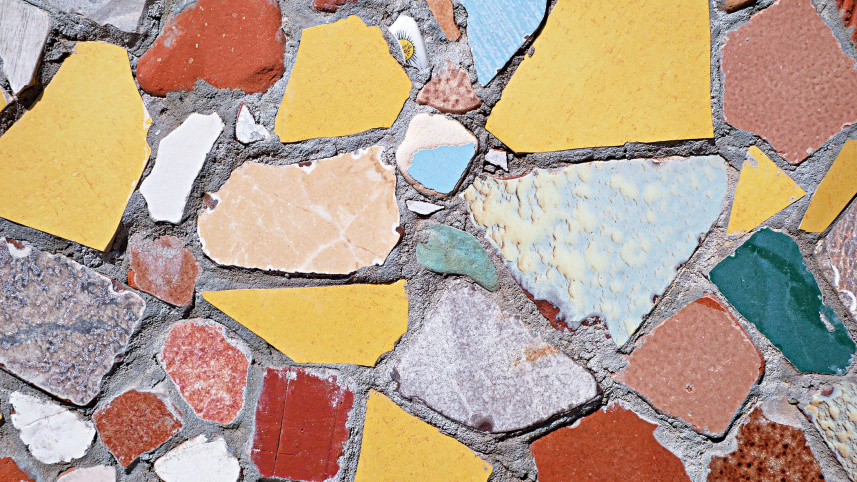
In the world of architecture and interior design, surfaces are frequently viewed through the lens of aesthetics alone. We choose a floor or a wall finish based on how it catches the light or how it complements a piece of furniture. However, as the global push for environmental responsibility intensifies, the conversation is shifting. Designers and homeowners are starting to realise that surfaces do far more than just finish a space.
The End of Disposable Design

The most sustainable product is often the one that never needs to be replaced. In an era dominated by fast fashion and disposable interiors, ceramics stand as a defiance against the culture of waste. Unlike synthetic laminates or carpets that may wear out, fade, or trap odours within a few years, high-quality ceramic tiles are designed to last for decades. The durability of ceramics also means they can withstand high traffic, moisture, and chemical exposure without losing their structural integrity. When a material does not degrade, it stays out of the landfill. This longevity transforms a surface from a temporary decorative choice into a long-term environmental asset. In the broader context of urban development, using enduring materials is the simplest way to reduce the carbon footprint associated with constant renovation and repair.
Improving Indoor Environments
Ceramics are fired at extremely high temperatures, making them inorganic and completely inert. They do not outgas harmful chemicals, ensuring that the air remains clean. Furthermore, their non-porous nature prevents the growth of mould, bacteria, and allergens, which is essential for creating hypoallergenic living environments. Thermal performance is another area where surfaces play a functional role. Ceramic tiles have high thermal mass, meaning they can absorb, store, and slowly release heat. In warmer climates, they remain cool to the touch, reducing the need for intensive air conditioning. In colder settings, they can be paired with radiant heating systems to distribute warmth efficiently. This natural temperature regulation helps lower energy consumption, making the home or office more self-sustaining. Ease of maintenance also plays a part. Because tiles require only water or mild, non-toxic cleaners, they eliminate the need for harsh chemicals that eventually find their way into the water system.
Revolutionising Production
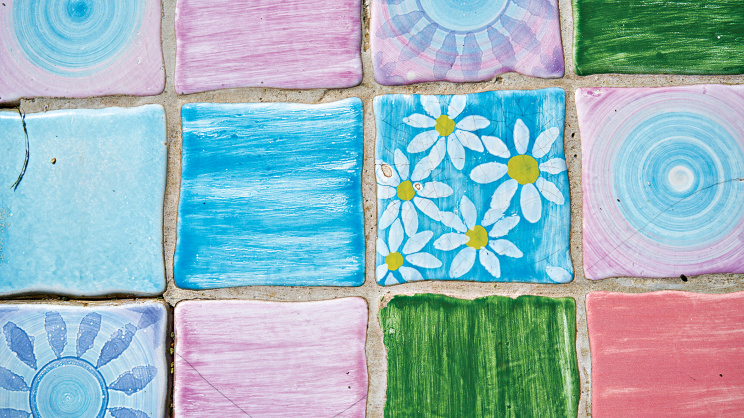
The sustainability of a surface starts long before it is installed. The ceramic industry has undergone a quiet revolution in how it handles resources. Modern manufacturing now focuses on closed-loop systems where water and raw materials are reused rather than discarded. One of the most significant advancements is the management of ceramic sludge, a byproduct of the production process. Instead of letting this residue become industrial waste, innovative companies are now drying and refining it to create new products, such as educational tools or construction fillers. Responsible sourcing is also becoming the industry standard. Many manufacturers now utilise recycled content from broken tiles or glass to create new collections, reducing the need for virgin clay and minerals. This commitment to a circular economy ensures that the industry cleans up its own backyard while providing high-value materials to the market. When waste is reimagined as a resource, the environmental cost of production drops significantly, allowing for a cleaner industrial landscape.
Connecting the Aesthetic Value
There is a profound link between design quality and sustainable consumption. When a space is designed with high quality, beautiful materials, people are more likely to care for it and less likely to tear it down. This emotional durability is a key component of sustainability. If a surface is timeless in its design and superior in its craft, it transcends trends. Sustainable surfaces encourage us to move away from the cycle of constant consumption and toward a model of conscious investment. By prioritising materials that offer long life, health benefits, and responsible origins, we create spaces that are not only beautiful but also resilient. The choice of a tile is no longer just a finishing touch. It is a statement of intent for a future where our buildings work in harmony with the environment rather than at its expense. As we continue to redefine what it means to build well, ceramics prove that the most beautiful surfaces are the ones that are built to last.
 For all latest news, follow The Daily Star's Google News channel.
Comments