


The positive impact of pets on children's development
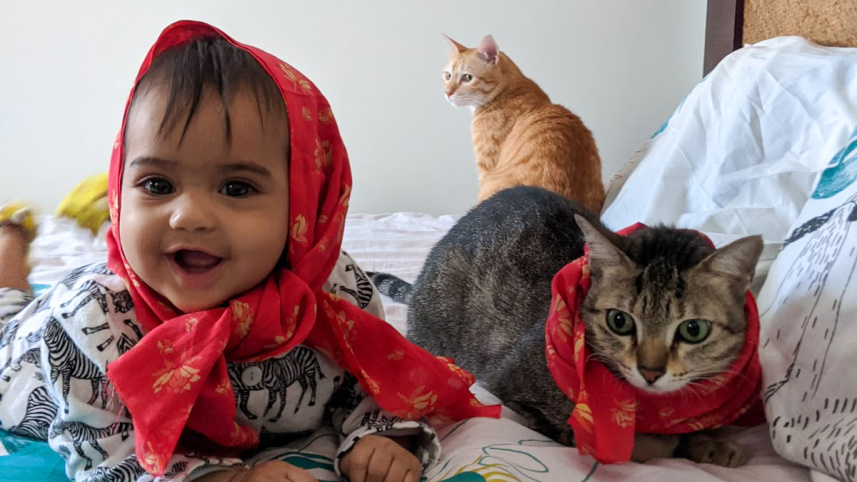
After a long day away from home, there's nothing quite like being greeted by a wagging tail, a soft meow, or a bunny hopping around with excitement because you have returned home to them – your beloved animal companion. They will welcome you with great enthusiasm even if you have only been gone for 15 minutes.
Pets bring joy and comfort to a home, but when there is a child in the house, their role goes far beyond companionship.

Research shows that children with pets grow up experiencing healthier emotional, cognitive and physical development. Being emotionally attached to a pet provides a strong sense of security, especially at a time of crisis, or a stressful period or major change in life. Interacting with animals is associated with lower levels of stress hormone cortisol and an increasing level of oxytocin, which helps to relax, build trust and an emotional connection.
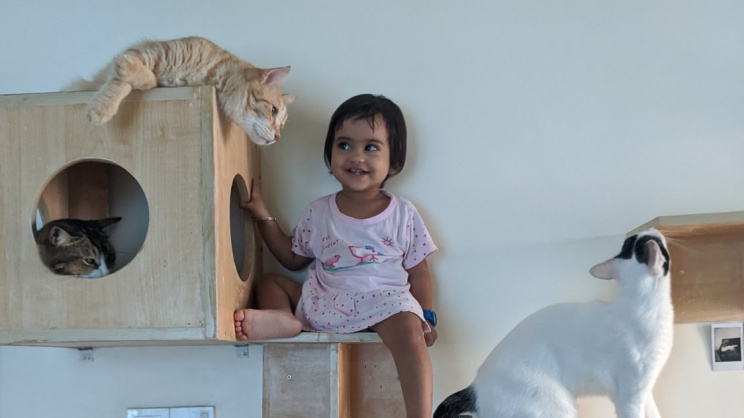
Today, most children have access to the internet, smartphones, and other digital devices. The excessive screen time has become something all parents are extremely concerned about. Spending long hours on smartphones, computers, or tablets is all linked to a lack of physical activity, obesity, short attention span, and difficulties with social interaction.
But when there’s a pet at home, children are more likely to spend time away from screens. Instead of spending hours glued to smartphones or tablets, imagine the child is being reminded by their excited pet for their daily walks or grooming sessions. Playing with pets can be very stimulating, especially when a child is trying to train them and teach them new tricks. Every new trick learned is a big achievement for both the child and their animal companion.
Pets, mostly dogs, encourage and engage children in regular physical activities. That, in turn, gets the children moving as well, improving their health and keeping them fit. Some scientific studies further suggest that early exposure to pets may lead to the development of a stronger immune system and reduce chances of certain allergies in some children. This, of course, depends on maintaining proper hygiene and veterinary care of the pets.
Besides, when children are taking care of their pets, like filling up their feeding and water bowls and grooming, it teaches them about responsibility and consistency, helping to develop self-discipline, accountability, and organisational skills. This process can help build empathy and compassion in children, making them grow more aware and attentive of others’ feelings. Regular interactions with pets help improve children’s verbal communication and emotional intelligence.
This impressive bond between a child and their pet has even made its place in science and healthcare. Animal-assisted therapy (AAT) is an evidence-based therapy where trained animals are used with the guidance of a healthcare or mental health professional to improve an individual's overall health. This approach is becoming increasingly popular for supporting children with special needs.
Of course, the relationship between a child and their pet should also support the animal's welfare. Pets are living beings with emotional, physical, and behavioural needs. They are not toys or a temporary source of entertainment. It is the responsibility of parents to teach their children how to respectfully interact and handle an animal. They must also take care of the animal’s regular veterinary care, such as vaccinations, parasite prevention, a nutritionally balanced diet, etc.
 For all latest news, follow The Daily Star's Google News channel.
Comments