


The return of Y2K culture: what does this mean for us now?
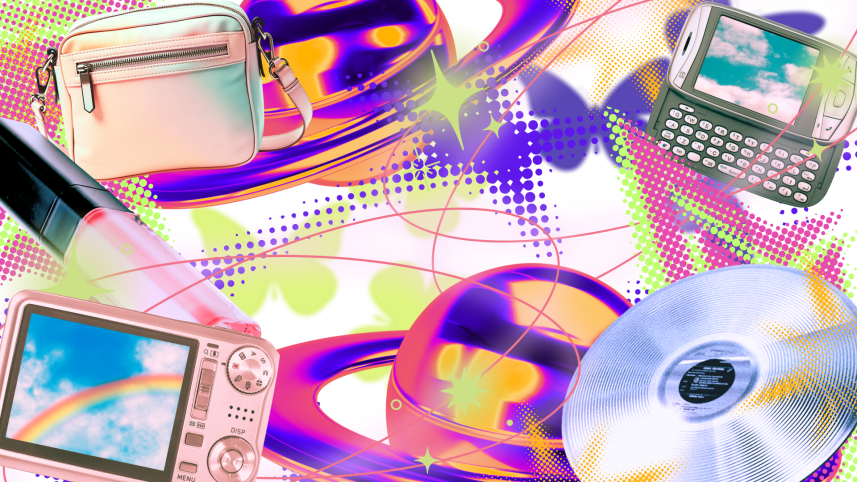
It begins, as most things do nowadays, on social media and pop culture. The comeback of the 2000s is loud, glittery, pink, and very evident.
Album covers are full of metallic fonts; on TikTok, club beats from the early 2000s are everywhere. Butterfly clips, mini bags that hold absolutely nothing, platform shoes, and shiny lip gloss have returned. The clothes are not subtle or sensible. They do not care about practicality. They care about the fun of standing out. Nothing was about silence, and everything was about sparkle.

Y2K is crashing through the door, holding a digital camera, posing with peace signs, asking you to take a photo using flash.
The early 2000s had a strong grip on the music industry, particularly in the club and pop genres. Songs were written to make people move, and that energy is returning now, partly because we are craving something that feels happy without requiring us to think too hard. The new pop girls, whether it is Tate McRae, Katseye, PinkPantheress, or Sabrina Carpenter, feel similar to an MTV production. Even people who never lived through the original Y2K era feel drawn to the music. There is a sense of freedom. It makes you want to dance, not analyse.
Even technology has been absorbed into the Y2K fantasy. Digital cameras are trending again. Not the fancy DSLR kind, but the clunky pocket cameras from the early 2000s. People want the grainy flash, the blurry lighting, and the imperfect photos. People are choosing that over the high-definition perfection of smartphones.
Films and television from the early 2000s are also coming back. Rom-coms from that era have turned into comfort rewatches, for good reason. How to Lose a Guy in 10 Days, Legally Blonde, The Princess Diaries, 13 Going on 30, Freaky Friday, and The Devil Wears Prada are everywhere on TikTok edits, fan accounts, and Instagram screenshots.
Shows are also following the same formula. Love triangles, prom episodes, and the slow-burn romance with the missed text that feels like the end of the world. Series such as The Summer I Turned Pretty, the Gossip Girl reboot, and even Bridgerton borrow the similar emotional pull that early 2000s teen dramas perfected. These stories do not ask you to solve anything; they give you makeover scenes, misunderstandings, dramatic kisses on staircases, and a happy ending waiting for you like a reward. In a world that feels unstable, these films and shows offer certainty. They give us a world where the girl gets the job, gets the guy, finds herself, and does it all in pink heels and a tiny handbag.
Fashion has followed the exact same emotional pattern. Baby tees, crop tops, and animal prints are back. People want to wear miniskirts with no regard for practicality. They want to be bold, colourful and a little bit ridiculous. It is easy to see the appeal. The Y2K look says you do not have to take yourself so seriously; just put on the sparkly shoes and call it a night.
And since fashion always connects to beauty standards, the return of low-rise jeans and baby tees carries a deeper consequence. Those pieces are tied to a very specific body ideal. The early 2000s were strict about body image. Thinness was required. Magazines, adverts and pop stars all sent the same message: if you were not extremely thin, you did not belong in fashion. And while we talk about fashion trends returning, we do not talk enough about how the pressure to be small is returning alongside them.
Before, when low-rise jeans evolved into baggy jeans and crop tops evolved into oversized drop shoulders, people embraced body positivity. Clothes became comfortable, and self-acceptance became possible. Now, it seems we are reverting back.
And the revival is also about the culture that surrounded them. Brands that once defined the early 2000s are being pushed back into relevance, such as how Victoria’s Secret, once criticised for pushing unattainable beauty standards, is supposedly coming back. Y2K is not only returning through fashion; it is returning through expectation as.
Another part of the Y2K era that is returning is the ranking of bodies. This shift explains the sudden rise in conversation about Ozempic. Ozempic is a medication for diabetes, but online it has turned into a secret weight loss fix for celebrities and the masses alike. People are using it even without medical need. It has become a shortcut to reach the same body ideal that Y2K glamour once demanded and is discussed openly on social media. Thinness is becoming a goal again, not for health, but for aesthetics.
What made it plausible was the makeover narrative. Movies told us the same story over and over again: the girl becomes worthy only after a transformation. Change your hair, your clothes, and your body, and then life will reward you. Today, the algorithm offers its own version: glow-ups, weight loss journeys, and aesthetic shifts.
So, the real question becomes, why now?
Sociologists such as Fred Davis explain that eras do not return randomly. We resurrect the aesthetics of whatever time felt emotionally lighter than the present. Y2K feels light, so we are using it to soften a world that feels painfully sharp now. It is not nostalgia, not really. It is an escape. The world today is overwhelming with climate fear, political tension, war, financial stress, and constant bad news.
Nostalgia can bring back joy, but we decide whether it brings back harm. If we are deliberate, Y2K does not have to be a repeat of the same pressures and exclusions. It can be a reminder that life can be bright and playful, without demanding that we shrink or perform to deserve it. Trends will always cycle, but how we engage with them is entirely in our control. We can take what once felt light and refuse to repeat what once caused damage. The revival is happening, and the responsibility is ours.
Reference:
- Davis, F. (1979). Yearning for yesterday: A sociology of nostalgia. Free Press.
 For all latest news, follow The Daily Star's Google News channel.
Comments