


Making smartphones cinematic: The Park Chan-wook Way
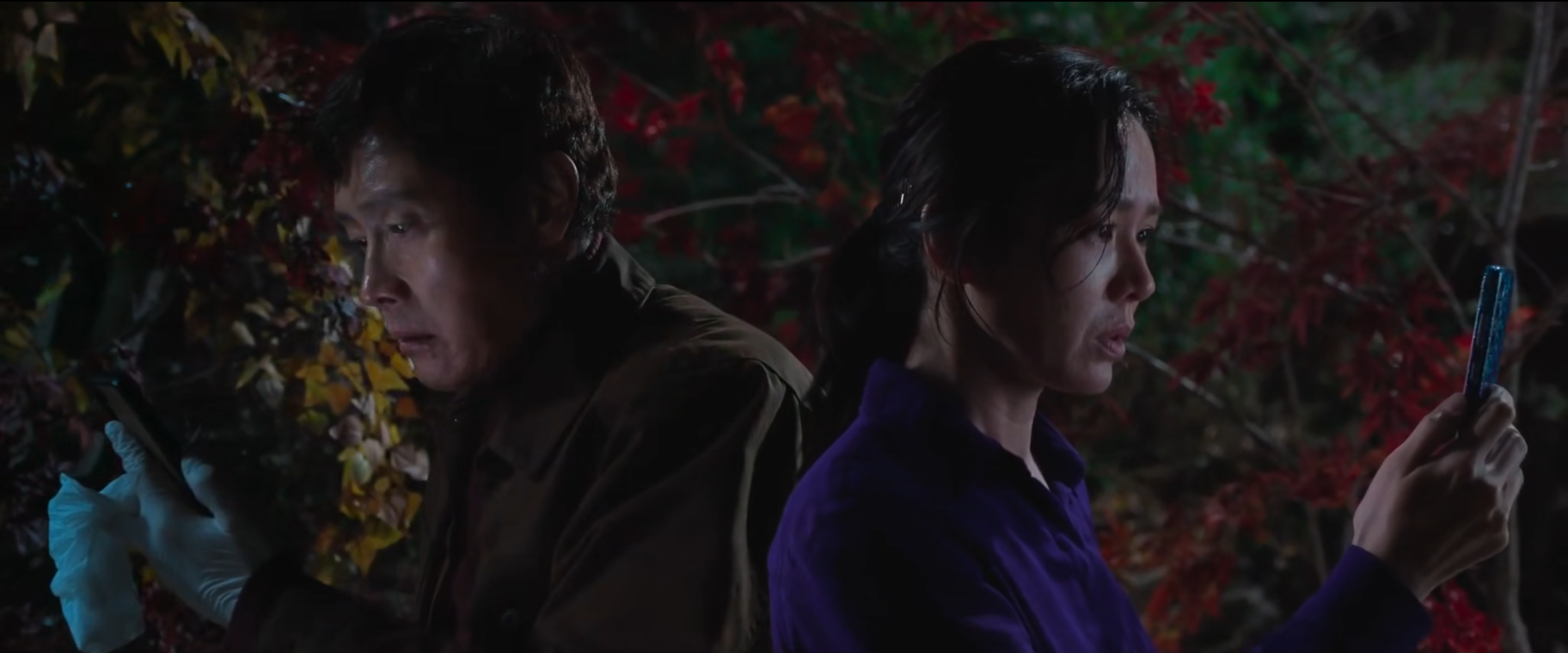
Contemporary filmmakers are still grappling with something small: smartphones.

It’s not like phones are absent from movies. Characters call. They text and scroll. But mostly, it all looks the same. A static hold on a screen so the audience can read a message, then a cut to the character’s reaction. Sometimes the text bubbles themselves appear in frame. So, what’s wrong with any of this?
To understand that, it helps to look at films that were set in older times. When phone booths glowed under streetlights, isolating characters in glass boxes of vulnerability. Calls would abruptly cut off when coins ran out, like in Spider-Man 2 when Peter was about to confess his feelings to MJ — a hilarious yet brutal detail that told us everything about his financial reality.
Landlines had texture. Characters were tethered to them, played with coiled wires as they talked to loved ones. Anger was felt with weight as receivers were slammed down. Phones rang in distant rooms, forcing characters to run, creating urgency, and sometimes life-or-death stakes, like in The Matrix. Papers were burnt in dramatic acts of erasure. Communication wasn’t just functional. It had physicality, tactility and limitations through which cinema found tension, conflict and characterisation.
Then modern phones came along and changed the equation. The obstacles that once shaped drama quietly disappeared, replaced by devices that put the world at our fingertips. But beyond narrative convenience, there’s an aesthetic problem too. Modern phones often feel uncinematic.
The problem with mobile screens is that when they appear, it looks flat. We’re looking at a screen within a screen. Where older technologies offered texture and spatial dynamism, smartphones often reduce visual storytelling to a static interface.
Director Robert Eggers said in an interview that the idea of filming smartphones feels like “death". Many directors either avoid contemporary settings altogether or sidestep modern devices even within them. And when they do include them, it’s mostly the same visual language.
Enter Park Chan-wook, the mind behind films like Oldboy, Lady Vengeance, and The Handmaiden. His two recent films show how he sees modern devices not as problems but as possibilities, both stylistically and narratively.
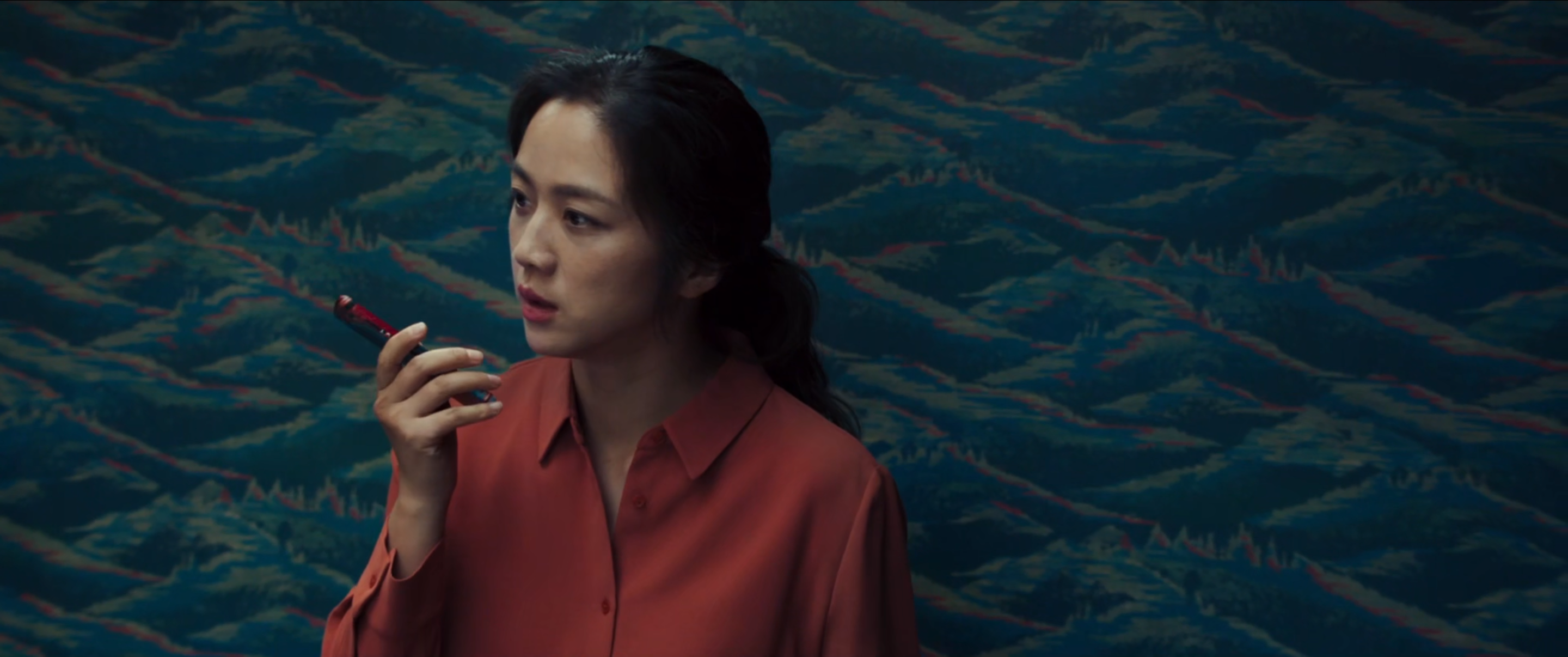
In Decision to Leave, a homicide detective becomes entangled with his prime suspect. Their relationship unfolds primarily through voice recordings on smartwatches, translation apps, location tracking, and surveillance footage. The little rectangles become mediums of romance, as desire and yearning are mediated and, somehow, deepened through them.
In No Other Choice, a dark comedy thriller about a man eliminating his job competition one by one, Park pushes things further. In a single shot, we not only see the faces of characters as they video call, but we also see what they’re hiding in the foreground. The staging of devices and characters splits drama into multiple planes of the frame, creating tension, irony, and humour in ways that are only possible through modern devices.
Park’s obsessions with reflections and clever transitions pay off immensely with his depiction of phones. Reflections allow him to combine action, reaction and the screen within one dynamic shot. By filming a character’s face reflected in the glass of a screen, he retains depth while showing us the digital data on the screen, creating three-dimensional compositions. The result is some of the most striking shots of smartphones in contemporary cinema, evoking the voyeurism of Alfred Hitchcock and the longing of Wong Kar-wai.
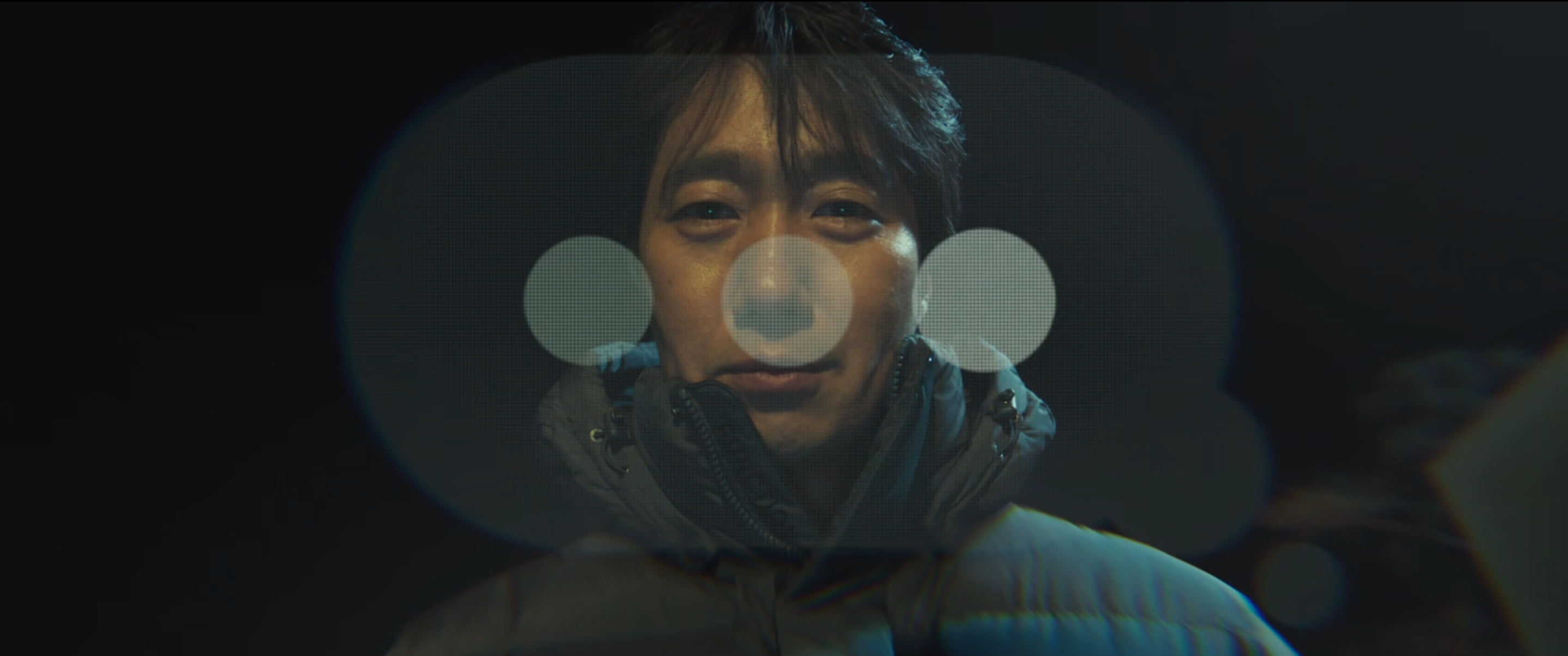
But Park isn’t crafting these shots just for the sake of it. Many films have played with screen interfaces in flashy ways. What sets his choices above mere gimmicks is his philosophy that our devices are no longer external objects but extensions of our bodies, like an organ that we carry with us all the time. So, by overlaying digital interfaces on characters’ faces, Park blurs the line between body and device. He pays meticulous attention to the lighting and colour grading of these effects, so whether it’s comedy, noir or romance, they never clash with the overall aesthetic of the film.
Of course, this doesn’t mean every film needs to feature smartphones or portray them with stylistic maximalism or reinvent the form. But avoiding them out of fear that they’re not “cinematic” would also not be a true reflection of contemporary lives. Park Chan-wook demonstrates that phones can be cinematic, not despite what they are, but because of it.
As viewers, when we see a character pick up a phone, we subconsciously know what visual grammar to expect. But when a Park Chan-wook character picks one up, we have no idea what craziness is coming. It’s cinema as a medium being pushed before our eyes, someone willing to crack the code of making the little boxes in our pockets cinematic and making it look effortless.
Miazee Abrar drowns in daydreams and writes stories for worms.
 For all latest news, follow The Daily Star's Google News channel.
Comments