


Why Rodri, not Messi, won the World Cup Golden Ball

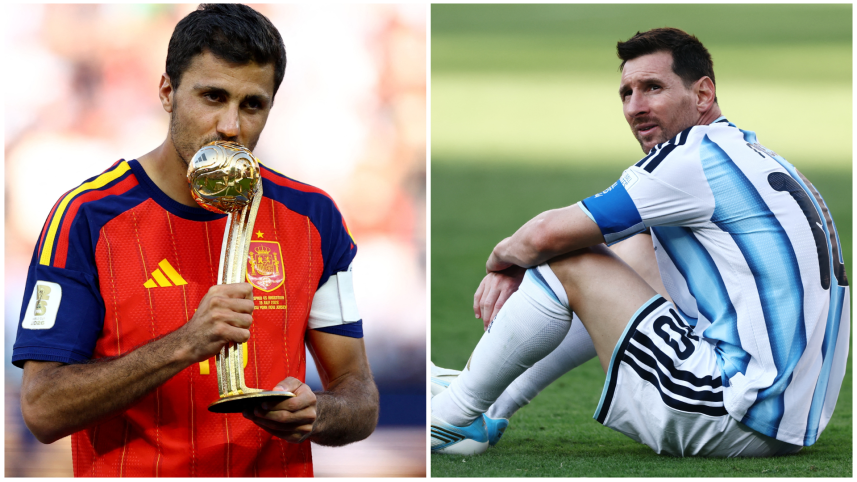
Spain's midfield linchpin Rodri did not register a single goal or assist in eight matches as La Roja beat Argentina 1-0 after extra time in the World Cup final in New York on Monday to lift their second world title.
Yet it was the 30-year-old who walked away with the Golden Ball, awarded to the tournament's outstanding player, ahead of Argentina captain Lionel Messi.

For many, the decision came as a surprise. Messi, 39, produced one of the finest individual tournaments of his illustrious career, scoring eight goals and providing four assists while dragging Argentina to a second successive World Cup final. He registered at least one goal contribution in every match until the final, where Argentina failed to register a single shot on target in more than two hours of football against Spain.
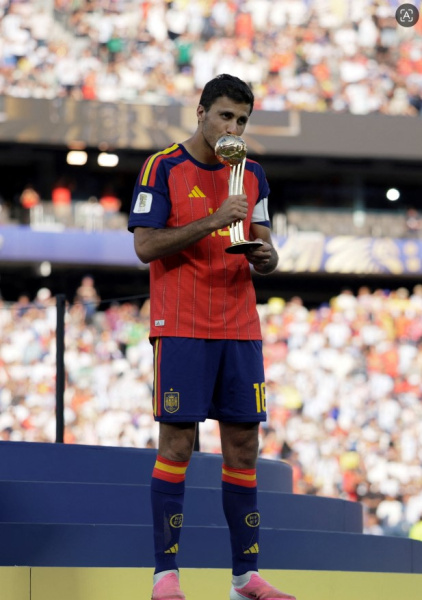
Expectedly, many believed Messi was the natural choice for the award. Given his extraordinary numbers and match-winning performances, few would have argued had FIFA handed him the trophy instead.
Instead, the Golden Ball went to Rodri, ahead of Messi, Golden Boot winner Kylian Mbappe, and Jude Bellingham, each of whom also enjoyed outstanding tournaments.
The decision has inevitably puzzled many, reminiscent of the discussions surrounding Rodri's Ballon d'Or triumph in 2024. How could a midfielder with no goals or assists be considered the tournament's best player?
The answer lies in what the Golden Ball is actually designed to reward.
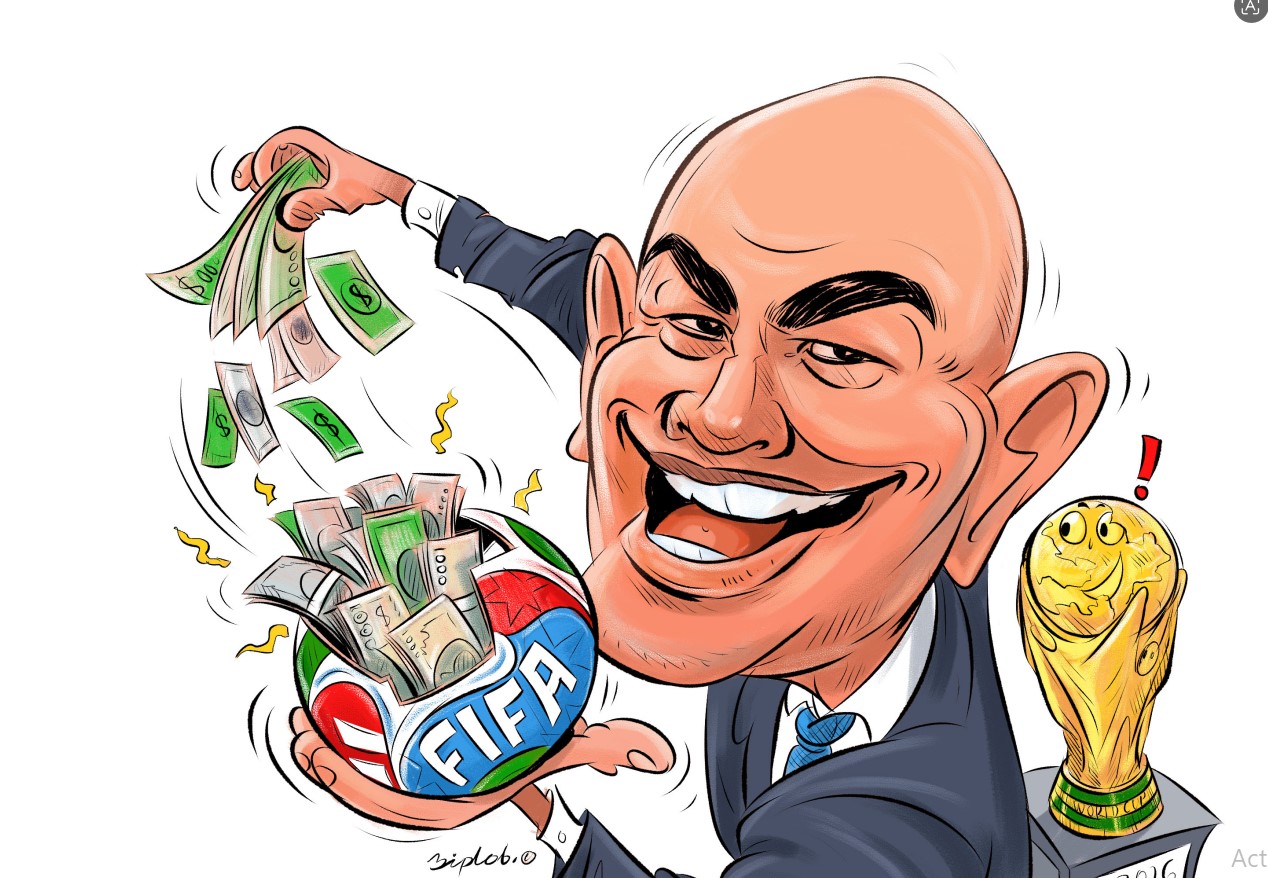
Unlike the Golden Boot, which is determined solely by goals scored, the Golden Ball is awarded through a voting process involving FIFA's Technical Study Group (TSG) and accredited international media representatives. First introduced at the 1982 World Cup, when Italy striker Paolo Rossi claimed the inaugural honour, the award has always relied on subjective assessment rather than pure statistics.
Rather than focusing only on goals and assists, the panel evaluates a player's tactical influence, overall consistency throughout the tournament, technical and physical performance, leadership qualities and even disciplinary record. Advanced metrics such as passing accuracy, defensive actions, ball recoveries, dribbling success and overall work rate, among many other position-specific performance indicators, are also considered by FIFA's technical analysts.
Viewed through that lens, Rodri's tournament becomes easier to understand.
The Manchester City midfielder finished the World Cup with the most touches of any player (910), completed more passes than anyone else (756) and maintained a passing accuracy of 93.2 percent.
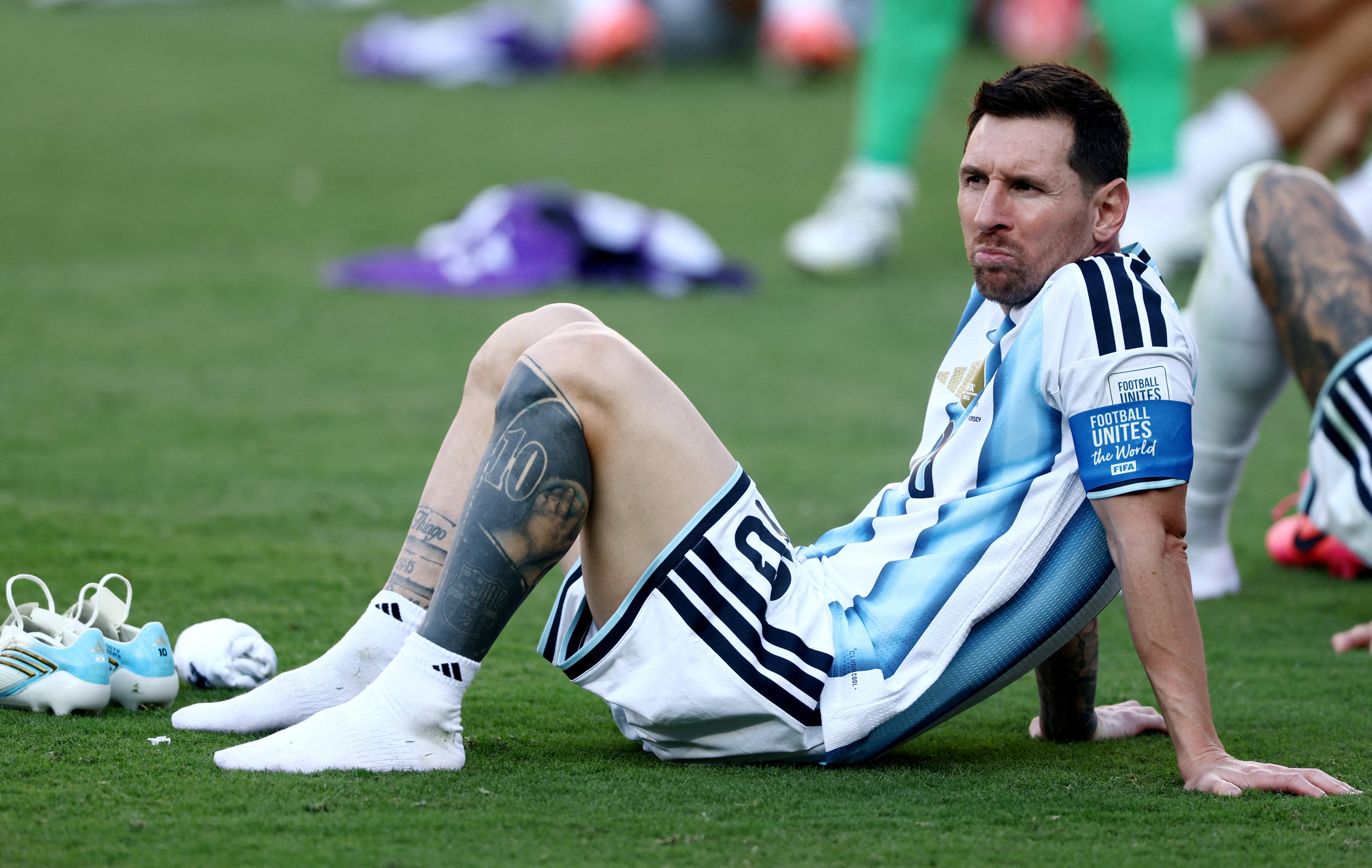
More importantly, he completed a tournament-high 204 passes into the final third, illustrating how virtually every Spanish attack flowed through him. He ranked 15th for chances created despite operating from deep, highlighting his ability to dictate play while still contributing in advanced areas.
Out of possession, Rodri was equally influential. He made a tournament-high 26 tackles and ranked among the top four players for possessions won in both the middle and attacking thirds.
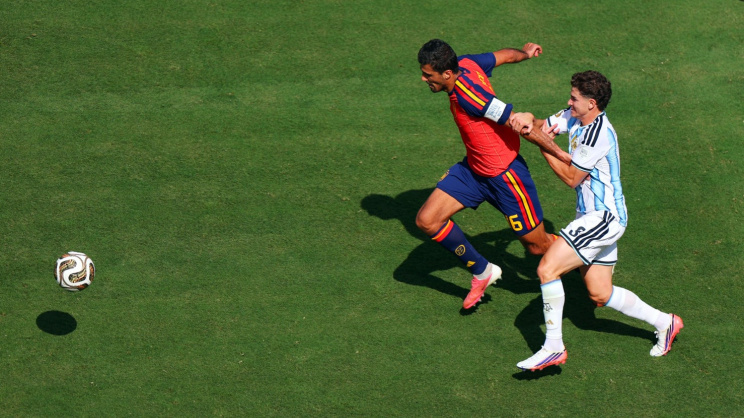
Those numbers only tell part of the story. Rodri was the heartbeat of Spain's midfield. He controlled the tempo, dictated the rhythm of matches and provided the platform that allowed attacking midfielders Fabian Ruiz and Dani Olmo to operate with greater freedom higher up the pitch. His positional discipline also gave Spain the balance that supported arguably the most complete team performance of the tournament.
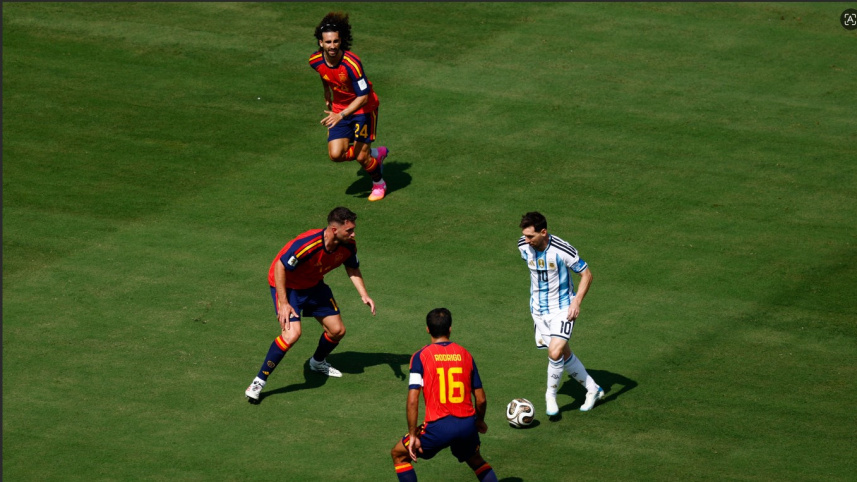
Spain dominated possession throughout the competition, conceded just once in eight matches and swept aside Argentina in a final where the defending champions failed to register a shot on target. Rodri was central to almost everything La Roja did, even if it rarely translated into goals or assists.
That, ultimately, is why FIFA's technical panel and journalists viewed him as the tournament's outstanding performer.
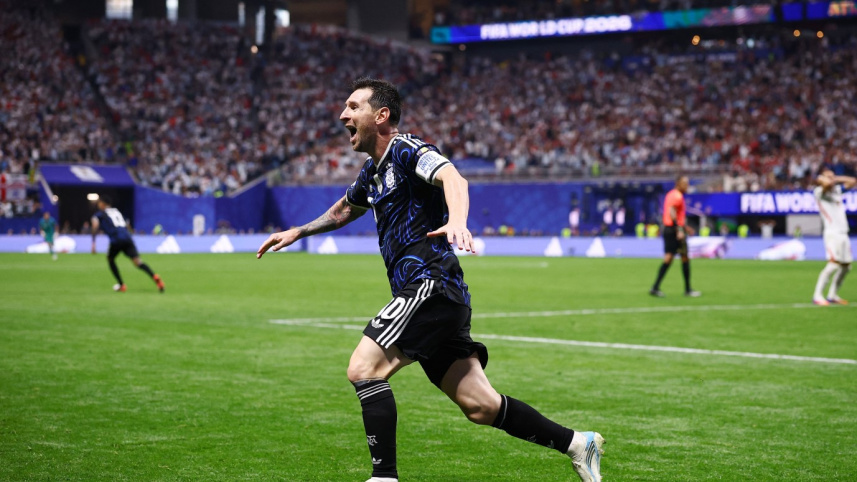
Yet the debate remains understandable. Messi's influence on Argentina was impossible to ignore. His eight goals and four assists accounted for a remarkable proportion of Argentina's attacking output, while he repeatedly decided matches almost single-handedly.
Mbappe, with 10 goals and four assists, too, produced another elite World Cup campaign, while Bellingham continued to establish himself among the world's finest midfielders.
 For all latest news, follow The Daily Star's Google News channel.
 The data suggests Rodri was unquestionably one of the tournament's elite performers, but it also illustrates why many supporters believe Messi's overall impact was greater. Rodri's leadership in midfield and tactical influence were extraordinary, quite central to Spain's knockout victories over Austria, Portugal, Belgium, France and, ultimately, Argentina in the final. Yet Messi combined leadership with direct, match-winning contributions that repeatedly proved decisive.
That is precisely why the Golden Ball continues to divide opinion. Unlike the Golden Boot, there is no definitive formula for determining the tournament's best player. Some will always value the footballer who scores the goals and decides matches in spectacular fashion. Others will argue that controlling games, dictating play and making an entire team function is an equally valuable contribution.
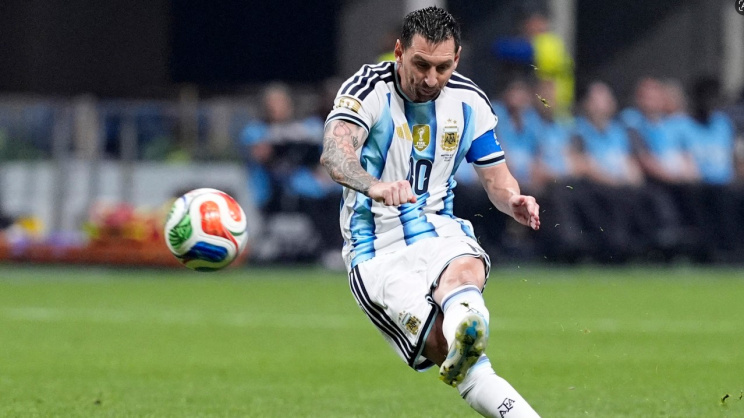
This time, FIFA's voters opted for the latter.
Whether Rodri was the tournament's best player or simply the outstanding player from the tournament's best team is a debate that will continue long after Spain's celebrations have ended. Football has always wrestled with one impossible question; do you reward the player who makes the headlines or the one who makes the team work? Messi gave this World Cup its unforgettable moments. Rodri gave Spain its rhythm and functionality. In the end, the Golden Ball simply asked voters which contribution they valued more.
Comments