


‘Indicator of progress is beating high-calibre teams’
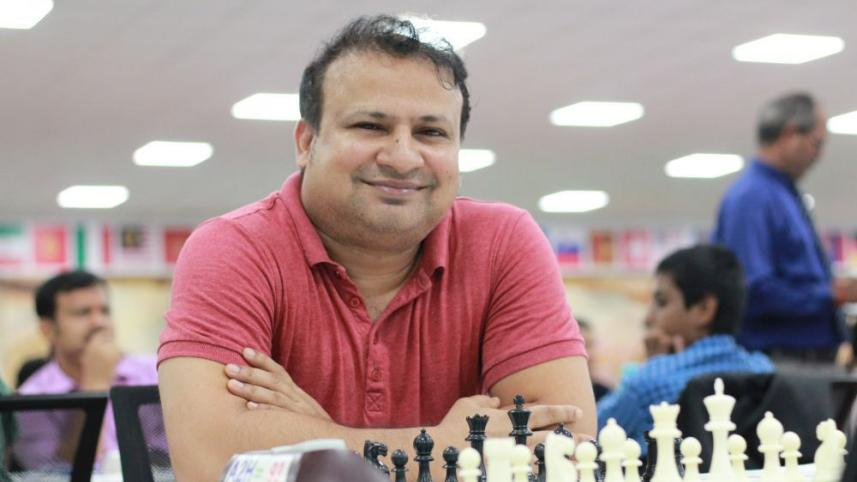
GM Niaz Murshed, South Asia's first grandmaster and general secretary of the Bangladesh Chess Federation, returned to Bangladesh's open team for the 46th Chess Olympiad in Samarkand. The 60-year-old was the lone GM in the men's squad, which finished 67th, while the women's team placed 84th. Following the Olympiad, he spoke to The Daily Star's Anisur Rahman from Uzbekistan about the teams' performances, the next generation and the challenges facing Bangladesh chess. Excerpts follow:
The Daily Star (DS): How do you assess Bangladesh's performance in Samarkand?

Niaz Murshed (NM): Overall, not very good. Our first two main players -- IM Fahad Rahman and IM Manon Reja Neer -- played too much chess before coming to Uzbekistan, competing in two tournaments, which left them fatigued and below their previous level. As a result, we lost a match we could have won against Belarus in the final round and couldn't advance in the standings. Overall, the performance was worse than last time.
DS: Is your assessment based on more than the final standings?
NM: You can't judge performance by the standings. The final position was largely shaped by the Swiss-system pairing and tournament length. Had it been 10 rounds, we would have finished around 51st or 52nd after beating weaker opposition, but a much stronger final-round opponent dropped us to 67th.
The true indicator of progress is developing the capacity to defeat high-calibre teams. Over the last three Olympiads, our best results against strong chess nations like Sweden, Brazil and Denmark were draws. The last time we defeated a top-tier team was Romania in 2018. Real advancement will come when we start converting those encounters into wins rather than draws.
DS: How can the women's team improve?
NM: Apart from Noshin Anjum, the other players appeared quite unseasoned. The women's team requires significant work, and their level of play lacks maturity. Countries like Sri Lanka systematically built up their programme over time, but they had once been behind Bangladesh.
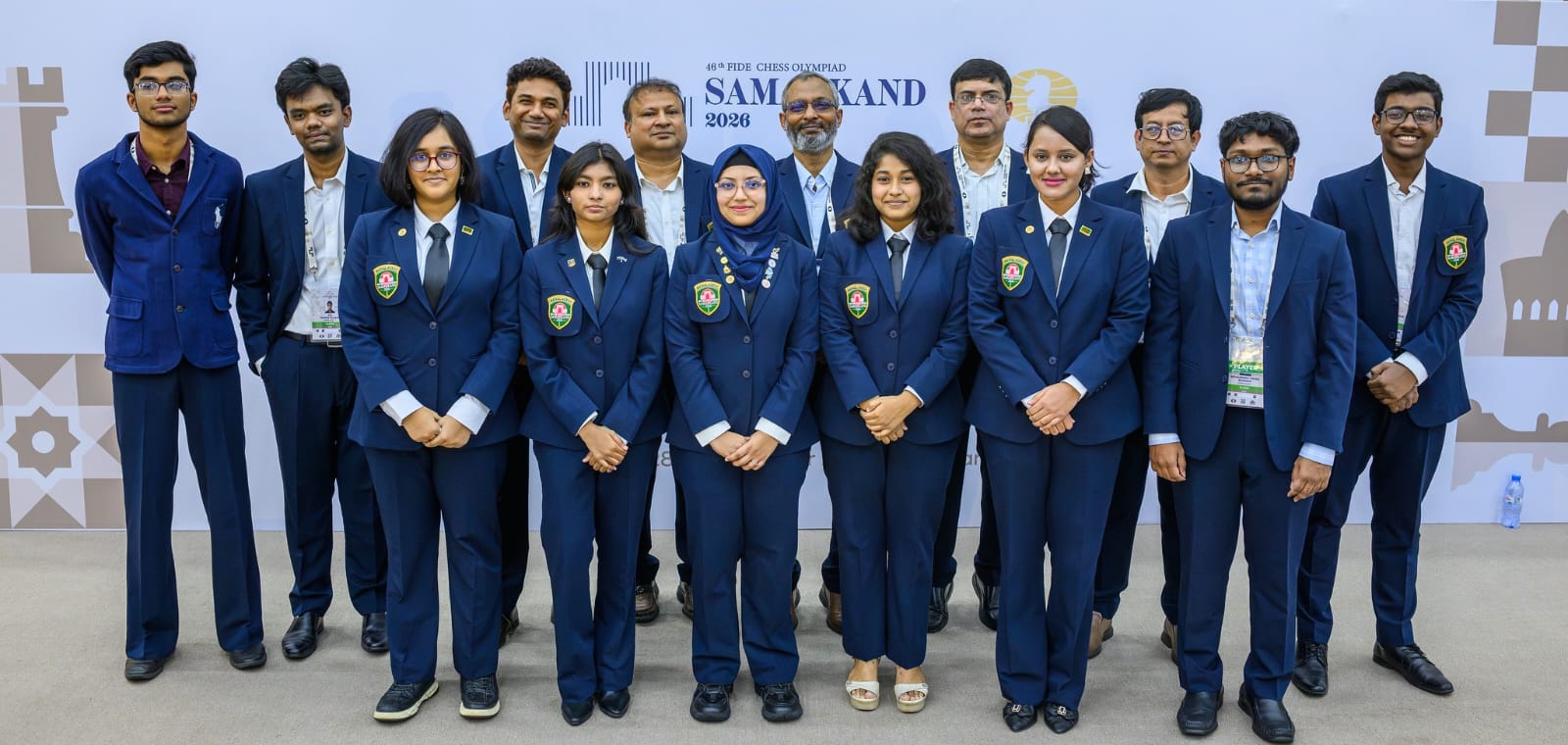
DS: With the loss of Ziaur Rahman and several grandmasters inactive, is Bangladesh chess regressing?
NM: All current grandmasters are ageing, so we have to produce new players rather than keep relying on the existing ones. The developmental work required to build new grandmasters wasn't done in the past, which is why we haven't produced new ones.
Efforts are now being made -- players like Fahad and Neer are getting close, though it is very difficult to earn the GM title.
DS: So, what's your roadmap as BCF general secretary?
NM: Even prior to becoming general secretary, I personally sponsored IM Fahad Rahman for his second GM norm. I will continue and expand this support. We are resolving his recent financial commitments and will formulate a fresh plan after the national and Asian events to help him secure his final GM norm and earn the title within the coming year.
DS: What technical initiatives are planned for GM-norm hopefuls?
NM: We are focusing on two technical strategies: hosting small, closed GM-norm tournaments in Bangladesh, and sending Fahad and other players back to Hungary for closed GM-norm tournaments. The playing conditions there suited his style very well and produced strong results.
DS: Did serving as federation general secretary add any pressure at the Olympiad?
NM: No, there wasn't any added pressure. My mindset was the same as before. We have to be practical -- the federation was dormant for many years, so we couldn't accomplish much during that period.
 For all latest news, follow The Daily Star's Google News channel.
Comments