


Five extraordinary weeks, one final whistle

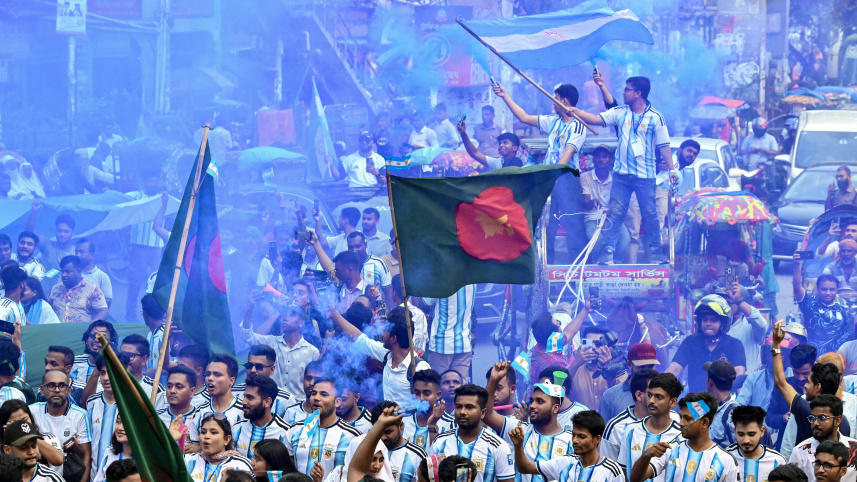
For five extraordinary weeks, Bangladesh kept different hours.
Midnight became prime time. Alarm clocks were set not for work or school, but for kick-offs. Sleep became negotiable, while the morning's first conversations revolved around offside decisions, tactical tweaks and moments of brilliance rather than traffic or politics. Offices buzzed with debates from the previous night's match, and entire neighbourhoods gathered around giant screens.

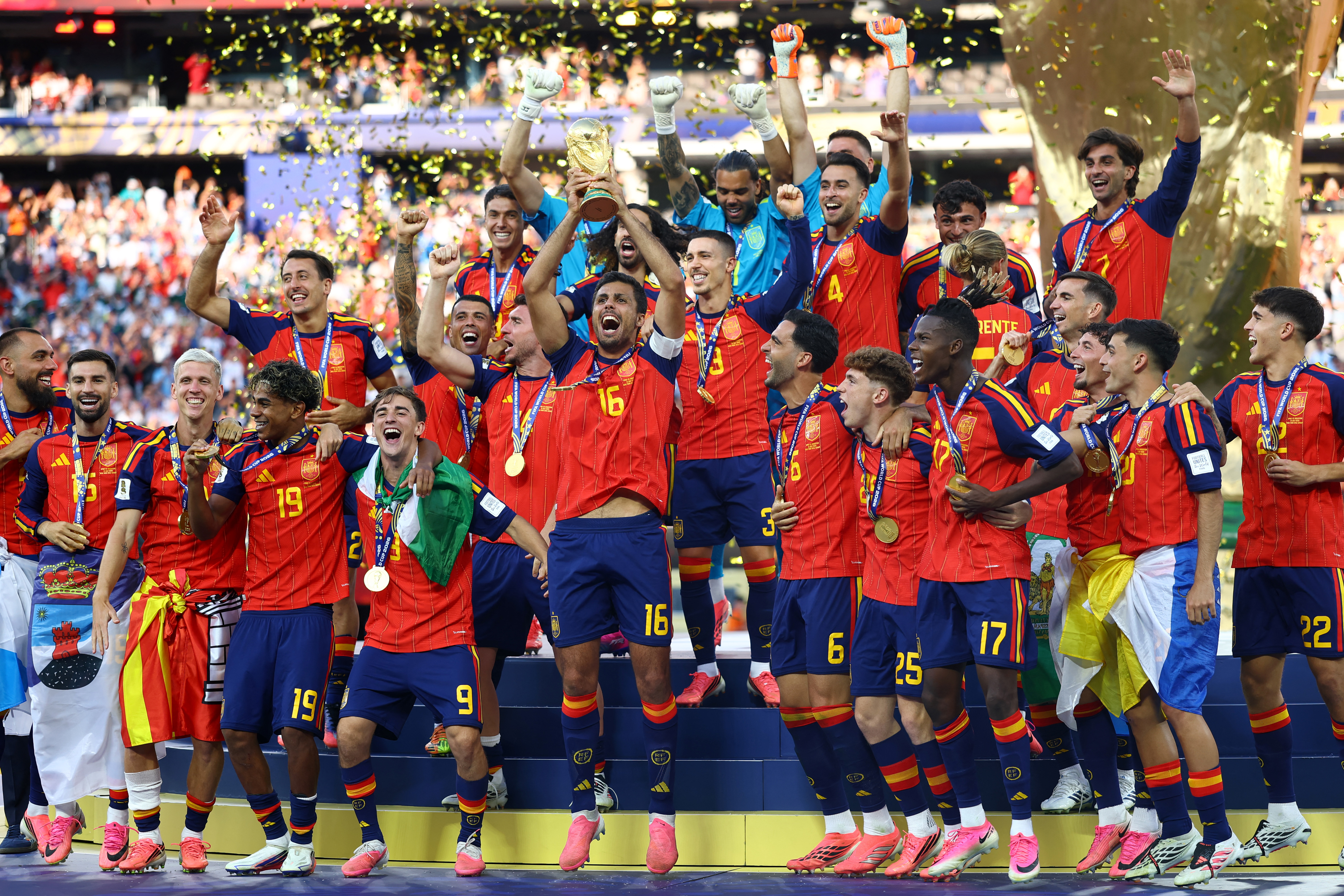
Then, on Sunday night, the final whistle blew. The tournament ended where it began, thousands of miles away in North America. Yet, in many ways, another World Cup quietly came to an end here too.
Very few countries celebrate the World Cup quite like Bangladesh. A nation that has never qualified for football's biggest stage somehow makes the tournament its own. Every four years, we borrow colours that are not ours, celebrate goals scored for countries we may never visit and carry the heartbreak of defeats that are, technically, not ours to feel.
For one remarkable month and more, those dreams became ours anyway. Bangladesh became a nation divided by colours, yet united by football.
Across the country, rooftops turned into canvases of footballing allegiance. Argentine blue-and-white fluttered alongside Brazil's famous yellow, while Spain, England and Portugal also found devoted followings. Murals of Lionel Messi, Kylian Mbappe, Cristiano Ronaldo and Lamine Yamal transformed neighbourhood walls into tributes to players many Bangladeshis may never see in person, yet somehow feel they have grown up with.
The World Cup became the country's common language. For a few precious hours each night, the endless stream of headlines gave way to debates over formations, refereeing decisions and whether Lionel Messi had one final masterpiece left.
Conversations that might otherwise have centred on the monsoon, rising prices or the pressures of everyday life drifted instead towards football. The tournament did not erase those realities, but it briefly nudged them into the background.
On match nights, Dhaka itself seemed different. Cheers echoed between apartment blocks whenever a goal was scored. Complete strangers celebrated together in cafes and public screenings, arguing over VAR decisions before parting as though they had known each other for years.
Perhaps the tournament was best captured in one small conversation.
On the metro on Sunday, two school students, burdened by a difficult examination the following morning, debated whether staying awake was worth it. One worried about losing precious hours of sleep. The other replied with quiet certainty.
"It's Messi's last match. You won't see him ever again. You have to be a part of it."
That simple exchange explained what television ratings and social media trends never could.
From Monday, the flags will gradually come down. Midnight alarms will be switched off. Tea stalls will close a little earlier, and conversations will return to work, exams and the routines that had briefly been put on hold. The borrowed dreams will be folded away until another World Cup arrives.
 For all latest news, follow The Daily Star's Google News channel.
Comments