


Are Portugal better off without Ronaldo? Check out what the numbers have to say

Portugal fans had a fresh taste of life without superstar Cristiano Ronaldo during their 4-2 away victory over Denmark in the UEFA Nations League on Friday. Predictably, the burning question has once again resurfaced, which is, are Portugal actually better off without the 41-year-old?
While this debate is far from new, it has intensified dramatically following Ronaldo's abrupt departure from the Portugal training camp ahead of the Denmark fixture on October 2, accompanied by a cryptic social media message signaling a potential end to his historic international career.

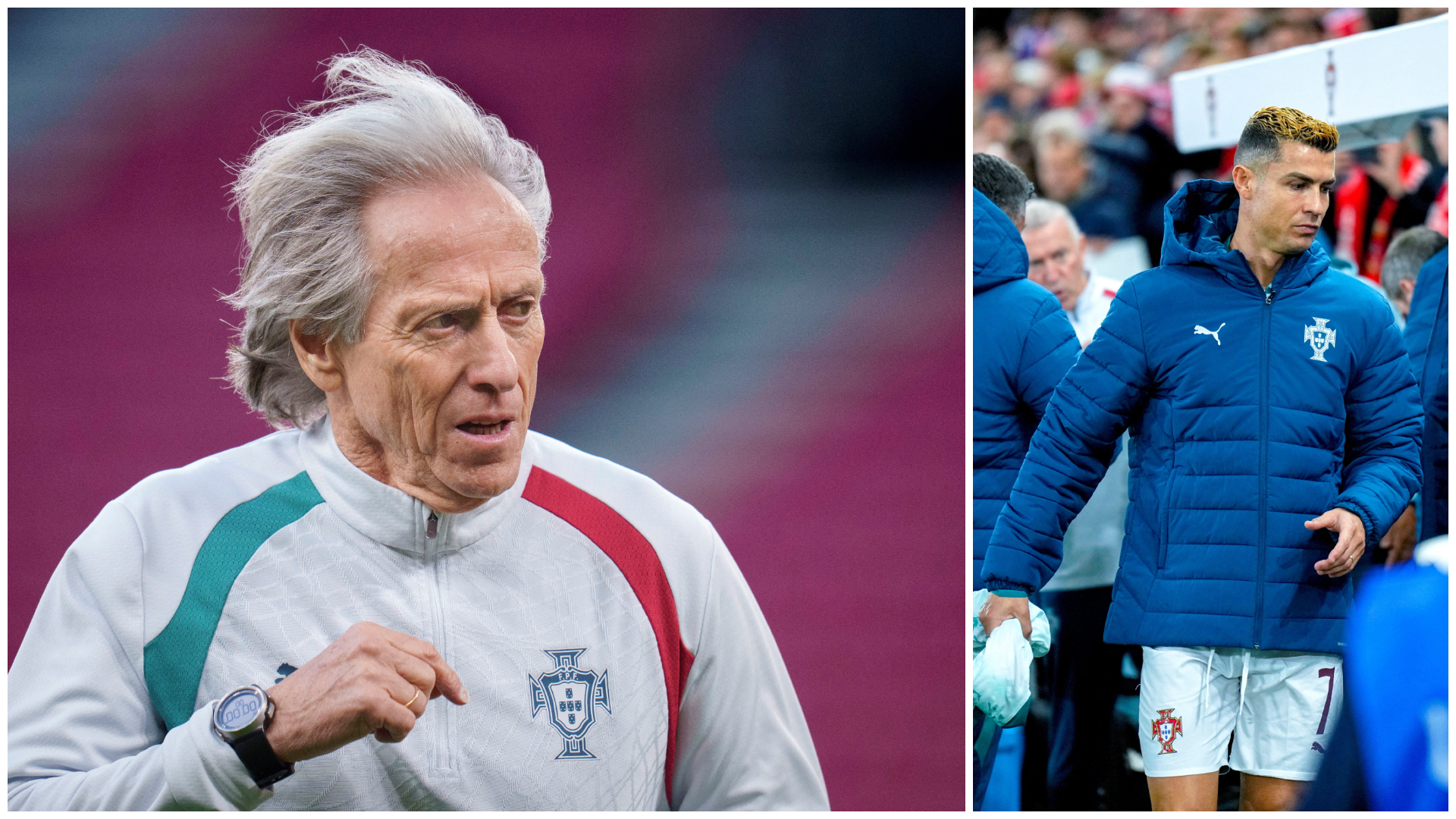
The friction had been brewing for days. The five-time Ballon d’Or winner started in a 1-0 win over Wales, but was left on the bench for the 2-1 victory against Norway, marking the first time since 2008 that he had been an unused substitute for his country. Though he insisted he remained "fully available to fulfil whatever role is assigned to me," the veteran forward clearly did not appreciate the snub.
While new boss Jorge Jesus later admitted he "made a mistake" by having Ronaldo warm up for 30 minutes without using him, Ronaldo marched straight down the tunnel at full-time instead of joining his teammates to acknowledge the traveling supporters.
Ronaldo has been effectively undroppable for years, captaining Portugal to Euro 2016 and two UEFA Nations League titles – the only international titles Portugal ever won. With 146 goals and 234 caps, he stands as men’s international football's record goalscorer and most-capped player, pushing the absolute boundaries of longevity with 979 career goals, and well-placed for the pursuit of an unprecedented 1000 strikes. There is no questioning his physical commitment; in the five years prior, he missed just two qualifiers for World Cup or Euros -- both due to suspension -- in which Portugal secured their two biggest wins ever: 9-0 over Luxembourg and 9-1 against Armenia.
Yet, in his late career, a persistent feeling has lingered that his presence forces a tactical compromise.
So, what do the hard numbers say? Since 2017, Portugal's win percentage without Ronaldo is actually slightly better at 64%, compared to 63% with him. Furthermore, they average 2.7 goals per game without him, versus 2.1 when he plays.
The tactical dilemma came to a head at the 2022 World Cup in Qatar, where then-coach Fernando Santos famously dropped Ronaldo to the bench for the knockout stages. His replacement, Goncalo Ramos, bagged a hattrick in a 6-1 rout of Switzerland. But after a quarterfinal exit to Morocco, Santos departed. His successor, Roberto Martínez, immediately restored Ronaldo as one of the first names on the team sheet.
Ronaldo started nine of Portugal's 10 Euro 2024 qualifiers and all five matches at the finals, with Portugal exiting from the quarters against France. He also featured in five qualifiers for the 2026 World Cup and all five matches at the tournament in North America, where Portugal bowed out in the last 16. He scored three goals in five matches, including a brace against minnows Uzbekistan and added a penalty in the last 32 contest against Croatia.
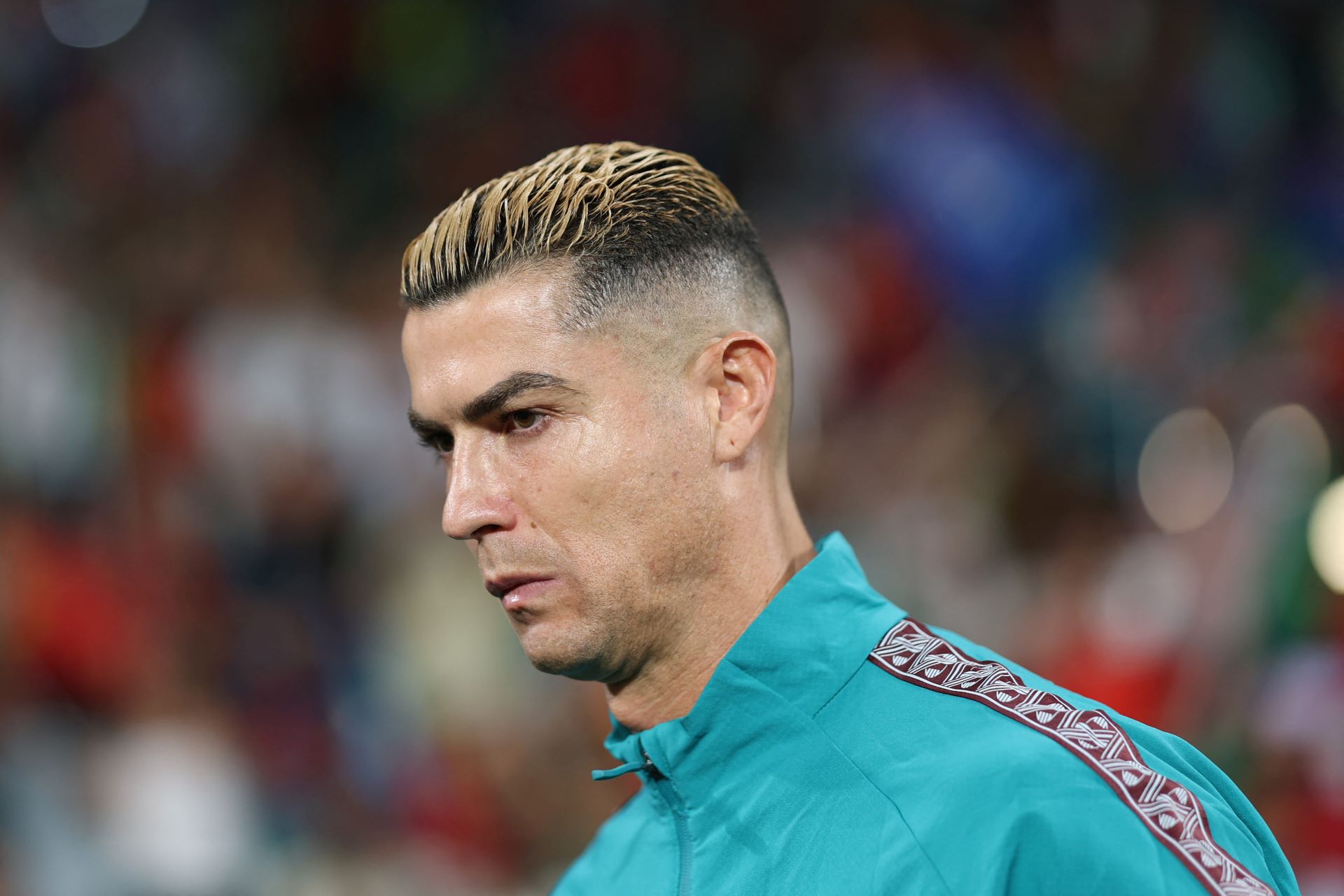
While Ronaldo continued to score regularly under Martinez, questions about his overall contribution had been around long before the Spaniard arrived. Pressing and work out of possession have become increasingly important, and having a forward who contributes little defensively or in the build-up phase can be a luxury that few teams can afford.
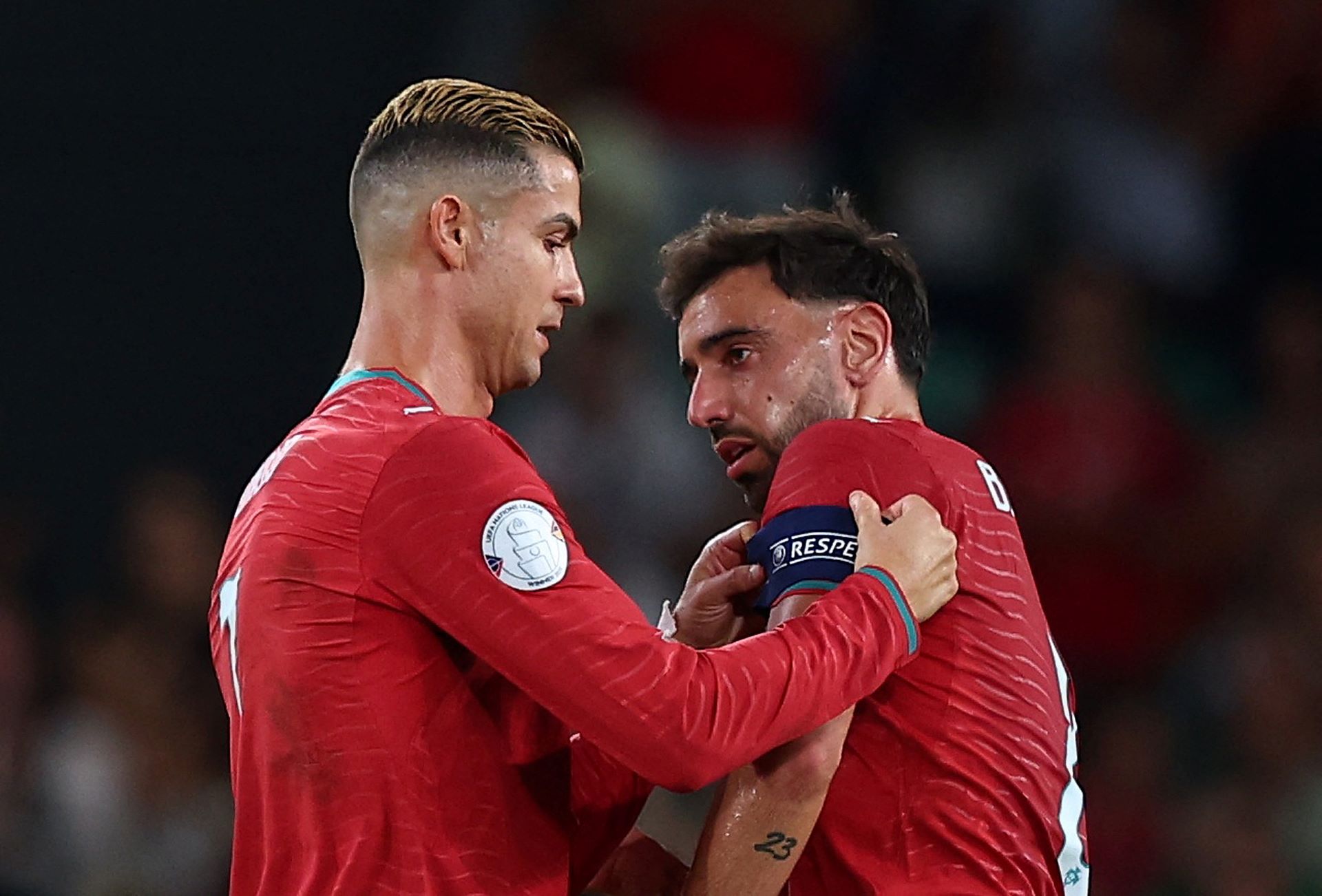
At the 2026 World Cup, those concerns intensified further. Against Spain, Ronaldo managed just 19 touches in 90 minutes, with none coming after the 80th minute in a scoreless stalemate – which Spain eventually won in extra-time. Critics pointed to his declining mobility as he frequently dropped deep into the build-up out of sync with his legs slowing down, struggled to link up with fellow forwards, and reduced his role to that of a penalty-box poacher. Even then, accommodating a 41-year-old required structural compromises from a squad brimming with world-class talent, including four members of Paris Saint-Germain's back-to-back Champions League-winning side and Premier League Player of the Year Bruno Fernandes.
Earlier in that same World Cup cycle, Martinez had withdrawn Ronaldo in the 81st minute against Croatia with the score locked at 1-1 – a decision that visibly displeased the veteran. With Ronaldo removed, Ramos stepped into the focal point of the attack and scored a dramatic late winner to send Portugal through.
 For all latest news, follow The Daily Star's Google News channel.
Ideally, given his immense experience, a graceful transition into a reduced role could have allowed Ronaldo to guide a brilliant new generation of Portuguese talent. One would have hoped for the self-awareness to accept a supporting phase. Judging by his feisty reaction, however, Ronaldo was never going to have any of it.
As things stand, one of the most remarkable international careers in football history has found a jarring and abrupt conclusion. It is not the Hollywood ending admirers expected, and it likely closes the book on the legendary forward ever featuring for his country again.
Comments