The mental toll on women tea workers
Tea in Bangladesh isn't just a beverage; it’s practically a national personality trait. Stressed? Have a cup. Tired? Drink tea. Want to debate politics, sports, or office gossip for three hours? Sit at the cha-er-tong.
For urbanites, a steaming cup after a brutal commute in the Bangladeshi heat is the ultimate reset button. It soothes our nerves, calms our minds, and temporarily cures our daily existential dread. The irony, of course, is that the women who actually pick those leaves don’t get to enjoy that tranquillity. For them, tea isn't a coping mechanism; it’s the source of their stress.
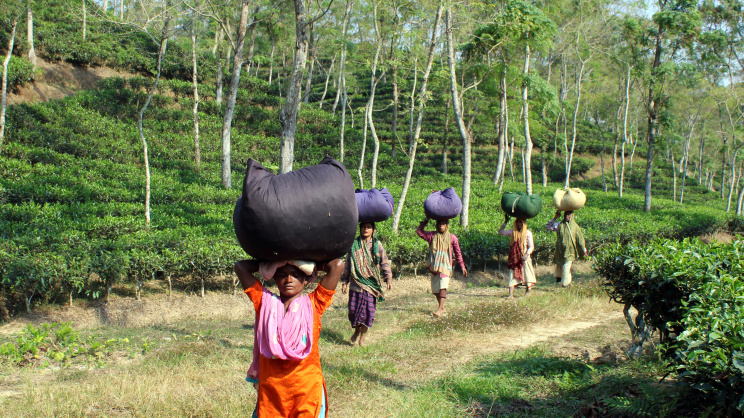
A recent study published in Cambridge Prisms: Global Mental Health exposes this convenient collective blind spot. Conducted by Psycure Organisation in collaboration with Educo Bangladesh, ChildFund Korea, and IDEA, the study surveyed 451 working mothers in the tea gardens of Moulvibazar to examine their psychological well-being and the effects of their distress on their children.
Roughly 33.9 percent of the mothers working in the tea gardens reported poor psychological well-being, with another 41 percent falling into the "vulnerable" category, meaning nearly three-quarters of the workforce are operating on emotional emergency fuel. More than 60 percent of participants reported symptoms of depression, anxiety, and chronic stress. Why? Because picking tea in Bangladesh isn't a picturesque pastoral job. It’s a relentless grind of financial exploitation, hazardous working conditions, and endless physical and mental labour.
The endless cycle of financial burden
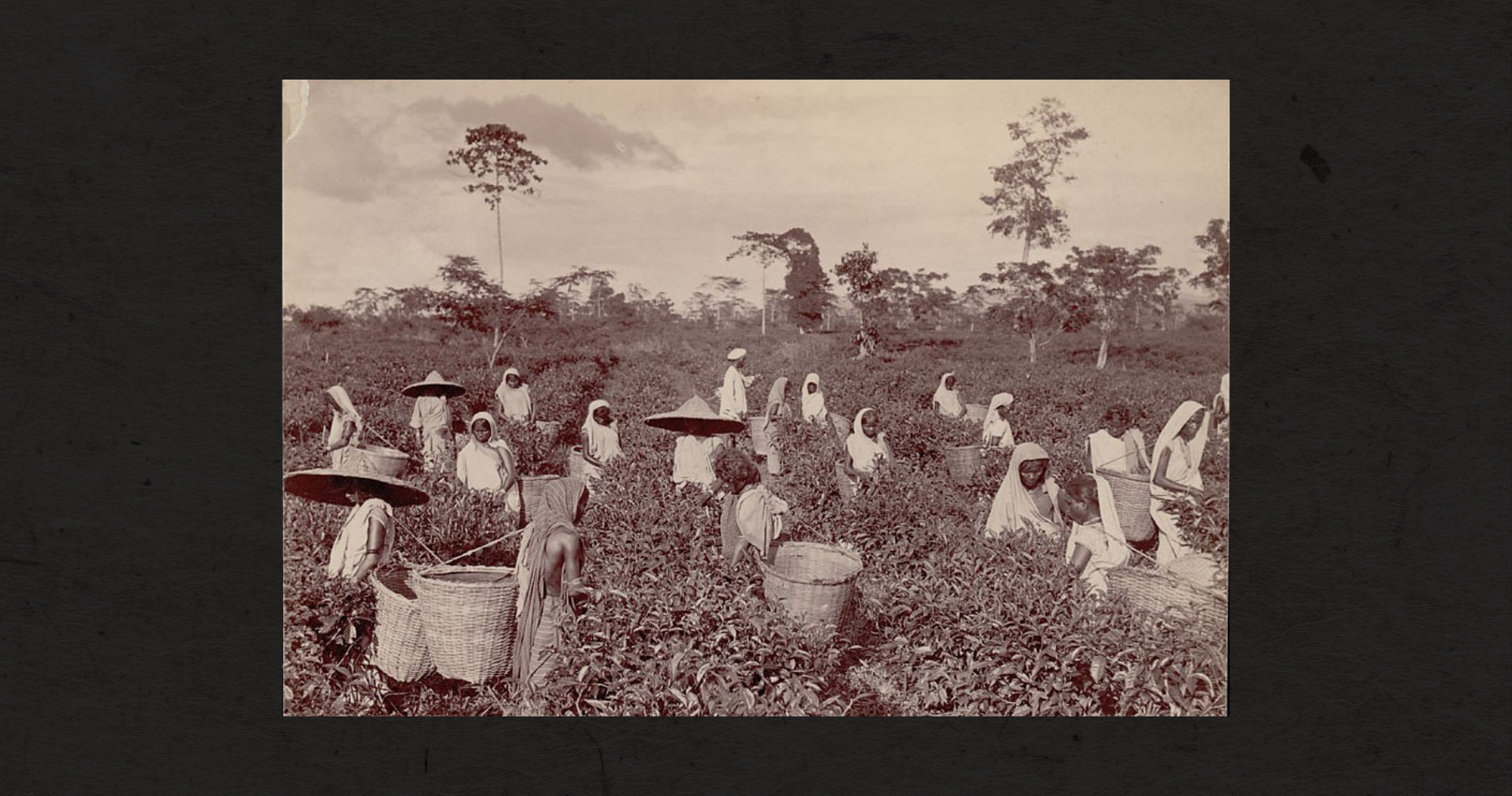
While urban consumers endlessly debate the nuances of milk tea versus plain tea, people in the Srimangal tea communities are reportedly eating tea-leaf paste to stave off hunger. While a kilogramme of high-end tea in Bangladesh costs around BDT 350 to 400, a tea worker often makes a total of BDT 178 for picking 24 kilogrammes of raw tea leaves. The study found that these women fall into the low-income category while working an average of eight hours a day, more than six days a week.
To make matters worse, estate management seems to operate on a double standard: iron-clad strictness for the workers and endless leniency for themselves. Show up a few minutes late? Lose an entire day's wage. Time to collect your monthly earnings? Suddenly, management has a library of excuses for why the cash isn't there. Some mothers reported working for an entire month without receiving their wages because management simply kept putting off payment.
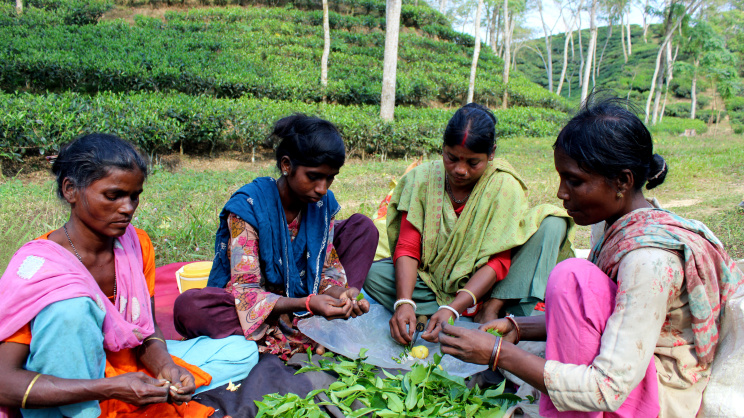
Yet quitting isn't an option. With no alternative jobs available in the tea communities, mothers stay out of sheer desperation, internalising the mental toll of missed rations and mounting financial insecurity. To survive, they turn to local NGOs for high-interest microloans, effectively swapping one financial trap for another.
When the workday never ends
Even if you ignore the meagre pay, the working conditions read like a survival reality show, minus the camera crew and prize money. Mothers report picking tea leaves in scorching heat and pouring rain while dodging snakes, lightning strikes, and falling branches. Many tea gardens also lack basic facilities such as shelters, tubewells, and toilets.
And when the shift ends, their "free time" begins: a second, unpaid shift at home. In these communities, domestic labour falls squarely on the mother. Returning from the gardens, they immediately transition to cooking, cleaning, and taking care of their children late into the night. Rest isn't a priority; it’s a luxury they simply don't have the time to afford.
Under these conditions, telling a tea worker to "take care of her mental health" sounds less like medical advice and more like a cruel joke. Self-care requires time, agency, and resources—three things these women are systematically denied.
Worse still, suffering has been so thoroughly normalised across generations that many women don't even recognise their distress as a problem. They watched their mothers and mothers-in-law endure the exact same quiet misery, accepting it as an inevitable tax on being born into the tea gardens.
An inherited crisis
Perhaps the most alarming takeaway from the study is that this mental health burden doesn't stay confined to the mothers. When researchers assessed children aged 2 to 7 in these communities, a staggering 87.8 percent exhibited elevated behavioural, emotional, or social challenges—a massive red flag for future psychological issues. The study clearly linked these childhood struggles to the psychological distress experienced by their mothers.
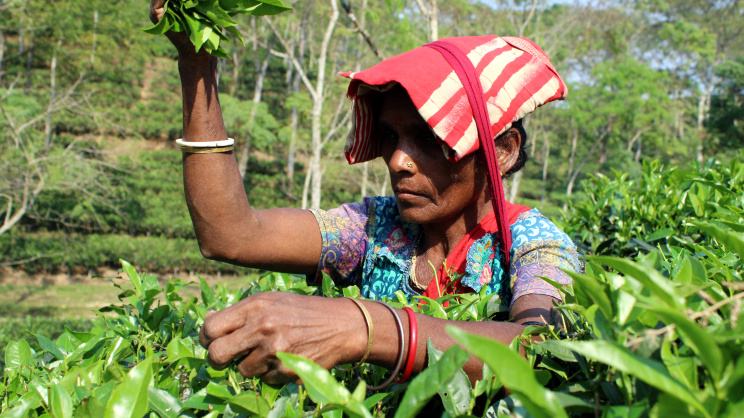
This isn't about blaming mothers who are already running on empty; it’s a wake-up call about systemic neglect. Children do not grow up in a vacuum. If a mother is trapped in a cycle of starvation wages, chronic exhaustion, and clinical depression, her children inherit that instability.
If we genuinely care about the future of the children in the tea-garden belt, we have to care about the mothers raising them. That means moving past performative awareness campaigns that tell poor people to "talk about their feelings" and actually addressing the structural exploitation, low pay, missing safety nets, and inhumane labour conditions that broke them down in the first place.
So, what should be done?
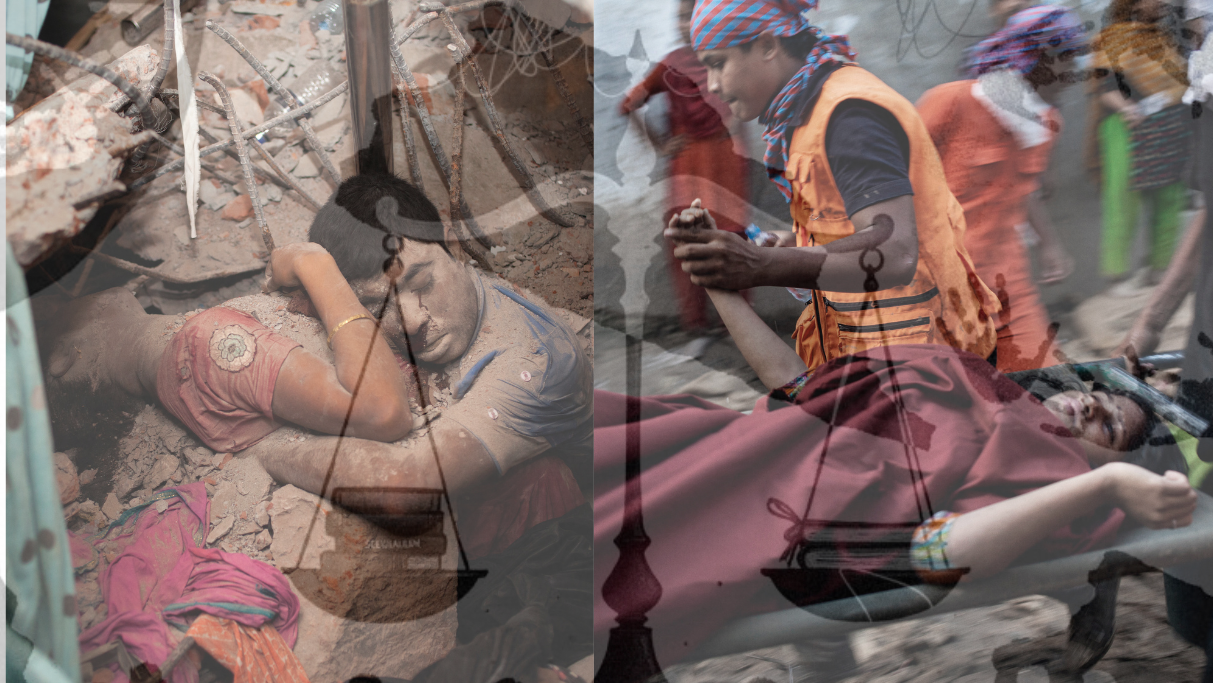
We love telling marginalised communities to build emotional resilience. It looks great on annual NGO performance reports, and best of all, it allows corporate management and regulatory bodies to completely ignore the fact that they are running what amounts to a legal sweatshop.
However, the published study shows exactly why this superficial approach is a dead end. The research lays out in painstaking detail what should be obvious to anyone with a pulse: you cannot talk someone out of clinical depression when their depression is directly caused by meagre wages, wage theft, and physical exhaustion.
So, if awareness campaigns alone are just performative band-aids, what does actual, meaningful reform look like?
First, let’s be realistic about access. A worker in the Moulvibazar gardens can’t just drop her shears and head to a city clinic. Between starvation wages and management that is eager to penalise staff for missing work, taking time off for mental health isn't just unaffordable; it's financially infeasible.
If mental health services are to have any impact whatsoever, they need to actually reach these isolated tea estates in ways that are accessible, free, and culturally grounded. That doesn't mean sending a delegation of urban academics to host a one-day workshop. It means building hyper-local capacity.
Training frontline community workers, local leaders, and trusted neighbourhood service providers to spot the early warning signs of severe depression, chronic anxiety, and trauma is a practical baseline. When local networks know how to identify who is reaching a breaking point, they can connect them to real, continuous support systems rather than leaving them to suffer in isolation.
Additionally, real mental health interventions must be paired with aggressive workplace and social policy changes:
- Basic economic security and fair wages: Persistent financial insecurity is a major source of anxiety for workers in these tea gardens. Ensuring a living wage and ending punitive practices, such as withholding an entire day’s pay for being just ten minutes late, could do far more to improve mothers’ mental well-being than awareness campaigns alone.
- Accessible on-site childcare: Working mothers are constantly forced to choose between leaving young children unsupervised or bringing them into hazardous fields. Affordable, structured community crèches would instantly lift an immense psychological load off working mothers.
- Workplace safety realities: Providing basic protective gear, clear pathways, and decent shelter from torrential rain isn't a luxury request; it's basic labour compliance.
- Redistributing the second shift: Within the home and community, there needs to be a cultural shift that challenges the expectation that domestic labour belongs exclusively to women. Husbands, extended families, and community networks must step up to share childcare and household chores, giving mothers something they haven't had in generations: time to rest.
The encouraging takeaway from the Cambridge Prisms study is that we don't need to invent an entirely new ecosystem from scratch. Protective factors already exist within these communities. Local village councils, community-based NGO networks, and supportive local leadership structures are already embedded in the tea gardens.
The machinery is there; it's simply underfunded, ignored, or actively sidelined by tea estate management. Strengthening these existing grassroots structures, giving them the authority to hold estate owners accountable for labour violations, and funding them to provide genuine social safety nets is how we turn academic findings into meaningful policy.
Until the global tea industry and local policymakers accept that human rights and fair labour practices are fundamental prerequisites for mental well-being, all the awareness campaigns in the world will remain little more than noise. You can't fix a broken system by asking its victims to cope better.
Murad Ansary is a clinical psychologist and founder and CEO of Psycure Organization. He can be reached at muradansary2121@gmail.com.
Afsana Sultana is a Research Assistant at Psycure Organisation in Dhaka, Bangladesh. She can be reached at afsana.t.sultana@gmail.com.
Kamal Uddin Ahmed Chowdhury is a Professor in the Department of Clinical Psychology at the University of Dhaka. He can be reached at kachowdhury@gmail.com.
Send your articles for Slow Reads to slowreads@thedailystar.net. Check out our submission guidelines for details.
From Shyamnagar to Kurigram: Women work, but where is the income?

Waiting for April: The other side of migration in the Sundarbans

Where have Bangladesh’s hilsa gone?

Lead poisoning in Bangladesh: A crisis ignored for too long

Who recycles Bangladesh’s garment waste?

Bangladesh running out of options on Rohingya crisis: Is there a way out?

Construction of the Sugandha-Kalatoli beach road / A grave threat to Cox’s Bazar’s sand dunes

Why have Nihar Koli and Samrat been sent back to their alleged abusers?
The reality of vocational training for Bangladeshi women