The naval hero who envisioned a nation

In the history of Bangladesh’s struggle for sovereignty, few figures embody the transition from professional soldier to revolutionary patriot as poignantly as Lt. Commander Moazzem Hossain. A man of technical brilliance and unwavering conviction, his life and martyrdom remain a cornerstone of our national identity.
Born in Pirojpur, Moazzem was commissioned into the Pakistan Navy in 1950. After earning a naval engineering degree in England, he rose to become the Chief Engineer at the Chittagong Naval Base by 1966. However, his professional success did not blind him to the systemic deprivation of the Bengali people. Moazzem became a leading proponent of Bengali rights, eventually becoming the focal point of the infamous ‘Agartala Conspiracy Case’.
Alleged to have organised an armed rebellion to liberate East Bengal, he was named Accused Number Two, second only to Sheikh Mujibur Rahman. Though the 1969 mass upsurge forced the withdrawal of the case, Moazzem’s reputation as a mastermind of resistance made him a prime target for the military junta.
His life came to a tragic end on the night of 25 March 1971. As "Operation Searchlight" began, the Pakistan Army descended upon his residence on Elephant Road. In a brutal act of targeted assassination, the commander was dragged from his home and shot dead.
His wife, Kohinoor Hossain, recounted that at about 6 am on March 26, soldiers, accompanied by a collaborator, surrounded their house near Elephant Road and wrecked it within minutes. They lined up the men outside and called out for Moazzem. He stepped forward and identified himself. Five soldiers aimed their rifles at him and said, “Bol Pakistan Zindabad” (Say ‘Pakistan Zindabad’). He proudly pointed his index finger towards them and replied, “Ek dofa zindabad,” for he had only one dofa (demand)—the liberation of Bangladesh. The five rifles fired at once. As he fell to the ground, he said again, “Ek dofa zindabad.”
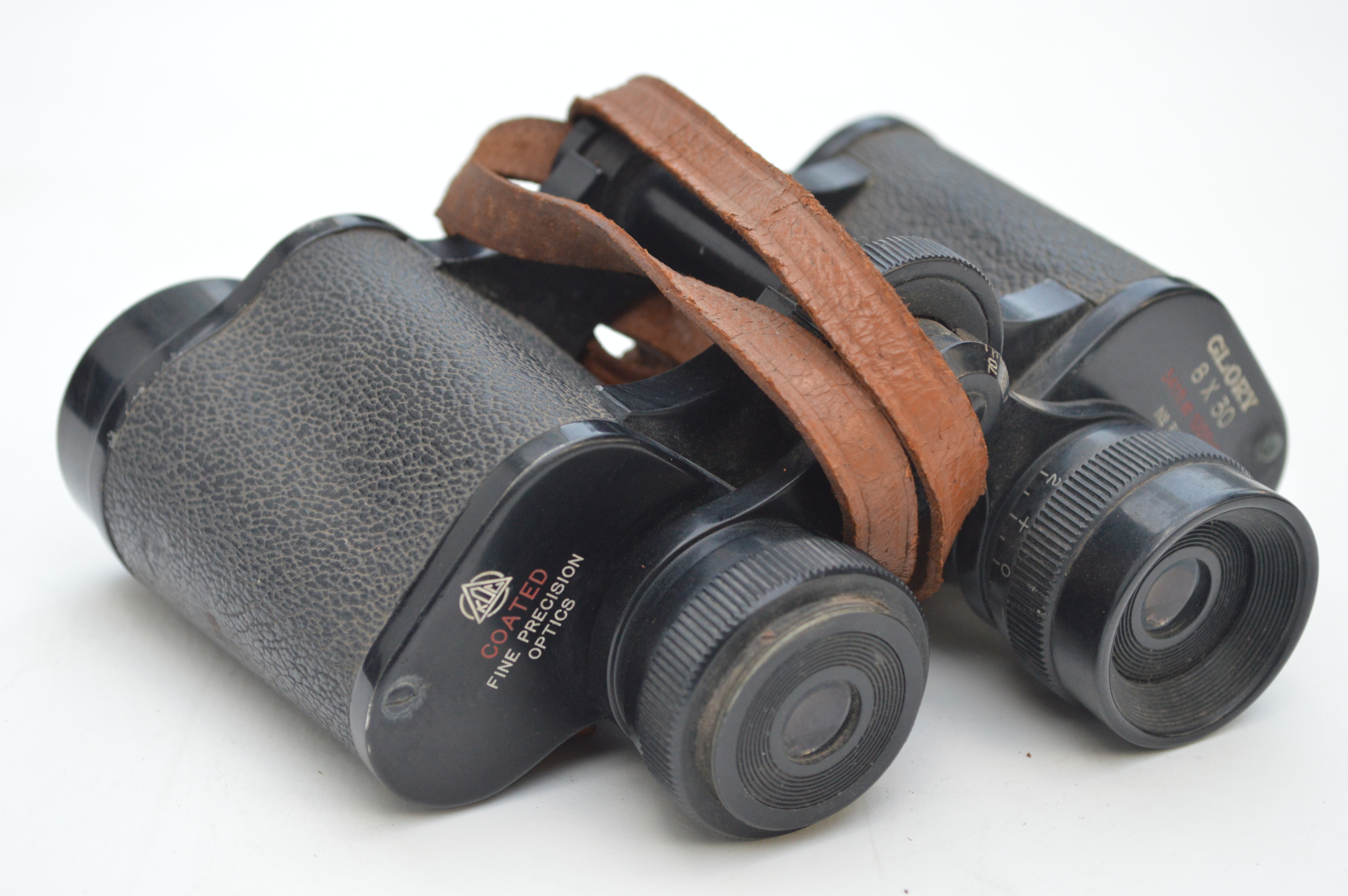
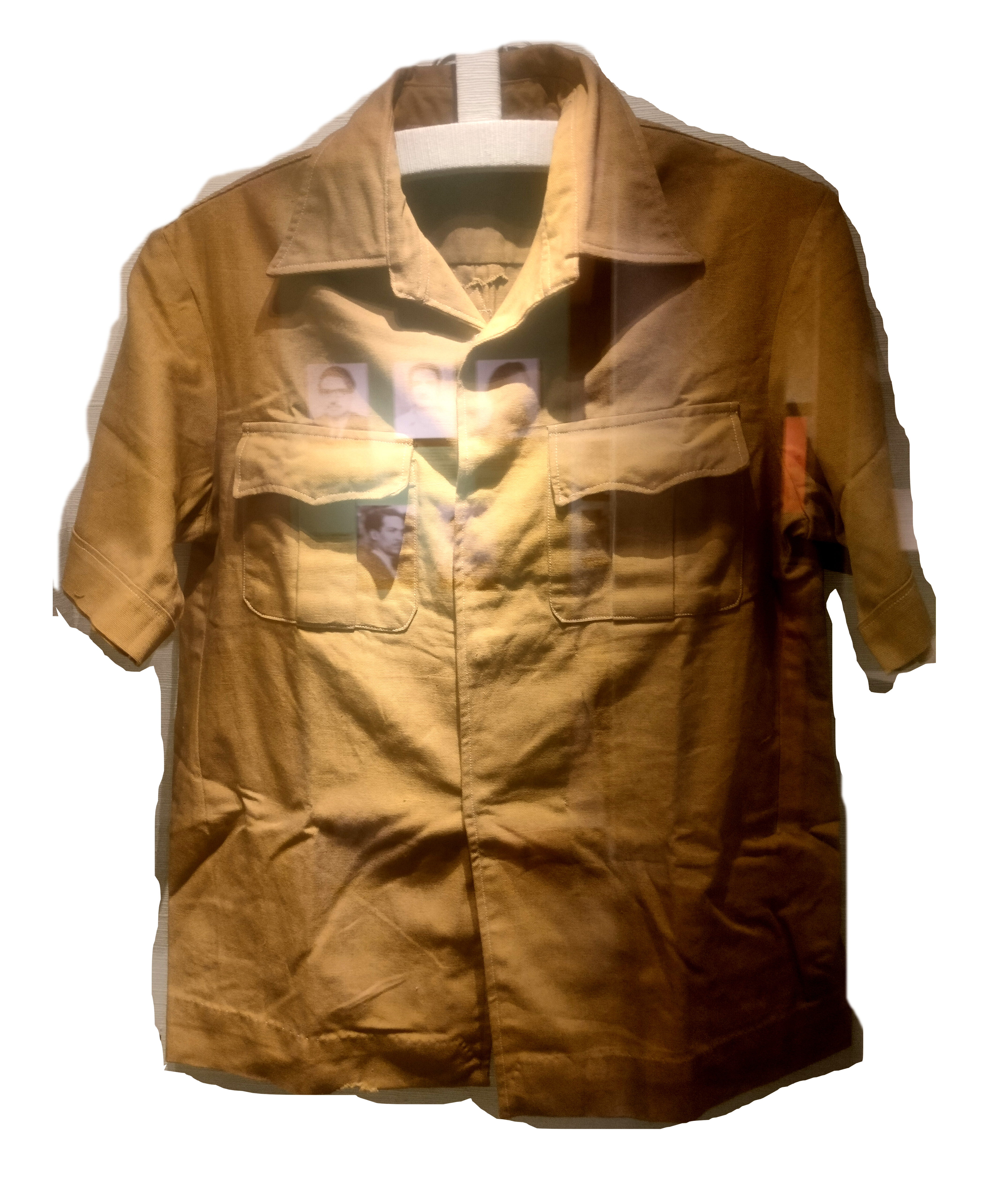
Today, his naval uniform and binoculars, preserved at the Liberation War Museum, serve as powerful relics of a life dedicated to the horizon of freedom. The binoculars, which once scanned the seas for threats, now stand as a testament to a man who saw the necessity of independence long before the first shot of the war was fired.
Ystiaque Ahmed is a journalist at The Daily Star.
Send your articles for Slow Reads to slowreads@thedailystar.net. Check out our submission guidelines for details.
Interactive / Operation Searchlight: The night hell opened over Dhaka
Echoes of Anne Frank in Swati’s war diary
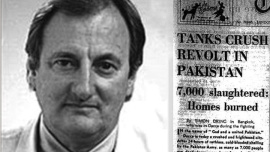
Genesis of a genocide report
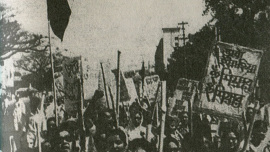
Prelude to an order for genocide
The Australian doctor who witnessed what Bangladesh wanted to forget

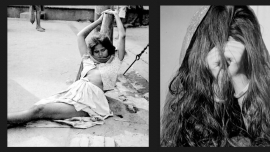
Birangona Women of Bangladesh
‘A huge gulf separates Mujib from Bhutto’

Instructions to genocide
Sorry for what?