Nepal’s difficult passage: Political change meets ecological crisis
On September 8 and 9, 2025, a youth-led uprising toppled the government of K.P. Sharma Oli. Driven by deep frustration with corruption and unaccountable governance, young people took to the streets in protest. The government responded with a crackdown, but the uprising ultimately ousted a political class that had governed the country for decades. Former chief justice Sushila Karki was appointed to lead an interim government tasked with holding elections. The polls brought Balendra Shah to power, with his Rastriya Swatantra Party (RSP) emerging as parliament’s largest force. Having decisively rejected the traditional political establishment, Nepal’s youth now face a harder question: is the country truly on a new path, or has political change merely brought new faces to an old system?
Today, Nepal finds itself confronting two upheavals at once: a political transformation still struggling to find its footing and a natural disaster of exceptional scale. Increasingly, the two are converging around the same question—whether a new political order can deliver where the old one failed.
Nepal’s youth are not only a political force; they are also, on paper, the country’s greatest economic asset. Nepalis aged 16 to 40 accounted for 42.56 percent of the population in the 2021 census. Yet this demographic dividend has been realised largely through labour migration rather than opportunities at home. Remittances totalled Rs 2,120.80 billion in the first eleven months of 2025/26, underscoring how deeply Nepal’s economy continues to depend on its citizens working abroad. Much of the productive potential of this generation is therefore being realised beyond Nepal’s borders rather than within them.
Questions about the state’s capacity to protect its own citizens had surfaced even before the latest disaster. A few months ago, the Kathmandu authorities drew criticism after bulldozing an informal squatter settlement with little preparation for those displaced. Residents, including new mothers, were forced into overcrowded holding centres, where they complained of inadequate nutrition, little privacy and insufficient care for their newborns. Their complaints circulated widely on social media for weeks.
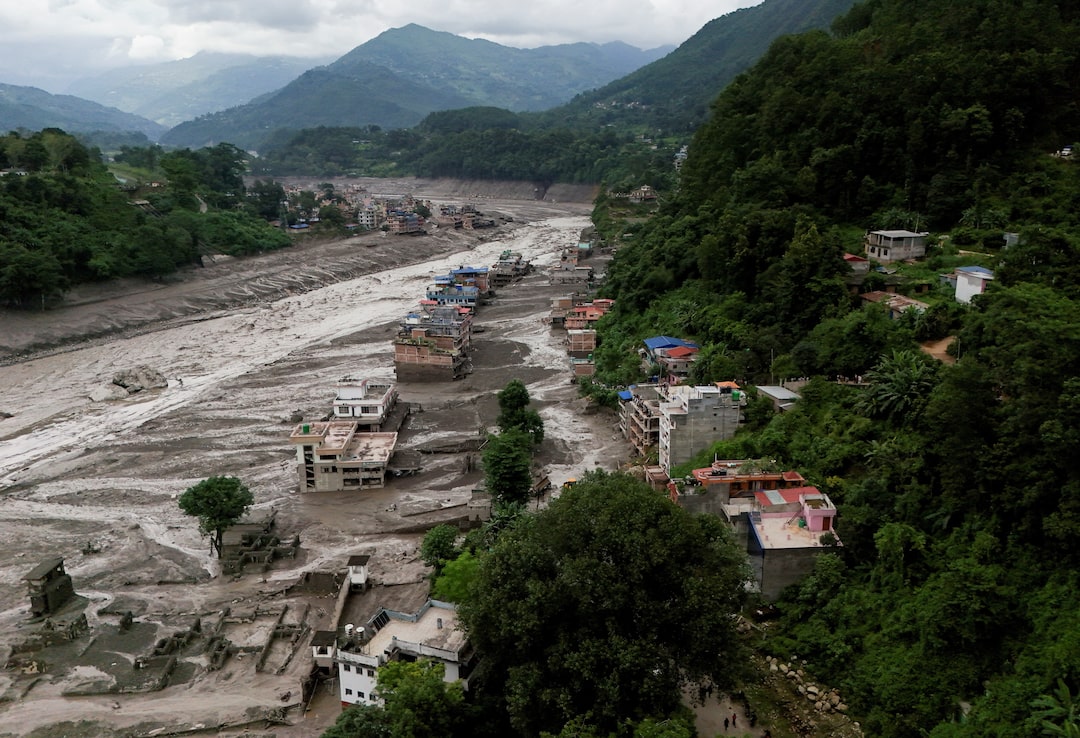
Four months later, similar concerns have surfaced in relief centres serving flood-affected communities. This time, the challenge comes not from government bulldozers but from devastating mudslides and floods along the Nepal–Tibet border. In both cases, however, the underlying question is one of institutional capacity: how effectively can the state respond when ordinary people suddenly lose their homes, security and livelihoods?
The message of the election, however, remains difficult to ignore. Voters demanded more than a change of political faces. For the new government, the real test is whether it can translate that demand into stronger institutions, greater accountability and tangible improvements in how the state functions.
A wider reckoning
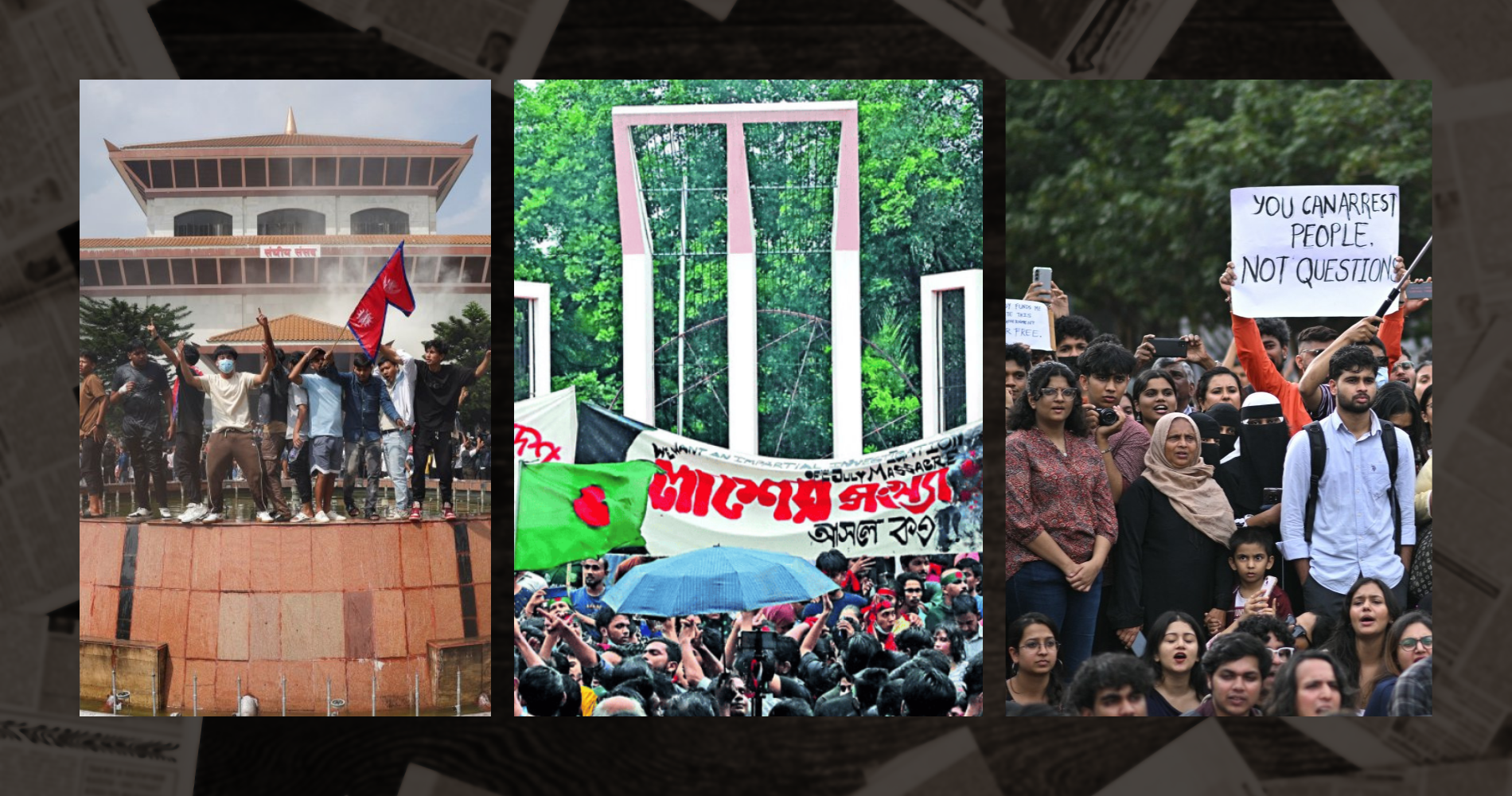
Nepal is not alone in facing such political discontent. Youth-led movements challenging entrenched elites have emerged elsewhere in South Asia in recent years, reflecting a broader regional frustration with corruption, political stagnation and limited economic opportunity.
In Nepal, decades of revolving-door political leadership did little to loosen established interests’ grip over state institutions, policymaking and the economy, allowing corruption and nepotism to persist across successive governments.
Balendra Shah’s rise to the premiership represented a rupture with that political order, but it also brought considerable scepticism. As mayor of Kathmandu, he built a reputation for openly challenging—and often mocking—the political establishment, while his outspoken social media posts regularly attracted enormous attention. Since taking office, similar instincts have shaped his governing style: aggressive, decree-driven and seemingly more comfortable exercising executive power and communicating through social media than working through established state procedures.
The verdict on accountability
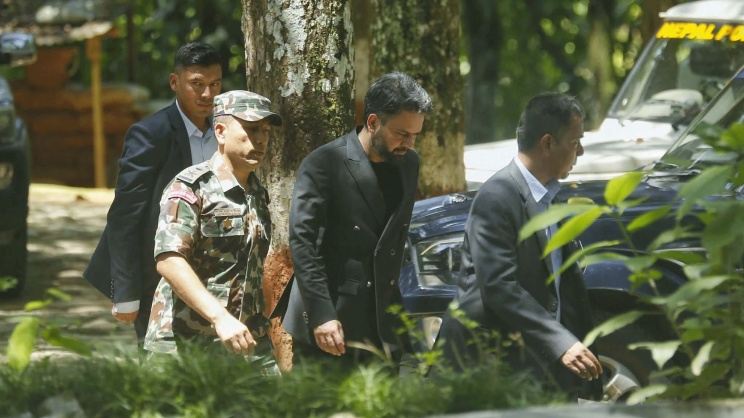
The promises of accountability and good governance that brought Shah and the RSP to power are already being tested by apparent inconsistencies. Former Prime Minister K.P. Sharma Oli, his former home minister and several security officials accused of responsibility for the September crackdown were arrested, only to be released following court orders.
Meanwhile, a pattern of politically selective arrests has raised further questions about the government’s commitment to the rule of law. The arrest of private-sector figures on what critics describe as weak legal grounds has also strained relations between the state and the business community, adding to a wider sense of institutional distrust.
The message of the election, however, remains difficult to ignore. Voters demanded more than a change of political faces. For the new government, the real test is whether it can translate that demand into stronger institutions, greater accountability and tangible improvements in how the state functions.
Since taking office, the government has moved at breakneck speed, issuing seven ordinances on issues ranging from restructuring the Constitutional Council and tackling fraudulent cooperatives to reforming university leadership, removing political appointees from senior government posts and tightening anti-money-laundering rules. But the pace and method of reform have drawn criticism. With the RSP holding a parliamentary majority, the opposition has questioned why the government is relying on executive ordinances rather than legislating through parliament.
Critics argue that this approach bypasses legislative scrutiny and could weaken the very institutions the government has promised to strengthen. The opposition has also demanded that the prime minister answer questions over key decisions and several controversial remarks. Whether the ordinances ultimately deliver meaningful reform or reproduce the governance failures of the old political establishment remains to be seen. What is clear is that speed cannot substitute for institutional legitimacy.
Early momentum, underlying anxiety
The new government arrived with a distinctly youthful character: a cabinet composed largely of young ministers, considerable energy and an unmistakable determination to change how the country is governed. But enthusiasm alone cannot rebuild a state, and decades of entrenched corruption and institutional dysfunction cannot be undone in a matter of months.
To its credit, the administration has already delivered some visible results. Government operations long plagued by delays now appear to follow stricter timetables. Key public positions, including university leadership and ambassadorial posts, are increasingly being opened to competitive selection rather than filled through political patronage. If sustained, such changes could widen opportunities for qualified candidates while strengthening public confidence in state institutions.
Yet a more fundamental question lies beneath this early momentum: has Nepal begun to transform its system of governance, or has it merely changed the people at the top? The cabinet is undoubtedly new; much of the bureaucracy and administrative machinery beneath it remains the same.
Yet a more fundamental question lies beneath this early momentum: has Nepal begun to transform its system of governance, or has it merely changed the people at the top? The cabinet is undoubtedly new; much of the bureaucracy and administrative machinery beneath it remains the same.
An unexpected test
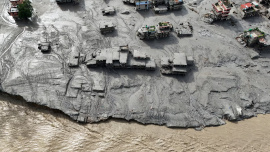
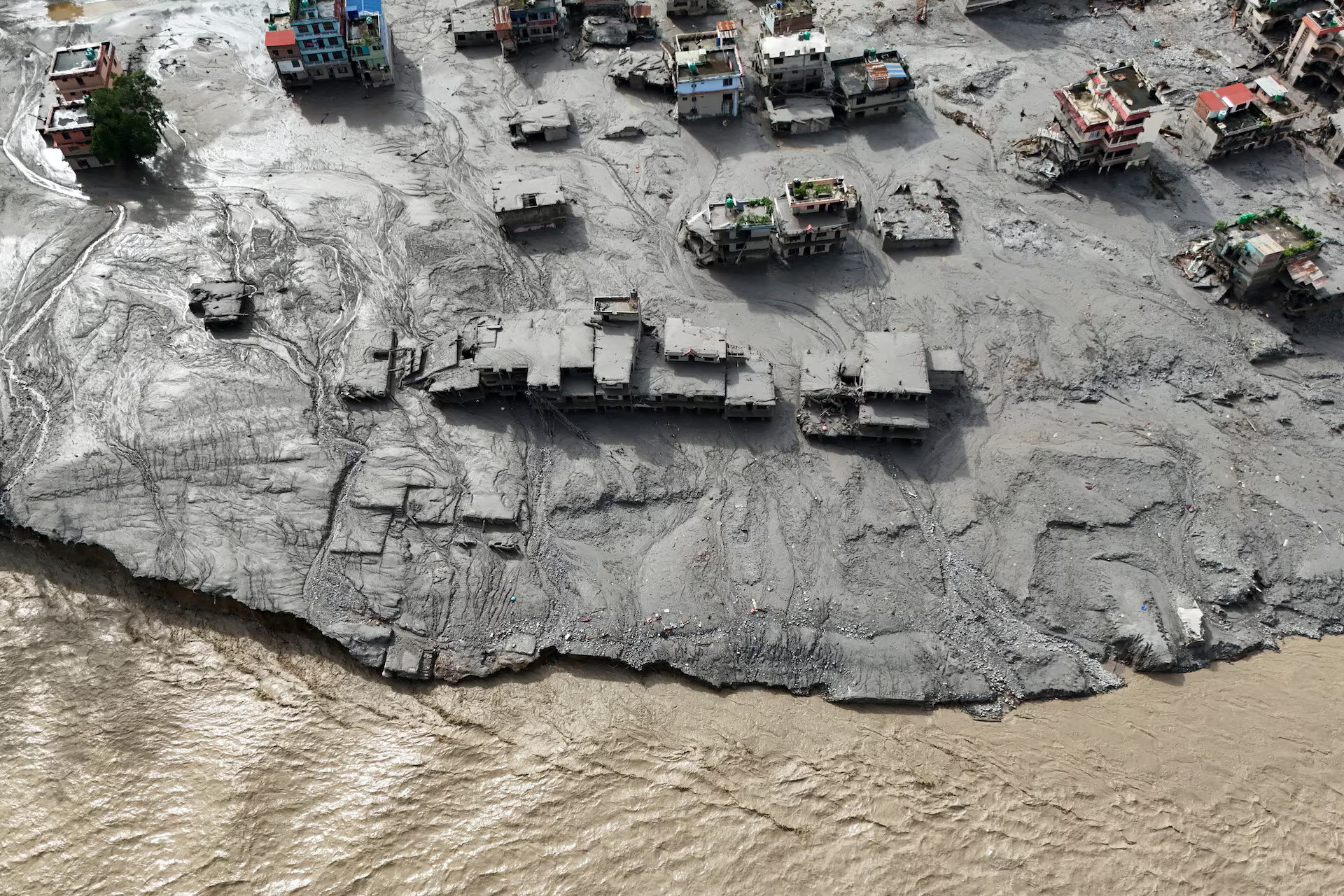
Those institutional weaknesses now face a far more immediate test. The flash floods and mudslides of August 26 struck with extraordinary force, and their effects are likely to reverberate across the country. The unprecedented scale of the disaster will inevitably test the government’s capacity to respond effectively, coordinate institutions and translate political promises into competent administration.
The recovery ahead is daunting. In the coming days and months, the government must support traumatised communities, rebuild destroyed infrastructure, restore livelihoods and social cohesion, revive a shaken economy, maintain public security, get the vital tourism sector functioning again and fully reopen critical border crossings.
Experts argue that Nepal’s national disaster risk management strategy needs to be rebuilt around three principles: stronger community participation, more efficient use of local resources and decisions grounded in scientific evidence rather than improvisation. None of these measures can succeed without effective coordination across all three tiers of government—federal, provincial and local—to address both the immediate and long-term needs of affected communities.
As the news cycle moves on and the cameras pack up, the difficult work of recovery is only beginning. For Balendra Shah’s government, so too is a larger reckoning: whether a new generation of political leaders can build the responsive and accountable state that Nepal’s youth took to the streets to demand.
Shradha Arjyal Joshi is a researcher and development professional focusing on political economy and diplomacy. She can be reached at shradharyal@gmail.com.
Send your articles for Slow Reads to slowreads@thedailystar.net. Check out our submission guidelines for details.

What Bangladesh should ask before joining the Makkah Pact

BRICS at 20: Why the New Delhi Summit matters to the Global South

From Balfour to sanctions: Why the UK’s ban on Israeli settlement trade matters

Ganges Water Treaty: A new bargain or a new dispute?

Bangladesh and the Mecca Pact: The national security questions we are missing
From Chinese fighter jets to the Mecca Pact: Bangladesh’s strategic future?

Is Bangladesh the next base for Chinese scam networks?

The politics of fear: From Gaza's paper kites to ‘unsafe’ on campuses

Shanghai Cooperation Organisation at 25: Can China, India and Russia really speak with one voice?