


Life is, indeed, strange.
Platform: PC
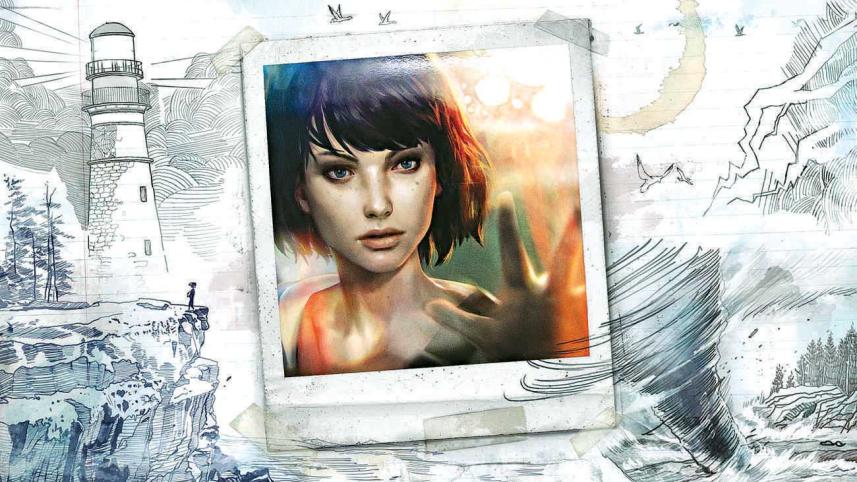
Revolving around the life of troubled teen Max, Square Enix's Life is Strange is a five-episode decision-based game, offering stunning story-telling elements, detail oriented visuals, and an eclectic soundtrack that tie the game together brilliantly. Episodic games fly under the radar of most gamers; however, the success of the Walking Dead series points towards a rising popularity of the genre.
Why were episodic games unpopular? The gameplay is restrictive and the games themselves offer very little in terms of satisfaction. Life is Strange solves this problem with the oldest play in the book: it hooks users with the story, and even though the restrictions are well evidenced, you'll still stick with the game just to find out what happens in the end.
Max is a scholarship student at the famed Blackwell Academy in Arcadia Bay, excited at the prospect of being a photography major. Despite the bullying and social castigation that comes along with being a scholarship student at an academy populated by the children of the rich and famous, Max takes the challenge head on, balancing it with her guilt at abandoning her best-friend Chloe some years before when she and her family moved to Seattle from Arcadia Bay. At the beginning of the game, Max worries that her chances of reconnecting with Chloe are slipping with each day she doesn't call her, but eventually, she's brought face to face with Chloe by random chance. While stumbling upon a confrontation between Chloe and a gun-toting fellow student of Max's, where Chloe eventually gets shot, Max discovers the power to turn back time. The rest of the game deals with Max's decisions at each point, and each decision has its own set of probable consequences, while the effects of messing with the past and the present makes everything go south pretty quickly.
The side-effects of time-turning was extensively explored in the movie The Butterfly Effect, and the game carries a similar theme. The decisions that you make in the game are neither bad nor good, but they are polarising in the ripple they create over the rest of the story. How your decisions affect the rest of the story over the remaining four episodes is going to be very interesting.
The graphics are impressive, landing the game squarely in the final cycle of last-gen shaders and rendering. It'll run on most mid-range graphics cards with medium settings. The use of bloom is excessive, so you get a warm, pleasant atmosphere that goes perfectly with the indie soundtracks. When the story kicks it up a gear, things become progressively gloomier. The contrasts are noticeably beautiful.
Feminist movements worldwide have been crying out for a while, demanding a strong female lead in a game to counter the hyper-sexualised brain dead hack-slashers of the past two decades. Max is their unikely hipster hero, partnered with the idealistic, tattoo covered and hair dyed Chloe. Theirs is a story that catapults them into the future of gaming: plot and character driven gameplay, beautiful settings, and unpredictable endings. This game will go a long way, and fans are touting it to be a contender for Game of the Year already, based on a single play-through of a single episode. Even if you aren't a fan of teen-angst stories or episodic games, give this one a try, it'll definitely surprise you with its depth.

 For all latest news, follow The Daily Star's Google News channel.
Comments