


HOW THE KIDS GOT FAT

While most of Bangladesh still struggles with malnutrition, obesity and weight related health issues are starting to become quite common among the urban youth. We tried to find out why this is happening; beyond the fact that they have a bigger calorie intake than outtake, we looked for the reasons that can best explain such behaviour.
It's difficult to put a finger on a specific set of reasons for a problem that affects so many, especially because in many cases, these reasons are personal. But after talking to a number of young individuals who identify themselves as "overweight", a common thread emerges that gives us some insight.

Kazim Ahmed studies Economics at BRAC University, and for him, gaining weight is down to sheer laziness more than anything. "Of course we love to eat, but then you have to burn off the extra calories as well. From personal experience, I think that's the main reason; lack of willingness to play sports or exercise regularly," he says.


There was a particular stage in Kazim's life when this started becoming a problem. "I gave up playing cricket. I used to eat a lot; it never became an issue as I burned off the extra calories by playing cricket regularly. This was maybe when I was 14/15. Due to increased pressure of studies, I couldn't continue cricket coaching. And eventually the time I used to go to cricket practice was replaced with academic coaching. This meant sitting lazily in class and then going out to eat. My eating habits still remained the same but the exercise was gone," he laments. Kazim believes his love of food has a lot to do with all this. "I'm an impulsive food consumer. If I'm walking by some food joint and even though I'm not hungry, I still end up buying food just because I got a craving."
A different set of reasons appeared when we talked to others, and Salman Rahman, a 16-year-old studying in Maple Leaf, blames stress-eating. "Food is like an addiction – an escape for some people. Some people eat to forget, they forget about their problems, think of the food and dream of the next meal they'll have," he says. "I eat whenever I'm anxious. It sort of helps me as a form of encouragement – at least that's what I think – to resume working."

Sumaita Islam Mayesha from Sunnydale School provides further explanation on the stress-eating angle. "Generally, I gain a lot of weight during exams. This means that whenever I get stressed, or whenever I'm under pressure, I eat. But the problem with that is, if I get into this cycle of over-eating, it becomes difficult for me to get back to my previous eating habits, where I'm very conscious of the food I eat," she says. Sumaita also thinks the culture of sharing photos of your meals on social media doesn't help people like her who have somewhat of a love affair with food. "FoodBank notifications never help when you're trying to watch what you eat. I see a good post about food, I go ahead and try out the place, and the food is invariably greasy with extra cheese and what not," she adds.
What makes people indulge in over-eating is a question with many answers, but these answers mostly have something to do with stress and/or love for food. What can further explain the uncontrolled gaining of weight is the fact that young people don't have access to sports/physical exercise nearly as much as they should, to burn off those extra calories. It's not fair to say that youngsters who want to work out aren't able to, but someone who's gaining weight because of study
related stress won't find the time to work out.
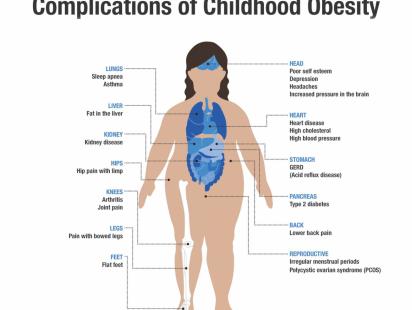
When someone is forced to make the choice between a healthy lifestyle, and digging themselves a deeper hole of increased study-load, which later leads to over-eating, it's difficult to choose the former because the latter is often forced upon. In many cases, there remains a distinct lack of encouragement to exercise from both teachers and parents, which causes a huge problem. Study hours being the priority, we don't really have a culture that promotes playing sports/exercising to stay healthy. There's the ever-present threat of obsession with electronic devices, and indoor gaming opportunities have replaced outdoor games for generations or urbanites, where many kids choose to stay home than go out.
Another reason why most people in Dhaka, especially young individuals, can't focus on the idea of a healthy food habit is the lack of proper recreation. For most young people, the idea of a hangout is where one would be able to find the most affordable yet delicious food. Fast food, e.g., double patty double cheese burgers with numerous add-ons – coming with a lot of amazing offers provided by the restaurants targeting teenagers – obviously doesn't make following a proper, healthy diet any easier.

Moreover, exploring restaurants has become somewhat of a trend these days. When someone checks into an exciting new place and posts about that on social media, their friends feel compelled to follow suit. For youngsters, the places they can afford are not ones with exciting new cuisines or even ones that serve food that's easy on the consumers' health. Cheap food usually comes at a price: your well-being.
If we look at our food industry today, the most aggressively marketed foods are highly processed. These are the sort of things which taste absolutely delicious, but not only are they unhealthy and likely to make one fat, it's a fair bet to say that they might be too "advanced" for our bodies. The more we move away from how food is found in nature, the more it leaves our body to do in terms of digestion. If and when we go too far, and our bodies do not manage to keep up, obesity is only one of the likely outcomes.
Names have been changed at the request of the individuals interviewed.
 For all latest news, follow The Daily Star's Google News channel.


Comments