


JRP 2023: Bangladesh, int'l partners seek $876m for Rohingyas
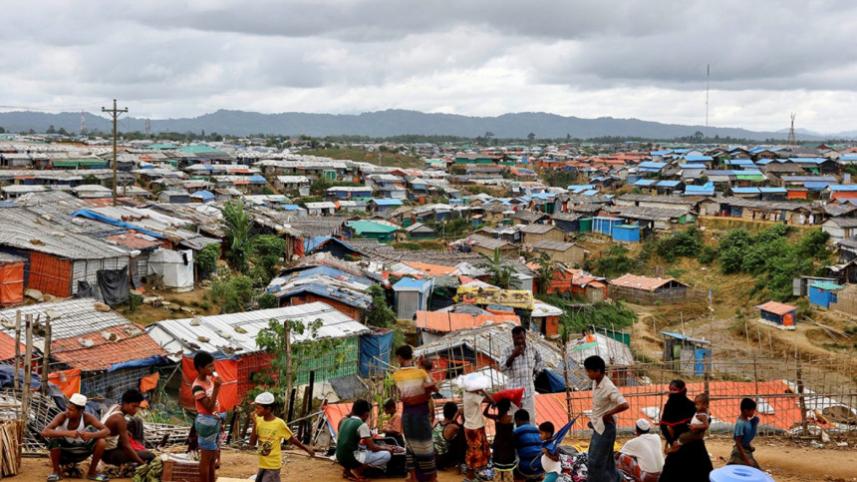
Bangladesh and its international partners have launched the annual Joint Response Plan for Rohingya humanitarian crisis in Geneva today, calling for $876 million to reach 1.47 million people.
The Joint Response Plan launched under the leadership of Bangladesh authorities brings together 116 partners, nearly half of them national organisations from Bangladesh.

State Minister for Foreign Affairs Shahriar Alam led the Bangladesh delegation in the launching event organised by the UN.
The plan aims to help some 978,000 Rohingyas in Cox's Bazar and on the island of Bhasan Char, and 495,000 Bangladeshis in neighbouring communities, with food, shelter, health care, access to drinkable water, protection services, education, as well as livelihood opportunities and skills development.
UNHCR, the UN Refugee Agency, and partners are calling on the international community to redouble efforts for sustained financial support and solutions for Rohingya refugees and the Bangladeshi communities that are hosting them as the dire situation enters its sixth year.
In a statement yesterday, UNHCR said every day, the nearly one million Rohingya women, children and men that fled from violence and persecution in Myanmar for Bangladesh wake up in a chilling fog of uncertainty about their futures.
"They are desperate to return to their homes in Myanmar, which are currently out of reach, and instead live in extremely overcrowded, and sometimes dangerous conditions in refugee camps, relying almost entirely on humanitarian assistance for their survival."
While the situation has become protracted, the needs of refugees remain urgent. Women and children, who make up more than 75 percent of the targeted refugee population, face higher risks of abuse, exploitation, and gender-based violence. More than half of the refugees in the camps are under 18, their futures on hold.
Since the onset of this humanitarian crisis in 2017, the Bangladesh government and local communities, with aid agencies, have responded quickly to arriving refugees in what remains the world's largest refugee camp.
"However, as global displacement continues to rise, so does the risk that the needs of Rohingya refugees and surrounding host communities will be forgotten."
With decreased funding, refugees face even more challenges in their daily lives in terms of proper nutrition, shelter materials, sanitation facilities and livelihood opportunities, UNHCR said.
The lack of funds has already forced the World Food Programme to cut its lifesaving food assistance to all Rohingya living in the camps; despite concerted humanitarian efforts, 45 percent of Rohingya families are not eating a sufficiently healthy diet and malnutrition is widespread."These ration cuts are likely to result in higher malnutrition rates, deteriorating health, school dropouts, increased incidents of child marriage, child labour and gender-based violence."
 For all latest news, follow The Daily Star's Google News channel.
Comments