


Trigger Warnings: Explained
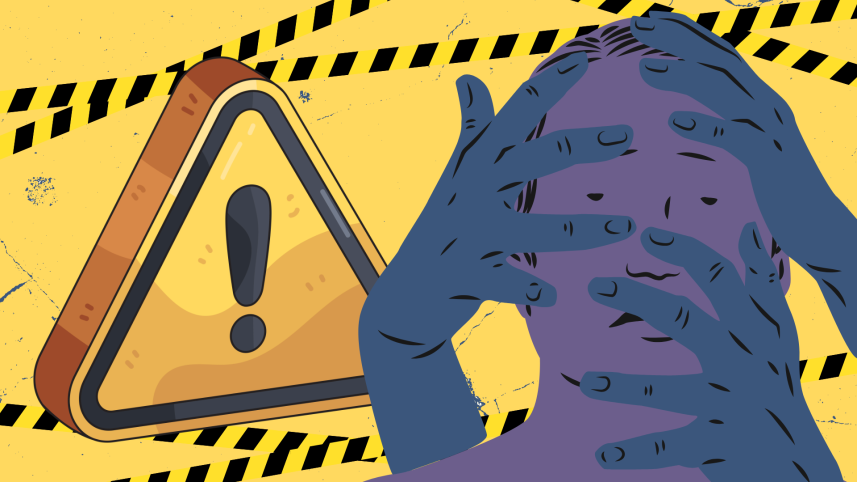
Sticks and stones may break bones, but words can inflict just as much pain. That is exactly why trigger warnings exist, though oddly, not everyone seems to understand them or even think that they are necessary.
So why do we need trigger warnings? Is the internet getting too "soft"?

A trigger warning is basically a simple notice before something that could cause someone distress. It's as simple as including one sentence about the content before the caption or on the image. For topics such as sexual assault, domestic abuse, animal cruelty or violence, it's essential to treat distressing content with the sensitivity it requires.
Yet despite how straightforward this seems, most media outlets and social media platforms rarely use them. You might scroll through your feed and unexpectedly see an unfiltered video of animal abuse or read a headline about a violent assault with no warning beforehand. Nowadays, it's more common to scroll and find pictures and videos generated with artificial intelligence (AI) to display news of assault and death.
In those moments, the person on the other end is left to deal with the shock, panic, or resurfacing memories entirely on their own. And for some people, that shock can spiral into flashbacks, anxiety, serious panic attacks and post-traumatic stress disorder (PTSD).
Trauma is personal. Two people can experience the same event, and one might develop lasting triggers while the other feels fine. That's why common arguments about whether "everyone" needs trigger warnings miss the point. The point is, some people do, and it's such a small thing to provide for them.
We already accept age ratings for films, content warnings for strong language, and awareness for smoking, which are all important, yet why is this the one-line people refuse to cross? A short notice, like a trigger warning, might save people from prolonged periods of grief.
It's also important to remember that being "triggered" has a very specific meaning. It's not the same as being mildly offended or just not liking something. In psychology, triggers are stimuli that elicit a reaction, often bringing on or worsening symptoms related to mental illness or past trauma. They can be external, such as sights, sounds, smells, or textures that remind someone of a past experience, or internal, such as strong feelings that arise based on previous negative or traumatic experiences. This reaction can include anxiety attacks, flashbacks, dissociation, and symptoms of PTSD.
For example, a survivor of domestic violence might see a scene in a skit or reel that mirrors their own experience and suddenly feel as if they are back in that moment, traumatised and suffering all over again.
Unfortunately, the term "triggered" has been thrown around so casually online that its meaning has been diluted. It has become a punchline in memes or a way to mock someone for reacting strongly to something. And while the people making those jokes probably think they're harmless, they're actually trivialising something that can completely disrupt someone's day, week, or month. It makes it harder for people with real trauma to speak up because they don't want to be laughed at and not taken seriously.
However, trigger warnings do not aim to eliminate all potentially upsetting content from the world. Let's be real, it would be impossible. These warnings are just about respect: acknowledging that some topics hit harder for certain people and giving those people a moment to brace themselves. A single sentence at the start of a piece of media costs almost nothing to include, but it can make the difference between someone feeling safe enough to engage and someone being pushed into a panic attack.
Being triggered is a clinical reality, not an internet meme, and trigger warnings are not about coddling anyone. They are the bare minimum acknowledging mental health and its effect from certain content. The fact that so many remain unaware is a sign that we still have a long way to go regarding mental health awareness.
Tinath Zaeba is an optimistic daydreamer, a cat mom of 5 and a student of Economics at North South University. Get in touch via mailing to tinathzaeba25@gmail.com
 For all latest news, follow The Daily Star's Google News channel.
Comments