


For a stronger passport, we need stronger mobility infrastructure

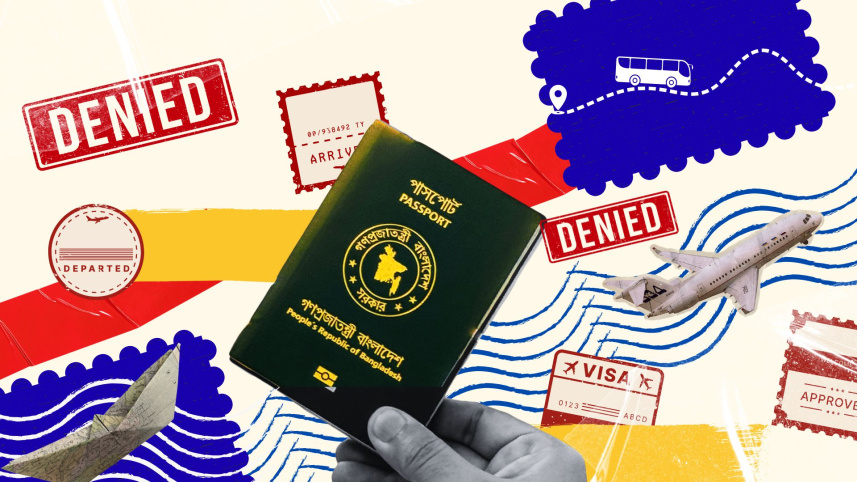
To obtain a visa for some foreign countries, a traveller from Bangladesh may have to spend weeks trying to obtain bank statements, tax records, employer letters, invitations, proof of family ties, and an explanation of why they will return. By the time the file reaches a consulate, the trip becomes an argument about credibility. In my work, I regularly see people struggle with this. Some need to attend a trade fair, some have university admission. Others are travelling for medical care, professional training or a family event. Their purposes differ, but the question is often the same: will the system believe them?
For holders of stronger passports, overseas travel is mostly logistical. For Bangladeshis, it is also evidentiary, and that difference can decide whether an exporter meets a buyer, a researcher joins a conference, a student begins a semester on time, or a parent attends a child’s graduation. This reveals a gap in Bangladesh’s national mobility infrastructure.

The country’s dependence on cross-border movement is enormous. An International Organization for Migration (IOM) analysis based on Bangladesh Bank and Bureau of Manpower, Employment and Training (BMET) data says remittance inflows reached a record $32.8 billion in 2025. Yet the support for outward mobility remains fragmented. According to the latest Henley Passport Index, Bangladesh ranks 97th, tied with North Korea, and its passport provides visa-free access to only 35 destinations. The ranking is not a complete account of a country’s place in the world, but it shows the friction its citizens face when travelling overseas.
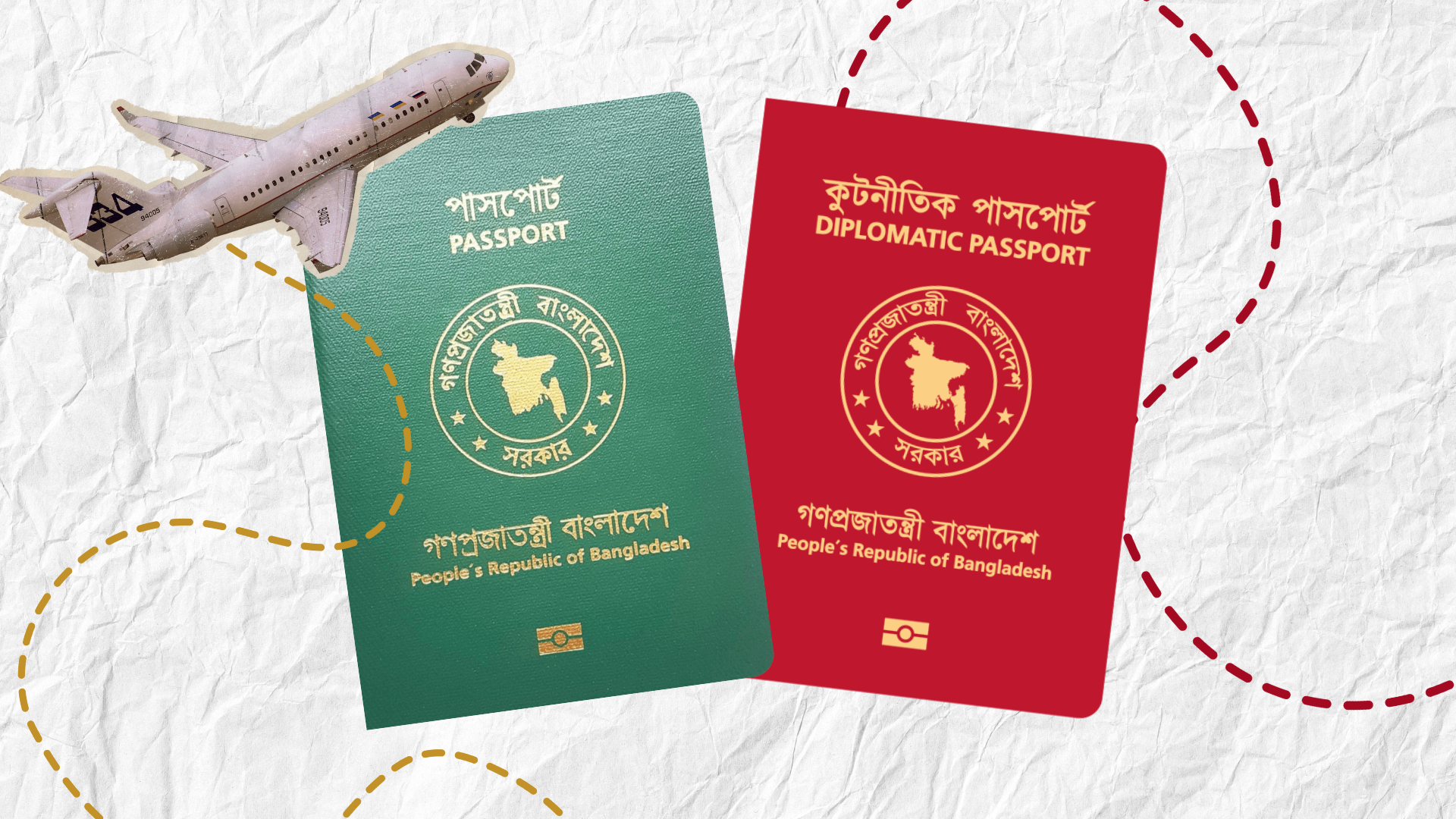
The European Commission’s 2025 Schengen visa statistics highlight the severity of this issue. Of the 38,642 short-stay visa applications processed by consulates in Bangladesh, 20,918 were rejected. This translates to a staggering refusal rate of 54.5 percent for Bangladeshi applicants, a sharp contrast to the global average rejection rate of just 14.6 percent. When non-issuance becomes this common, it is a system warning. The cost appears in missed trade fairs, training opportunities, academic intakes and family milestones.
The first major issue is a lack of accessible mobility data. Because no public institution reports on common documentation failures, appointment delays, or the performance of various travel routes, citizens are left completely dependent on unverified anecdotes and informal brokers. To solve this, a small mobility observatory could aggregate and publish anonymised data from key institutions and travellers. Without needing access to private case files, its only job would be to pinpoint recurring visa failures and help authorities fix them.
The second major issue is document integrity. A strong visa application relies on clear, verifiable claims rather than a thick stack of paperwork. By establishing standardised verification channels across employers, banks, and universities, institutions can easily support genuine applicants while effectively blocking fraud. The advisory market also needs accountability. Anyone handling a high-stakes mobility case should not be able to promise a “guaranteed visa,” manufacture evidence, or disappear after a refusal without consequence. Registration, enforceable conduct rules and a complaint mechanism would make the market less hospitable to deception.
Third, Bangladesh should pursue trusted pathways rather than measuring progress only through occasional visa-free announcements. Regular worker routes, student arrangements, verified business-travel programmes and recognition of digital credentials can reduce uncertainty. The European Commission’s Talent Partnership with Bangladesh already shows that negotiated, lawful mobility corridors are possible.
The final issue is fragmented oversight. Because responsibility is currently scattered across multiple ministries, no single body sees the whole picture. A permanent inter-ministerial unit would solve this by centralising data coordination, document verification, and negotiations with foreign partners.
None of this means foreign governments should suspend their rules. Nor will better documents automatically produce approvals. Visa decisions also reflect politics, labour-market conditions, security concerns and consular capacity in destination countries. Bangladesh cannot control those forces. It can stop adding avoidable weakness to an already unequal process.
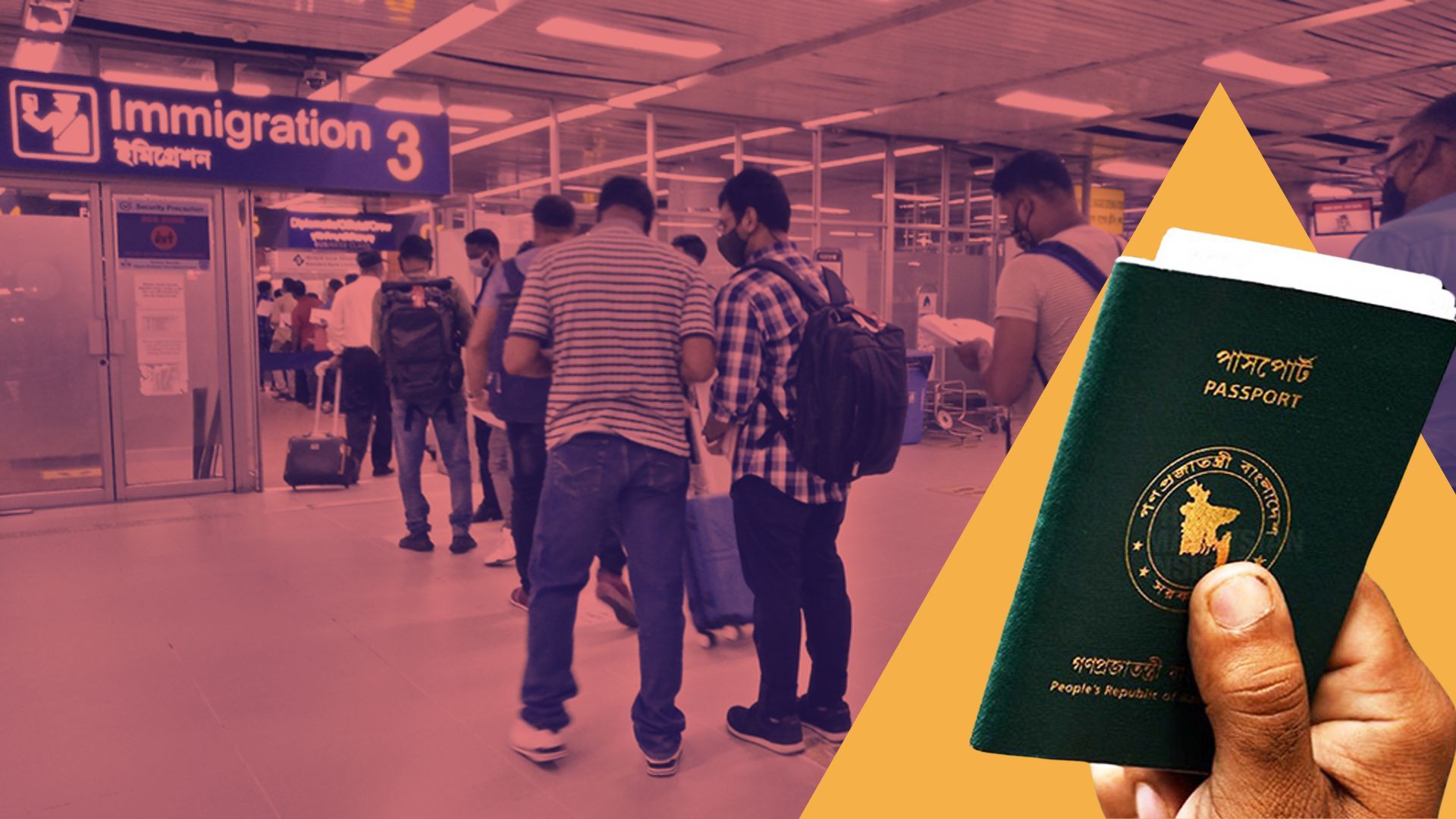
There is an ethical dimension of responsibility. Applicants carry it when they submit honest evidence. Advisers carry it when they reject false promises. The state carries it when it builds lawful routes through which citizens can move without exploitation or needless humiliation. Bangladeshis are not asking for special treatment. They are asking for a fair chance to be assessed through credible systems.
We have spent decades learning that roads, ports and payment networks shape economic opportunity. Mobility deserves the same seriousness. A passport carries the name of the country that issued it. What matters is the reputation of travelling with that name. If reputation is infrastructure, Bangladesh has not built enough of it yet.
Nazmus Sadat is mobility strategist at Travel Router, a global mobility advisory firm.
Views expressed in this article are the author's own.
Follow The Daily Star Opinion on Facebook for the latest opinions, commentaries and analyses by experts and professionals. To contribute your article or letter to The Daily Star Opinion, see our guidelines for submission.
 For all latest news, follow The Daily Star's Google News channel.
Comments