


Nirmal Purja: How to remember a legend accused but never convicted

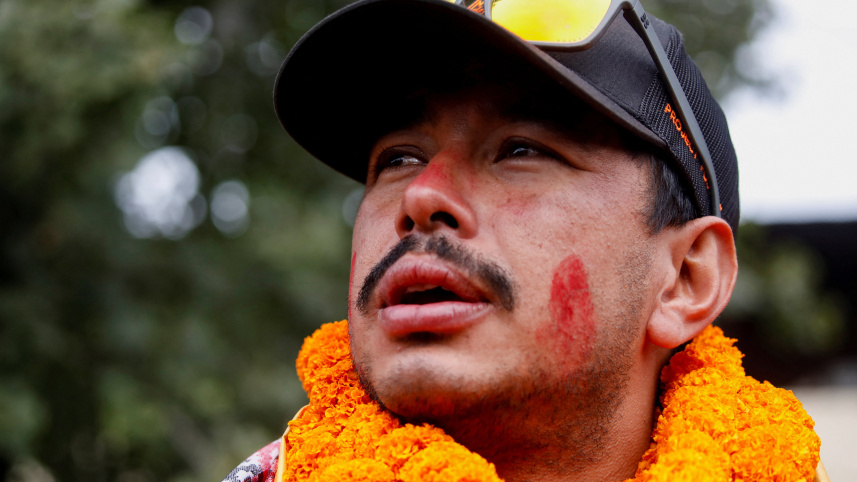
When a controversial legend dies, journalism confronts one of its most difficult ethical questions: how do we honour someone whose achievements transformed their field, while remaining honest about allegations that complicated their public legacy? The challenge is even greater when those allegations were never tested in court, the accused died maintaining his innocence, and the accusers never withdrew their accounts. The recent death of Nepali mountaineer Nirmal "Nimsdai" Purja exemplifies this dilemma.
Before becoming a mountaineering legend, Purja served in the British Army with the Brigade of Gurkhas and later in the Special Boat Service, the special forces unit of the Royal Navy. He died on July 30, 2026 after an avalanche struck a team of climbers he was leading on Pakistan's Broad Peak mountain. He was 43. His company, Elite Exped, confirmed his passing, expressing "profound sadness and immense heartbreak." In fact, all 10 members of the expedition were later confirmed dead, including Omani climber Nadhira Al Harthy, US climber Sarah Mallory Geis, and Nepali climber Pur Bahadur "Yukta" Gurung.

Tributes followed within hours, and understandably so. In 2019, Purja summited all 14 of the world's 8,000-metre peaks in six months and six days, breaking a previous record that had stood for decades and spanned nearly eight years. The feat, later chronicled in the Netflix documentary 14 Peaks: Nothing Is Impossible, turned Purja into one of the most recognisable mountaineers alive. It also put a Nepali climber, rather than the Western clients whom Nepalis have been helping up the mountain for decades, at the centre of the story. His later leadership of the first wintertime ascent of K2 reinforced the shift.
Nepal, and the mountaineering community worldwide, is mourning him as a hero. But most of the obituaries praise his feats in climbing while skipping past a chapter that, only two years ago, made international headlines: allegations that Purja had sexually assaulted two women.
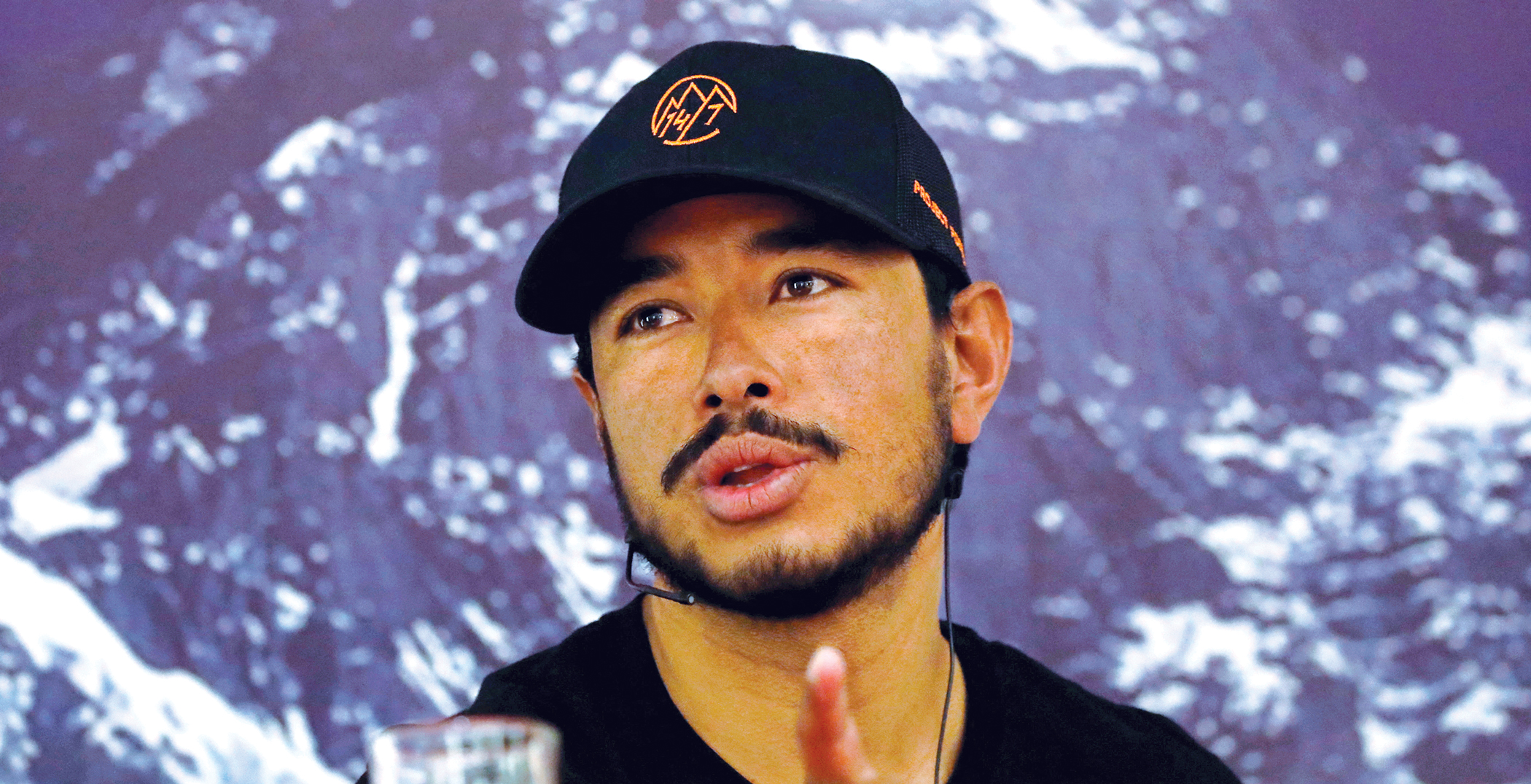
In May 2024, The New York Times reported that Finnish climber and former Miss Finland Lotta Hintsa and US physician Dr April Leonardo had gone on the record describing separate incidents of sexual misconduct. Hintsa said that during what she understood to be a business meeting at a Kathmandu hotel in March 2023, Purja had led her into the bedroom, removed her clothing against her repeated objections, and ended up masturbating beside her. She had alluded to the episode, without naming him, in a memoir published a few months earlier.
Leonardo, who had joined one of Purja's K2 expeditions as a paying client, said he had kissed her without consent on more than one occasion and made multiple unwanted sexual advances during the climb.
Purja denied everything. Through his lawyer, he called the claims "false and defamatory" and later posted his own detailed account challenging the women's timeline. No criminal charge followed, so there was no trial, no conviction and, contrary to how some coverage has loosely put it since his death, no acquittal either—acquittal presupposes a trial that never took place.
What can be said with precision is this: the allegations were never adjudicated, Purja maintained his denial until he died, and neither Hintsa nor Leonardo withdrew their respective accounts. This indicates that the issues were unresolved, not settled. And unresolved disputes do not disappear simply because one party is no longer alive to keep contesting them.
Newsrooms have faced similar challenges before, and not so long ago. When US basketball player Kobe Bryant died in a 2020 helicopter crash, The Washington Post reporter Felicia Sonmez shared a link to an old article about the sexual assault allegation Bryant faced in 2003, a case that ended when the accuser declined to testify and Bryant later settled a related civil suit. Sonmez was faced with abuse and, briefly, suspended by her own paper before a newsroom backlash reversed the decision. Her defence of the tweet was simple: a public figure deserves to be remembered in full, even when that means recalling uncomfortable incidents.
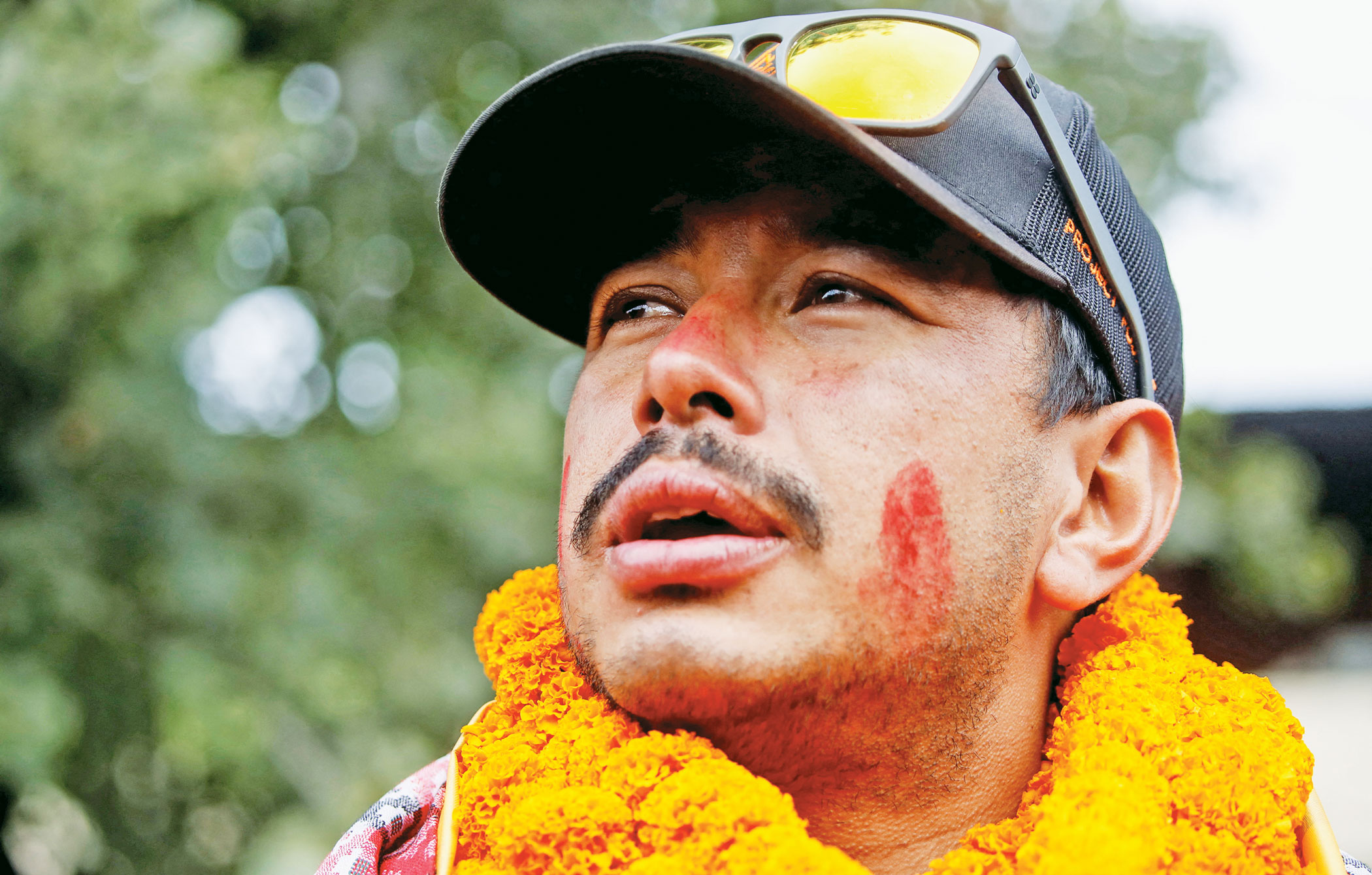
The parallel to Purja is not exact: Bryant faced a criminal charge that was dropped, while Purja was never charged. But the underlying dilemma is the same, one that newsrooms handled poorly in Bryant’s case by trying to suppress the discomfort.
There is an old newsroom axiom, often attributed to former The Washington Post publisher Philip Graham, that journalism is "the first rough draft of history." Drafts are revised, but only if the first version was honest enough to leave something worth revising. An obituary that omits a contested but well-documented chapter of a person's public life is not a draft, but rather a version of events that imposes an untimely conclusion to the dispute.
The allegations are not proven, and a responsible account of Purja’s life should report so plainly. But treating the allegations as though they never existed is its own kind of verdict. Purja's achievements as a mountaineer and his significance for Nepali climbing are not in question. What is in question—genuinely, unresolved, still—is how he treated two women who say he assaulted them, and that question should not be retired simply because he died.
Nirmal Purja deserves to be remembered as one of the finest high-altitude climbers of his generation. He also deserves to be remembered accurately, as a man whose public legacy included serious allegations he consistently denied but which were never tested in court. Leaving these details out neither protects his memory nor makes his legacy an honest one.
Jannatul Naym Pieal is a writer, researcher, and journalist. He can be reached at jn.pieal@gmail.com.
Views expressed in this article are the author's own.
Follow The Daily Star Opinion on Facebook for the latest opinions, commentaries, and analyses by experts and professionals. To contribute your article or letter to The Daily Star Opinion, see our guidelines for submission.
 For all latest news, follow The Daily Star's Google News channel.
Comments