


Building trust in vaccines starts with stronger regulation

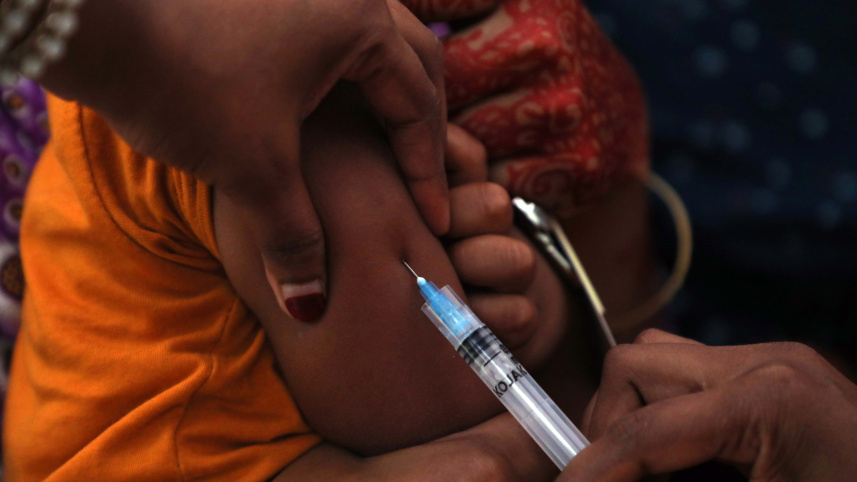
When a mother brings her child for vaccination, she rarely thinks about the science behind the vial of vaccine or the regulatory checks completed long before that moment. She trusts that the vaccine is safe and will protect her child.
That trust underpins public health. Every day, millions of people across Bangladesh rely on medicines and vaccines without seeing the system that ensures they are safe, effective and of assured quality. At the heart of that system is the Directorate General of Drug Administration (DGDA), Bangladesh’s national regulatory authority (NRA) for drugs.

The DGDA—and with it, Bangladesh—is now on the threshold of a critical milestone: achieving World Health Organization (WHO) Maturity Level 3 (ML3) for vaccine regulation. ML3 is an internationally recognised benchmark demonstrating that a regulatory system is stable, well-functioning and capable of consistently protecting public health. Only a select group of NRAs worldwide have attained ML3 or the higher Maturity Level 4, with some also recognised as WHO-listed authorities for specific regulatory functions.
In Bangladesh, health and wellbeing, the economy and overall health security stand to benefit from this certification. Countries with mature regulatory systems are better equipped to protect their populations from substandard and ineffective vaccines and other medical products. This strengthens patients’ and families’ confidence that the vaccines and medicines they receive meet internationally recognised standards of safety, quality and effectiveness, leading to better health outcomes and increased human and economic development.
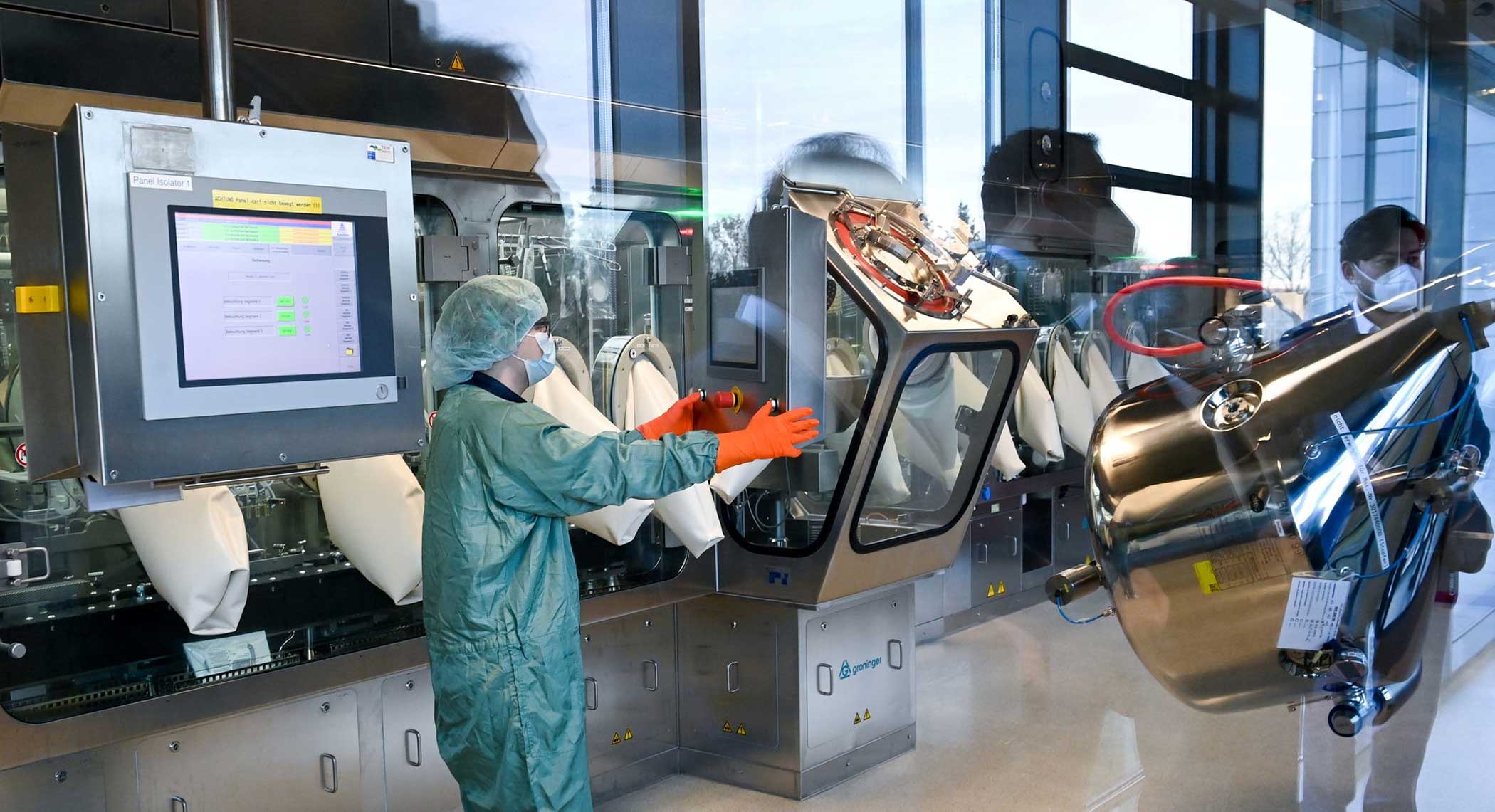
Effective regulation will also strengthen Bangladesh’s position in global health and life sciences markets, supporting economic diversification and long-term resilience. In 2025, Bangladesh spent approximately $120 million procuring vaccines from international suppliers, a figure that could rise to around $400 million by 2030 as routine immunisation expands and new vaccines are introduced. Developing the capacity to produce safe, quality-assured vaccines locally will help reduce these costs, which is especially important as Bangladesh prepares to graduate from Least Developed Country (LDC) status and transitions from LDC-related flexibilities in vaccine procurement.
For overall health security, a robust, well-regulated vaccine manufacturing sector will strengthen Bangladesh’s ability to ensure timely, reliable and equitable access to vaccines during public health emergencies. The Covid pandemic underscored the risks of relying on external vaccine supplies and the importance of combining strong regulatory systems with domestic manufacturing capacity.
While these gains are substantial, delays in achieving ML3 status will also constrain Bangladesh’s ability to realise the full health, economic and health security benefits that a mature regulatory system provides, and which the country is capable of unlocking.
Achieving ML3 for vaccine regulation would mark the successful completion of one journey and the beginning of the next. Since 2017, Bangladesh has strengthened its regulatory system by enacting the Drugs and Cosmetics Act 2023, updating regulatory procedures, strengthening inspection and laboratory capacity, and investing in workforce development.
This reflects a shared commitment across government, industry and development partners to strengthen oversight in the pharmaceutical sector, recognising that achieving ML3 for vaccine regulation will lay the foundation for extending the same regulatory maturity to essential medicines. In a country where around 98 percent of medicines consumed are produced locally, and where pharmaceutical manufacturers export to around 150 countries, this is especially important.
But the journey is not yet complete, and the achievement is not yet secured. To reach ML3 for vaccine regulation by 2027, five priorities stand out.
First, Bangladesh must maintain momentum in implementing the ML3 Roadmap and the DGDA’s Institutional Development Plan, ensuring that reforms are completed on schedule and deliver measurable results.
Second, the Drugs and Cosmetics Act 2023 must be fully operationalised through the timely approval and implementation of a series of key drug regulations, providing the regulatory framework needed to support a mature and effective system.
Third, the DGDA must be equipped with the people and structure required to deliver its mandate. This includes approving the revised organogram and filling critical human resource gaps.
Fourth, regulatory functions must be backed by adequate and sustainable financing. A high-performing regulatory authority depends not only on sound policies but also on the resources to implement them effectively.
Fifth, a high-level national task force should oversee implementation of the roadmap, coordinate action across ministries and agencies, and maintain momentum towards the 2027 target.
This journey is about more than a global benchmark. It is about strengthening public trust, supporting a world-class pharmaceutical sector, and strengthening health security. Above all, it is about ensuring that every mother who brings her child for vaccination can be confident that the vaccine is safe and will protect her child.
Dr Ahmed Jamsheed Mohamed is WHO representative in Bangladesh.
Views expressed in this article are the author's own.
 For all latest news, follow The Daily Star's Google News channel.
 Follow The Daily Star Opinion on Facebook for the latest opinions, commentaries, and analyses by experts and professionals. To contribute your article or letter to The Daily Star Opinion, see our guidelines for submission.
Comments