


Bangladesh must strategise carefully for the next Ganges treaty

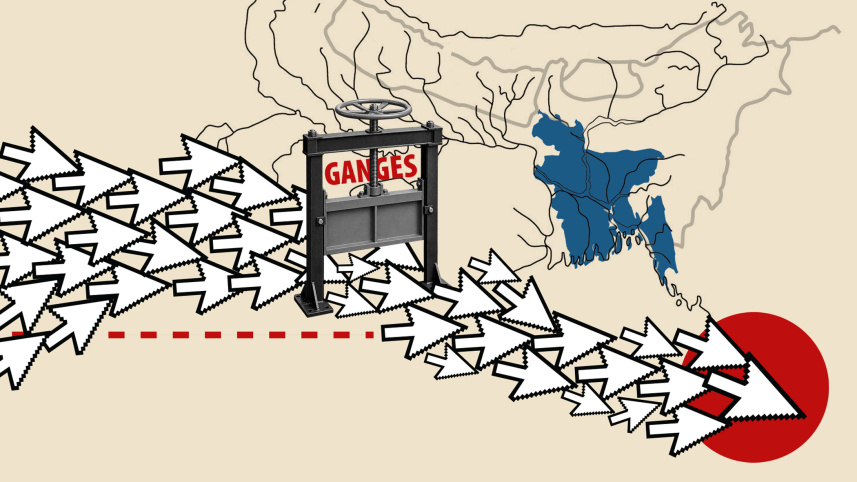
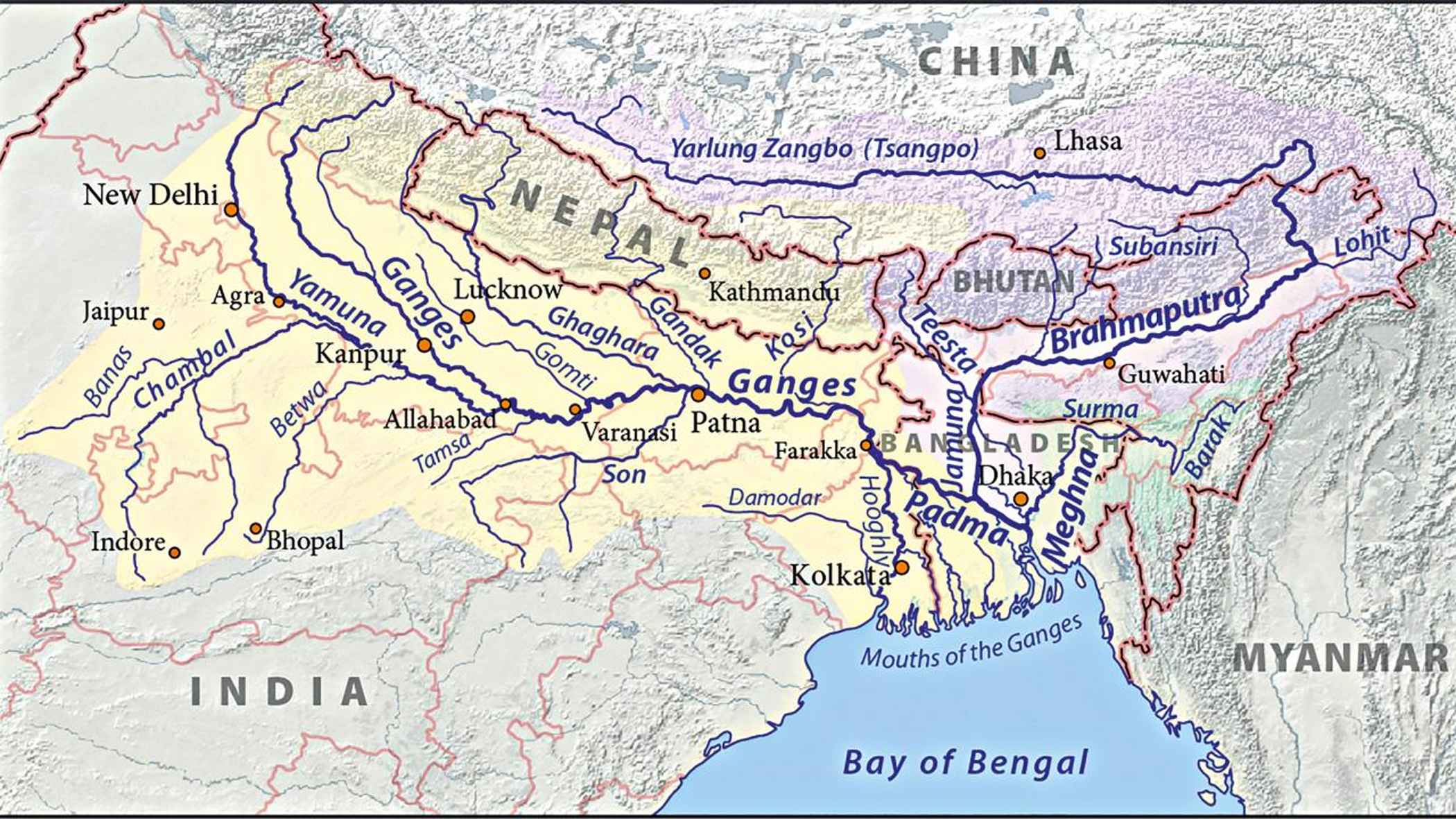
For three decades, the Ganges Water Sharing Treaty has been the principal framework governing the most consequential shared-river relationship between Bangladesh and India. The Ganges basin extends across about 37 percent of Bangladesh’s land area, supporting the livelihood of millions of people. Its 30-year term is now nearing an end. Bangladesh proposed talks on a new arrangement in June this year, but no date has been set for formal negotiations yet. India, meanwhile, has indicated that discussions on the Ganges will take place within the existing Joint Rivers Commission (JRC) framework. The treaty’s December expiry, therefore, presents a larger strategic challenge. The issue is no longer about the treaty’s renewal but whether Bangladesh is ready to negotiate an agreement that reflects the changing river, the country’s needs, and the realities of the relationship with India today.
The Ganges River has changed since the treaty was signed in 1996. The agreement at the time was a pragmatic solution, with a defined water-sharing formula, joint monitoring, emergency consultations, periodic review, and safeguards for critical low-flow periods. Its indicative water-sharing schedule considered flow patterns recorded at Farakka between 1949 and 1988. That historical baseline matters because the river system now faces greater uncertainty. Upstream water use, irrigation, groundwater depletion, and climate variability are making water availability during dry season less predictable. Human water use, particularly irrigation-driven groundwater depletion, can also reduce freshwater flow towards the Bay of Bengal.

The problem, however, is not the changing river only; the context for negotiation has changed as well. New Delhi must navigate interests of West Bengal and Bihar, alongside its bilateral position on the treaty. India’s parliamentary review records consultations with both these states. Recent pressure from Bihar has brought its concerns more directly into the renewal debate. This state-level interest can shape what New Delhi can realistically negotiate. For Bangladesh, this means understanding India’s formal position as well as the domestic constraints behind it.
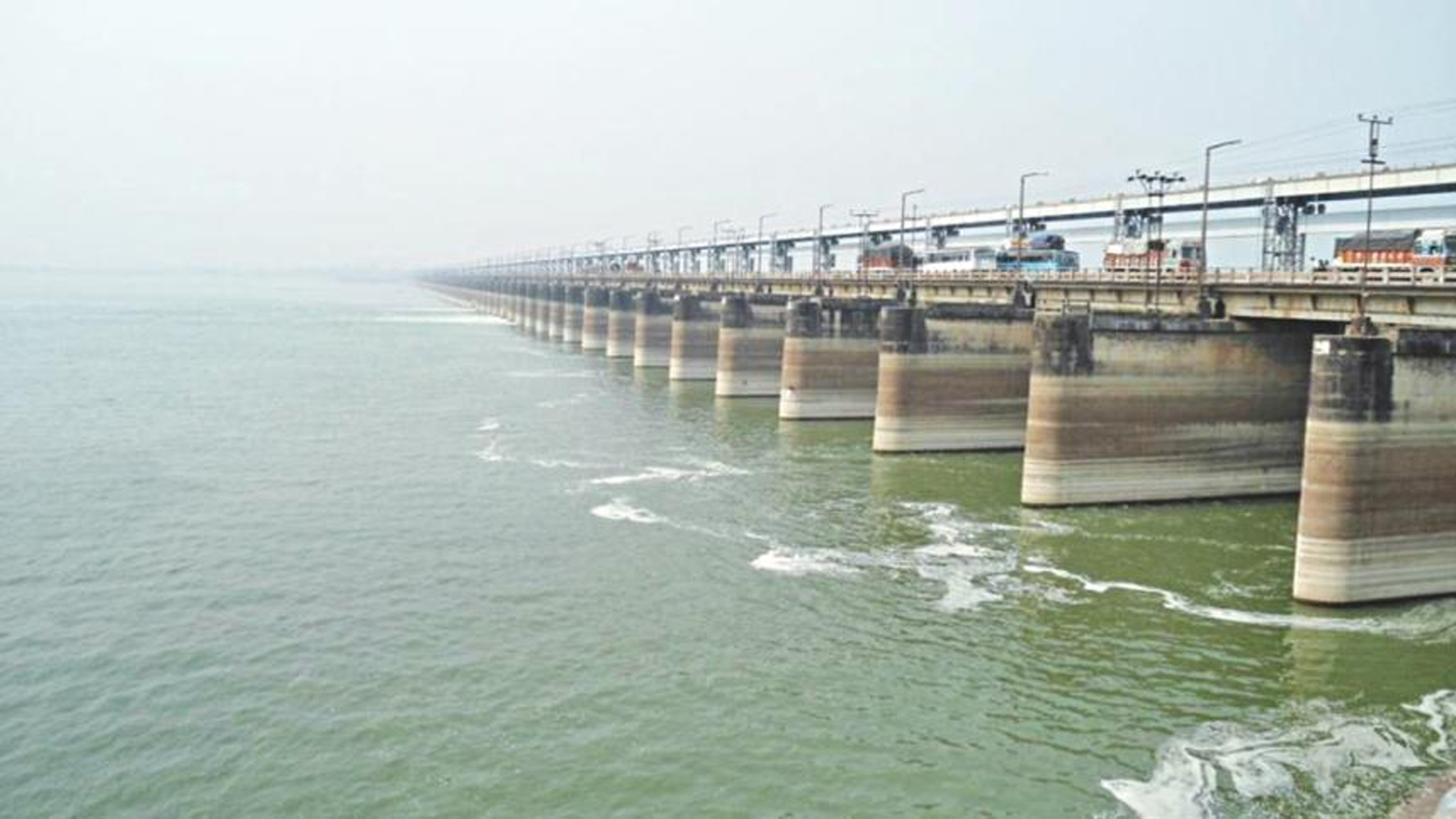
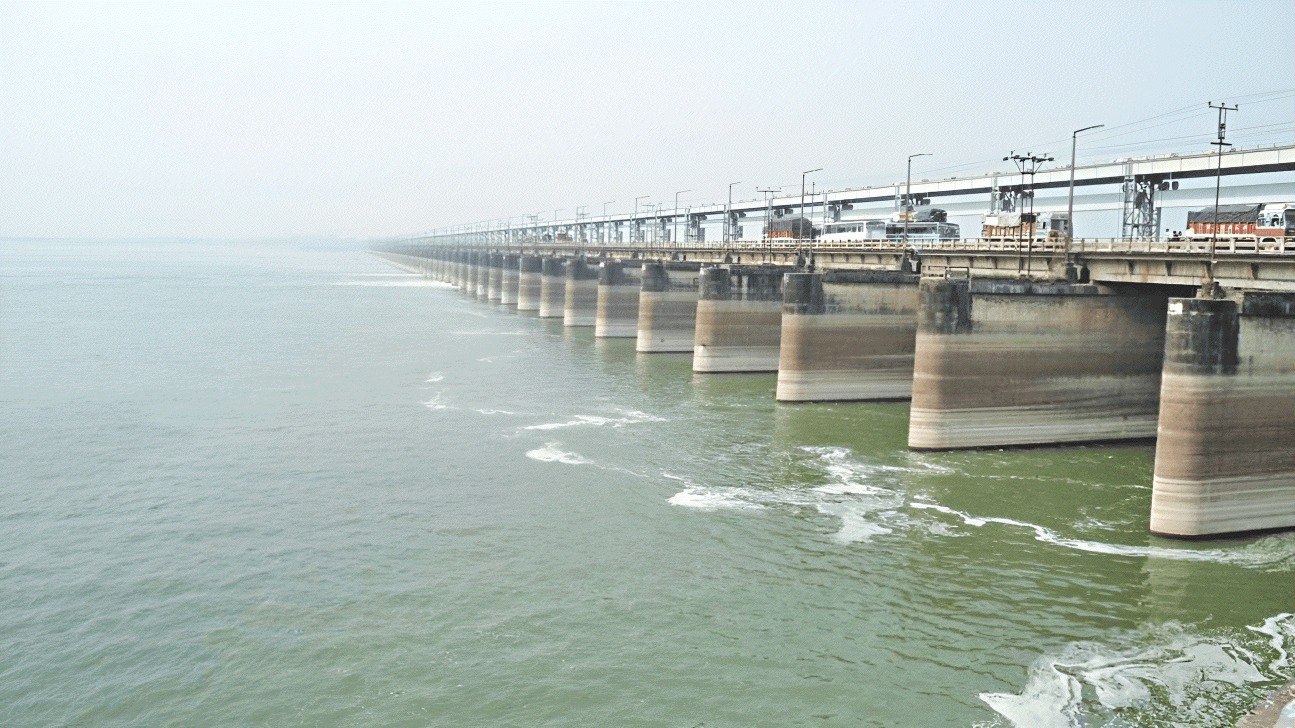
Bangladesh has taken some preparatory steps. It formed a 10-member technical committee in April, which has continued technical work through the existing Ganges treaty arrangements. In May, a joint Bangladesh-India team carried out its routine inspection and flow measurement work at Farakka and Hardinge Bridge. In September last year, Bangladesh signalled a preference for a longer-term treaty and more predictable flows. A reported 40,000-cusec target, against the treaty’s 35,000-cusec benchmark established in 1996, has entered the public debate, although its basis remains unclear. Dhaka has also proposed a new institutional mechanism covering 14 transboundary rivers, while New Delhi has suggested strengthening the existing JRC instead. These provide a foundation, but it is not yet clear whether they have been brought together into a coherent negotiating strategy.
However, a negotiating strategy requires more than preparatory activity. Targets such as 40,000 cusecs of river water need a clear basis. Is it a scientifically derived requirement, a preferred outcome, or a starting point for negotiation? What is the minimum Bangladesh can accept? Which parts of the position are negotiable, and what could Bangladesh offer in return? The same questions apply to the institutional arrangement. If the existing JRC is to remain the main framework, what needs to change within it? How quickly should the two sides respond during a drought, and how should disagreements be handled when political relations deteriorate? Experts have also called for economists, urban planners, sociologists, and environmental specialists to be part of the preparation. The task is to turn technical knowledge and institutional experience into a clear negotiating strategy.
This distinction matters because formal renewal negotiations have yet to begin. Bangladesh sent its proposal for talks in June and has since been waiting for India’s response. At the same time, routine technical cooperation has continued. This is an important advantage because Bangladesh is not starting from a breakdown in all channels of communication. However, routine technical cooperation is not a substitute for the political and diplomatic work of negotiation. A negotiating strategy needs to anticipate India’s likely objections, identify where compromise is possible, and establish what Bangladesh will do if its preferred outcome cannot be secured.
The wider state of Bangladesh-India relations makes the resilience of the water-sharing arrangement even more important. The two countries have gone through a difficult period, although both sides have recently spoken of a “fresh start” in bilateral relations. Water cooperation, nevertheless, has continued through the JRC and technical channels. The next treaty should be designed to keep essential water cooperation functioning when the wider relationship becomes difficult. Joint monitoring, data exchange, regular review and clear procedures for resolving differences are important to keep the treaty working, when political trust is under pressure.
The next agreement should also be designed not just to establish predictable dry season flows but to remain workable as hydrological conditions change. The 1996 treaty contains some of the foundations for this, including periodic review and emergency consultations, but the changing river may require a more adaptable framework. The UNECE guide for transboundary water cooperation similarly emphasises adaptable agreements, shared data, and effective institutions. The objective should not be just to settle the next allocation but to establish an arrangement that can continue to work as conditions change.
These challenges point to what the Ganges negotiation will require from Bangladesh, bringing its technical knowledge, institutional experience and diplomatic judgement together in an effective position for discussion. The country has a clear national interest in securing more predictable water flows, but the next agreement must also reflect what it has learnt about the river and the institutions needed to keep cooperation working through periods of political strain. That preparation needs to be complete before formal negotiations begin. Ultimately, what Bangladesh secures will depend on how well it has prepared to negotiate for it.
Muhammad Muktadirul Islam Khan is country researcher at Sustainability Action Learning Lab. He can be reached at muktadir@sustaiablitybd.org.
Views expressed in this article are the author's own.
Follow The Daily Star Opinion on Facebook for the latest opinions, commentaries, and analyses by experts and professionals. To contribute your article or letter to The Daily Star Opinion, see our guidelines for submission.
 For all latest news, follow The Daily Star's Google News channel.
Comments